From Deutsche Welle:
When musicians play, what is happening inside their brains? Scientists at Berlin's Max Planck Institute for Human Development have discovered that while performing together, their neurological activity goes into a kind of synchronization mode - almost as though they were connected by a wireless network.
Showing posts with label Neurology. Show all posts
Showing posts with label Neurology. Show all posts
Monday, April 22, 2013

Wednesday, April 10, 2013
Concussions 101, a Primer for Kids and Parents (video)
Dr. Mike has put together a few resources on concussions at http://www.myfavouritemedicine.com/2012/03/07/concussions/
Dr. Mike Evans is founder of the Health Design Lab at the Li Ka Shing Knowledge Institute, an Associate Professor of Family Medicine and Public Health at the University of Toronto, and a staff physician at St. Michael's Hospital.
http://twitter.com/docmikeevans
http://www.facebook.com/docmikeevans
Conceived, written, and presented by Dr. Mike Evans, Illustrated by Liisa Sorsa, Produced, directed, and filmed by Nick De Pencier, Picture and sound edit by David Schmidt, Gaffer, Martin Wojtunik, Whiteboard construction by James Vanderkleyn, Production assistant, Chris Niesing, ©2011 Michael Evans and Mercury Films Inc.
Friday, February 8, 2013
The Brain of a Murderer - Are You Good Or Evil? (BBC video)
Professor James Fallon from University of California, Irvine explains the beginnings of his work studying the brains of criminals and murders. Would his work prove the existence of a signature brain profile of a serial killer or are there other factors to consider?
Jim Fallon recently made a disquieting discovery: A member of his family has some of the biological traits of a psychopathic killer. "These results will cause some problems at the next family party," he said, reviewing the data on his laptop in his backyard. Fallon had already been studying the brains of psychopathic killers for years when his mother told him that he comes from a long line of murderers. Is he one of them?
After a PET scan, Professor Jim Fallon made a shocking discovery about his own brain - that he had the neurological and genetic correlates of psychopathy. However, he is not concerned by the findings and believes that his positive experiences in childhood negated the genetic susceptibility to violence and emotional issues.
References:
What's on Jim Fallon's Mind? A Family Secret That Has Been Murder to Figure Out - WSJ.com http://on.wsj.com/9CUbjG
A Neuroscientist Uncovers A Dark Secret - NPR http://n.pr/V2LMNl
Jim Fallon: Exploring the mind of a killer | Video on TED.com http://bit.ly/V2LNAI
Three Ingredients for Murder: Neuroscientist James Fallon on psychopaths - YouTube http://bit.ly/V2M2M9
Comments from Twitter:
Gia Sison MD @giasison: Wow To Watch! Great share Ves!!!!
Jim Fallon recently made a disquieting discovery: A member of his family has some of the biological traits of a psychopathic killer. "These results will cause some problems at the next family party," he said, reviewing the data on his laptop in his backyard. Fallon had already been studying the brains of psychopathic killers for years when his mother told him that he comes from a long line of murderers. Is he one of them?
After a PET scan, Professor Jim Fallon made a shocking discovery about his own brain - that he had the neurological and genetic correlates of psychopathy. However, he is not concerned by the findings and believes that his positive experiences in childhood negated the genetic susceptibility to violence and emotional issues.
References:
What's on Jim Fallon's Mind? A Family Secret That Has Been Murder to Figure Out - WSJ.com http://on.wsj.com/9CUbjG
A Neuroscientist Uncovers A Dark Secret - NPR http://n.pr/V2LMNl
Jim Fallon: Exploring the mind of a killer | Video on TED.com http://bit.ly/V2LNAI
Three Ingredients for Murder: Neuroscientist James Fallon on psychopaths - YouTube http://bit.ly/V2M2M9
Comments from Twitter:
Gia Sison MD @giasison: Wow To Watch! Great share Ves!!!!
Wednesday, February 6, 2013
Mild traumatic brain injury (MTBI)
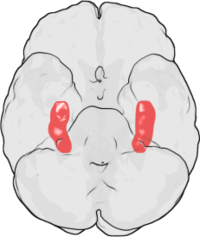 What is Mild traumatic brain injury (MTBI)?
Mild traumatic brain injury (MTBI) is commonly known as concussion. A universally accepted definition is lacking.
Mild traumatic brain injury and concussion are classified by:
- transient loss of consciousness
- amnesia
- altered mental status
- a Glasgow Coma Score of 13 to 15
- focal neurological deficits following an acute closed head injury
"Red flag' symptoms include: progression of physical, cognitive, and behavioral symptoms, seizure, progressive vomiting, and altered mental status.
What is the prognosis of mild traumatic brain injury (MTBI)?
Most patients recover quickly, within 1-2 weeks.
However, persistent symptoms may be noted in 5-20% of persons who have mild traumatic brain injury (MTBI):
- Physical symptoms include headaches, dizziness, and nausea, and changes in coordination, balance, appetite, sleep, vision, and hearing.
- Cognitive and behavioral symptoms include fatigue, anxiety, depression, and irritability, and problems with memory, concentration and decision making.
Who is at greatest risk after a mild traumatic brain injury (MTBI)?
Women, older adults, less educated persons, and those with a previous mental health diagnosis are more likely to have persistent symptoms.
Protecting the brain from concussion: $20-helmet is a good way to protect $100,000 education
Neuropsychologist Kim Gorgens makes the case for better protecting our brains against the risk of concussion -- with a compelling pitch for putting helmets on kids: A $20-helmet is a good way to protect $100,000 education. "Mind your (brain) matter."
References:
Subacute to chronic mild traumatic brain injury. Mott TF, McConnon ML, Rieger BP. Am Fam Physician. 2012 Dec 1;86(11):1045-51.
Image source: Hippocampus, from Wikipedia, public domain.
Thursday, December 6, 2012
Bell's palsy - NHS video
Bell’s palsy is the abrupt paralysis of the facial nerve (cranial nerve 7, CN7), resulting in an inability to control facial muscles on the affected side. A common condition, Bell’s palsy has an annual incidence of 11-40 cases per 100 ,000 population. Many patients recover without intervention; however, up to 30% have poor recovery of facial muscle control and experience facial disfigurement, psychological trauma, and facial pain.
From the NHS Choices YouTube channel: Bell's palsy is the temporary weakness or paralysis of the muscles in one side of the face. In this video, a speech therapist explains who is most at risk and describes common causes and treatment options available. Helen explains how she dealt with the condition and recovered from it:
Remember:
U MN damage
U pper face is OK (the patient is able to wrinkle his forehead)
LMN damage = patient is unable to wrinkle his forehead (our patient)
The examination of CN 7 palsy can be remembered by the mnemonic COWS:
C lose your eyes
O pen (the examining physician tries to open the patient's eyes)
W rinkle your forehead
S mile
Two main types of pharmacological treatment have been used to improve outcomes from Bell’s palsy:
- steroids
- antivirals.
The rationale for these treatments is based on the presumed pathophysiology of Bell’s palsy, namely inflammation and viral infection.
In a 2009 study published in the BMJ antivirals did not provide an added benefit in achieving at least partial facial muscle recovery compared with steroids alone in patients with Bell’s palsy.
References:
The benefits of steroids versus steroids plus antivirals for treatment of Bell’s palsy: a meta-analysis | BMJ http://bit.ly/YD3iLG
From the NHS Choices YouTube channel: Bell's palsy is the temporary weakness or paralysis of the muscles in one side of the face. In this video, a speech therapist explains who is most at risk and describes common causes and treatment options available. Helen explains how she dealt with the condition and recovered from it:
Remember:
U MN damage
U pper face is OK (the patient is able to wrinkle his forehead)
LMN damage = patient is unable to wrinkle his forehead (our patient)
The examination of CN 7 palsy can be remembered by the mnemonic COWS:
C lose your eyes
O pen (the examining physician tries to open the patient's eyes)
W rinkle your forehead
S mile
Two main types of pharmacological treatment have been used to improve outcomes from Bell’s palsy:
- steroids
- antivirals.
The rationale for these treatments is based on the presumed pathophysiology of Bell’s palsy, namely inflammation and viral infection.
In a 2009 study published in the BMJ antivirals did not provide an added benefit in achieving at least partial facial muscle recovery compared with steroids alone in patients with Bell’s palsy.
References:
The benefits of steroids versus steroids plus antivirals for treatment of Bell’s palsy: a meta-analysis | BMJ http://bit.ly/YD3iLG
Tuesday, November 27, 2012
Narcolepsy - NHS video
From NHS Choices YouTube channel: Samantha was 16 when diagnosed with narcolepsy, a chronic sleep disorder. She describes the symptoms and how it affects her daily life, and an expert discusses its causes and treatment:
Provigil (modafinil), used in narcolepsy, may be addictive http://tinyurl.com/c8cosm
Provigil (modafinil), used in narcolepsy, may be addictive http://tinyurl.com/c8cosm
Wednesday, October 3, 2012
Mayo Clinic uses smartphone images to evaluate stroke patients in remote locations through telemedicine
A new Mayo Clinic study confirms the use of smartphones medical images to evaluate stroke patients in remote locations through telemedicine. The study, the first to test the effectiveness of smartphone teleradiology applications in a real-world telestroke network, was recently published in Stroke, a journal of the American Heart Association.
Bart Demaerschalk, M.D., neurologist and medical director of Mayo Clinic Telestroke, shows us how the smartphone technology works:
Bart Demaerschalk, M.D., neurologist and medical director of Mayo Clinic Telestroke, shows us how the smartphone technology works:
Friday, August 10, 2012
How Do Nerves Work? TED-Ed video
At any moment, there is "an electrical storm" coursing through your body. Discover how chemical reactions create an electric current that drives our responses to everything in this 5-minute video:
Read more and customize this lesson at TED-Ed website: http://ed.ted.com/lessons/how-do-nerves-work
Read more and customize this lesson at TED-Ed website: http://ed.ted.com/lessons/how-do-nerves-work
Wednesday, May 2, 2012
Memory loss - clinical focus on practical neurology
These are excerpts from a review in the Medical Journal of Australia (MJA):Older people with mild cognitive impairment are at increased risk of progressing to dementia, but no tests are helpful in assessing this risk. Medications are not beneficial in mild cognitive impairment.
Physical activity and treatment of hypertension decrease the risk of dementia.
In people with Alzheimer’s disease, a cholinesterase inhibitor or memantine (an N-methyl- D-aspartate receptor antagonist) provides symptomatic relief. Medications do not change progression of the illness.
Behavioural and psychological symptoms are common in Alzheimer’s disease.
Atypical antipsychotics reduce agitation and psychosis but increase the risk of cardiovascular events.
Antidepressant role in managing depression with mild cognitive impairment is uncertain but they may increase the risk of delirium and falls.
References:
Memory loss. Leon A Flicker, Andrew H Ford, Christopher D Beer and Osvaldo P Almeida. Med J Aust 2012; 196 (2): 114-117.
Image source: Hippocampus, from Wikipedia, public domain.
Monday, April 16, 2012
Battling depression with "battery-powered brains" - CNN report on deep brain stimulation (DBS)
CNN reports on treating severe depression with electrodes inside the brain:
The procedure -- called deep brain stimulation, or DBS -- targets a small brain structure known as Area 25, the "ringleader" for the brain circuits that control our moods.
Area 25 is relatively overactive in depressed patients. One hypothesis is that in patients who do not improve with treatments for depression, Area 25 is somehow stuck in overdrive.
DBS had been used since 1997 as a treatment for movement disorders, including essential tremor, Parkinson's disease and dystonia.
References:
Treating depression with electrodes inside the brain. CNN, 2012.
The procedure -- called deep brain stimulation, or DBS -- targets a small brain structure known as Area 25, the "ringleader" for the brain circuits that control our moods.
Area 25 is relatively overactive in depressed patients. One hypothesis is that in patients who do not improve with treatments for depression, Area 25 is somehow stuck in overdrive.
DBS had been used since 1997 as a treatment for movement disorders, including essential tremor, Parkinson's disease and dystonia.
References:
Treating depression with electrodes inside the brain. CNN, 2012.
Monday, March 19, 2012
What are Yips? (Mayo Clinic video)
Yips are involuntary wrist spasms that occur most commonly when golfers are trying to putt. However, the yips can also affect people who play other sports - such as cricket, darts and baseball.
It was once thought that the yips were always associated with performance anxiety. However, it now appears that some people have yips that are caused by a focal dystonia, which is a neurological dysfunction affecting specific muscles.
Charles H. Adler, M.D., neurologist at Mayo Clinic in Arizona, discusses study findings related to the yips, a condition affecting a significant number of already anxious golfers during putting or chipping.
References:
Yips. Mayo Clinic.
It was once thought that the yips were always associated with performance anxiety. However, it now appears that some people have yips that are caused by a focal dystonia, which is a neurological dysfunction affecting specific muscles.
Charles H. Adler, M.D., neurologist at Mayo Clinic in Arizona, discusses study findings related to the yips, a condition affecting a significant number of already anxious golfers during putting or chipping.
References:
Yips. Mayo Clinic.
Wednesday, March 14, 2012
Essential tremor: what are the treatment options?
Essential tremor is a common neurologic problem. It should be differentiated from secondary causes of tremor and Parkinson disease.
Impact of essential tremor
Essential tremor causes motor dysfunction (e.g. a dentist may have to quit his/her job). However, more importantly, the tremor can have a psychological impact on the patient, especially since it usually gets worse in social situations.
Diagnosis
Essential tremor is a clinical diagnosis. A thorough review of the medical history and medication exposures is a good start. Laboratory and imaging tests may be ordered to rule out a secondary cause.
Treatment
The two first-line agents in drug therapy for essential tremor are:
- nonselective beta-blocker propranolol (Inderal)
- antiepileptic primidone (Mysoline)
They can be used alone or in combination.
Severe, resistant, or atypical cases should be referred to a specialist. Botulinum toxin injection and deep brain stimulation are reserved for resistant tremor or for patients who do not tolerate drug therapy.
Dr. Young from Swedish Medical Center discusses some of the new treatments for essential tremor in this video:
References:
Essential tremor: Choosing the right management plan for your patient. CCJM, 2011.
Impact of essential tremor
Essential tremor causes motor dysfunction (e.g. a dentist may have to quit his/her job). However, more importantly, the tremor can have a psychological impact on the patient, especially since it usually gets worse in social situations.
Diagnosis
Essential tremor is a clinical diagnosis. A thorough review of the medical history and medication exposures is a good start. Laboratory and imaging tests may be ordered to rule out a secondary cause.
Treatment
The two first-line agents in drug therapy for essential tremor are:
- nonselective beta-blocker propranolol (Inderal)
- antiepileptic primidone (Mysoline)
They can be used alone or in combination.
Severe, resistant, or atypical cases should be referred to a specialist. Botulinum toxin injection and deep brain stimulation are reserved for resistant tremor or for patients who do not tolerate drug therapy.
Dr. Young from Swedish Medical Center discusses some of the new treatments for essential tremor in this video:
References:
Essential tremor: Choosing the right management plan for your patient. CCJM, 2011.
Friday, February 24, 2012
Monday, January 16, 2012
Evaluation of suspected dementia: 2-visit approach is effective
Prevalence of dementia will increase as the U.S. and the world population ages. The text below is based on a recent review in the journal Am Fam Physician:
Risk factors for dementia include:
- age
- family history of dementia
- apolipoprotein E4 genotype
- cardiovascular comorbidities
- chronic anticholinergic use
- lower educational level
A two-visit approach is time-effective for primary care physicians.
During the first visit, the physician should administer a screening test such as:
- verbal fluency test
- Mini-Cognitive Assessment Instrument
- Sweet 16
The tests above have relatively high sensitivity and specificity for detecting dementia, and can be completed in as little as 60 seconds (Note by editor: this one-minute time estimate sounds too optimistic, it usually takes considerably longer).
If the screening test result is abnormal or another disease is suspected, laboratory and imaging tests should be ordered, and the patient should return for additional cognitive testing.
A second visit should include:
- Mini-Mental State Examination
- Geriatric Depression Scale
- verbal fluency
- clock drawing tests
For patients with dementia, the following characteristics are useful for identifying
patients at increased risk for unsafe driving:
- Clinical Dementia Rating scale (Level A)
- caregiver’s rating of a patient’s driving ability as marginal or unsafe (Level B)
- history of crashes or traffic citations (Level C)
- reduced driving mileage or self-reported situational avoidance (Level C)
- Mini-Mental State Examination scores of 24 or less (Level C)
- aggressive or impulsive personality characteristics (Level C)

Evaluation of driving risk in dementia (click to enlarge the image).
References:
Evaluation of suspected dementia. Simmons BB, Hartmann B, Dejoseph D. Am Fam Physician. 2011 Oct 15;84(8):895-902.
Risk factors for dementia include:
- age
- family history of dementia
- apolipoprotein E4 genotype
- cardiovascular comorbidities
- chronic anticholinergic use
- lower educational level
A two-visit approach is time-effective for primary care physicians.
During the first visit, the physician should administer a screening test such as:
- verbal fluency test
- Mini-Cognitive Assessment Instrument
- Sweet 16
The tests above have relatively high sensitivity and specificity for detecting dementia, and can be completed in as little as 60 seconds (Note by editor: this one-minute time estimate sounds too optimistic, it usually takes considerably longer).
If the screening test result is abnormal or another disease is suspected, laboratory and imaging tests should be ordered, and the patient should return for additional cognitive testing.
A second visit should include:
- Mini-Mental State Examination
- Geriatric Depression Scale
- verbal fluency
- clock drawing tests
For patients with dementia, the following characteristics are useful for identifying
patients at increased risk for unsafe driving:
- Clinical Dementia Rating scale (Level A)
- caregiver’s rating of a patient’s driving ability as marginal or unsafe (Level B)
- history of crashes or traffic citations (Level C)
- reduced driving mileage or self-reported situational avoidance (Level C)
- Mini-Mental State Examination scores of 24 or less (Level C)
- aggressive or impulsive personality characteristics (Level C)
Evaluation of driving risk in dementia (click to enlarge the image).
References:
Evaluation of suspected dementia. Simmons BB, Hartmann B, Dejoseph D. Am Fam Physician. 2011 Oct 15;84(8):895-902.
Saturday, December 31, 2011
Risk of heart attack and stroke goes up during holidays - Mayo Clinic video
From the Mayo Clinic YouTube channel: Are you at an increased risk of heart attack and stroke? Studies show the incidents rise during December and January, but particularly on Christmas Day and New Year's Day. Stay safe.
Jon Lord (70), a Hammond organ player, and a founding member of Deep Purple, who is currently recovering from cancer, says it very well: "Party hearty but look after yourselves. I wish you success and happiness, and above all I wish you health."
Jon Lord - Child In Time, 4 March, 2009, Palace of Arts (MÜPA), Budapest, Hungary.
Happy New Year!
References:
Jon wishes you a Happy New Year
Tuesday, December 27, 2011
iPad app tests athletes for concussion - Cleveland Clinic video
An iPad app tests athletes for concussions (a Cleveland Clinic video). The players perform a series of balance, memory, vision, and reaction time experiments to obtain a baseline reading. If they receive a blow to the head during a game or practice, these tests can be redone to determine when it is safe for the athlete to return to action.
References:
Concussion Center - Cleveland Clinic.
Cleveland Clinic Treats Concussions With iPad App. Fox News.
Chronic traumatic encephalopathy (CTE): Brain bank examines athletes' hard hits - CNN, 2012.
Comments from Twitter:
@DrVes: Why are some doctors and nurses giving back their iPads? http://j.mp/Hq15aD - Easy: iPad works great for pt education, NOT for data entry. Only 10% of doctors currently use an iPad at work http://j.mp/Hq15aD - I use iPad daily to discuss these diagrams: http://j.mp/Hq1k5v
iPad is a great teaching tool @CraigCCRNCEN was able to explain to Vietnamese family AFib and clots by showing them animation from YouTube.
Brian S. McGowan PhD @BrianSMcGowan: so is the best option for docs still a touch screen laptop? teach w/ touch screen, work w/ full keyboard? #hcsm
@DrVes: iPad works well for discussing DDx, Tx options with pts. Much more portable than laptop. Full-keyboard COWs best for typing.
Jeff Bray @jeffkbray: I have been scanning all my medical reference books and store them on my iPad for quick use and no weight - great tool and mobile
Friday, December 2, 2011
Headache subtypes: 30-year prospective cohort study
 This BMJ study included 590 people aged 19-20 from a cohort of 4,500 residents of Zurich, Switzerland, interviewed 7 times across 30 years of follow-up.
The one-year prevalence of subtypes of headache were:
- 1% (female:male ratio of 2.8) for migraine with aura
- 11% (female:male ratio of 2.2) for migraine without aura
- 11% (female:male ratio of 1.2) for tension-type headache
The cumulative 30-year prevalence of headache subtypes were:
- 3% for migraine with aura
- 36% for migraine without aura
- 29% for tension-type headache
Despite the high prevalence of migraine without aura, most cases were transient and only 20% continued to have migraine for more than half of the follow-up period.
There was a substantial crossover among the subtypes and no specific pattern of progression.
The longitudinal overlap among subtypes of headache shows the developmental heterogeneity of headache syndromes.
References:
Magnitude, impact, and stability of primary headache subtypes: 30 year prospective Swiss cohort study. BMJ, 2011.
Image source: Openclipart.org, public domain.
Monday, November 21, 2011
Tinnitus is perception of sound where there is none
Just a few days ago, British newspapers reported that a rock fan committed suicide to relieve tinnitus that he had for 3 months after a supergroup's gig. Tinnitus is characterized as perception of sound where there is none. Read more about tinnitus in this blog post. The Cleveland Clinic Journal of Medicine recently published a review on Tinnitus: Patients do not have to ‘just live with it’ and Tinnitus relief: Suggestions for patients.
From NHS Choices YouTube channel: Tinnitus causes people to hear constant sounds in one ear, both ears or in their head. An audiologist explains the possible causes and effects it often has, such as stress and anxiety, plus how to deal with them. Ashleigh, who was diagnosed with tinnitus in 2005, describes how she copes with it.
Lars Ulrich, the drummer for the heavy metal band Metallica, also struggles with tinnitus and warns his fans that "once your hearing is gone, it's gone. I've been playing loud rock music for the better part of 35 years," said Ulrich, 46. "I never used to play with any kind of protection."
References:
Metallica drummer struggles with tinnitus: "Once your hearing is gone, it's gone"
Metallica drummer struggles with ringing in ears. CNN.
From NHS Choices YouTube channel: Tinnitus causes people to hear constant sounds in one ear, both ears or in their head. An audiologist explains the possible causes and effects it often has, such as stress and anxiety, plus how to deal with them. Ashleigh, who was diagnosed with tinnitus in 2005, describes how she copes with it.
Lars Ulrich, the drummer for the heavy metal band Metallica, also struggles with tinnitus and warns his fans that "once your hearing is gone, it's gone. I've been playing loud rock music for the better part of 35 years," said Ulrich, 46. "I never used to play with any kind of protection."
Early in his career, without protection for his ears, the loud noise began to follow Ulrich off-stage. "It's this constant ringing in the ears," Ulrich said. "It never sort of goes away. It never just stops." This is a classic description of tinnitus, a perception of sound where there is none (phantom ear sounds).
The military is generating a tremendous number of tinnitus patients, according to a recent CNN report on the problem.
Tinnitus differential diagnosis: Q SALAMI mnemonic
Quinidine
Salicylates (aspirin)
Aminoglycoside antibiotics (ABx)
Tinnitus differential diagnosis: Q SALAMI mnemonic
Quinidine
Salicylates (aspirin)
Aminoglycoside antibiotics (ABx)
Labyrinthitis
Acoustic neuroma, CN VIII
Meniere’s disease
Increased blood pressure (BP) (HTN)
Acoustic neuroma, CN VIII
Meniere’s disease
Increased blood pressure (BP) (HTN)
References:
Metallica drummer struggles with tinnitus: "Once your hearing is gone, it's gone"
Metallica drummer struggles with ringing in ears. CNN.
Tinnitus relief: Suggestions for patients. CCJM, 2011.
Rock Fan Commits Suicide to Relieve Tinnitus From Supergroup's Gig: Daily Mail and Fox News.
Noise Chart as It Relates to Hearing Damage and Hearing Loss http://goo.gl/tjZh1
Rock Fan Commits Suicide to Relieve Tinnitus From Supergroup's Gig: Daily Mail and Fox News.
Noise Chart as It Relates to Hearing Damage and Hearing Loss http://goo.gl/tjZh1
Tuesday, August 30, 2011
Adult stem cell infusion to treat MS - collaboration trial between Cleveland Clinic and Case
Cleveland Clinic, University Hospitals Seidman Cancer Center and Case Western Reserve University are collaborating on a clinical trial designed to treat the debilitating effects of multiple sclerosis by using a patient's own adult stem cells.
Mesenchymal stem cells, or MSCs, are found in the bone marrow. More than 150 clinical trials are currently testing MSCs' ability to encourage tissue repair as a way to treat a variety of conditions such as osteoarthritis, diabetes, emphysema and stroke.
In this trial, a patient's MSCs are harvested at Case's University Hospital, cultivated in a special laboratory and then injected intravenously back into the patient at the Cleveland Clinic.
See the two videos below that describe the project - the first is from the Cleveland Clinic and shows one of the patients, the second is from Case and focuses on the researchers:
References:
Clinical trials using adult stem cells to treat MS. Cleveland Plain Dealer.
Anti-CD20 monoclonal antibody ocrelizumab helps patients with relapsing-remitting multiple sclerosis (MS) (Lancet, 2011).
Related:
Mesenchymal stem cells, or MSCs, are found in the bone marrow. More than 150 clinical trials are currently testing MSCs' ability to encourage tissue repair as a way to treat a variety of conditions such as osteoarthritis, diabetes, emphysema and stroke.
In this trial, a patient's MSCs are harvested at Case's University Hospital, cultivated in a special laboratory and then injected intravenously back into the patient at the Cleveland Clinic.
See the two videos below that describe the project - the first is from the Cleveland Clinic and shows one of the patients, the second is from Case and focuses on the researchers:
References:
Clinical trials using adult stem cells to treat MS. Cleveland Plain Dealer.
Anti-CD20 monoclonal antibody ocrelizumab helps patients with relapsing-remitting multiple sclerosis (MS) (Lancet, 2011).
Related:
Monday, August 15, 2011
Porphyrias
From a Lancet review:
Hereditary porphyrias represent a group of 8 metabolic disorders of the haem biosynthesis. They are characterised by acute neurovisceral symptoms, skin lesions, or both.
Every porphyria is caused by abnormal function of a separate enzymatic step, resulting in a specific accumulation of haem precursors:
Every porphyria is caused by abnormal function of a separate enzymatic step, resulting in a specific accumulation of haem precursors:
- 7 porphyrias are the result of a partial enzyme deficiency
- a gain of function mechanism is present in one new porphyria
Acute porphyrias present with acute attacks - severe abdominal pain, nausea, constipation, confusion, and seizure - and can be life-threatening.
Cutaneous porphyrias present with painful photosensitivity, skin fragility and blisters.
Porphyrias are still underdiagnosed. Screening of families to identify presymptomatic carriers and avoidance of precipitants is important.
References:
Acute porphyrias present with acute attacks - severe abdominal pain, nausea, constipation, confusion, and seizure - and can be life-threatening.
Cutaneous porphyrias present with painful photosensitivity, skin fragility and blisters.
Porphyrias are still underdiagnosed. Screening of families to identify presymptomatic carriers and avoidance of precipitants is important.
References:
Porphyrias. The Lancet, Volume 375, Issue 9718, Pages 924 - 937, 13 March 2010.
Subscribe to:
Posts (Atom)