Americans overdosing on salt - Author Michael Moss talks about our addiction to salt, and how the food industry develops our taste for it.
From Amazon:
"From a Pulitzer Prize–winning investigative reporter at The New York Times comes the explosive story of the rise of the processed food industry and its link to the emerging obesity epidemic. Michael Moss reveals how companies use salt, sugar, and fat to addict us and, more important, how we can fight back.
Every year, the average American eats 33 pounds of cheese (triple what we ate in 1970) and 70 pounds of sugar (about twenty-two teaspoons a day). We ingest 8,500 milligrams of salt a day, double the recommended amount, and almost none of that comes from the shakers on our table. It comes from processed food. It’s no wonder, then, that one in three adults, and one in five kids, is clinically obese. It’s no wonder that twenty-six million Americans have diabetes, the processed food industry in the U.S. accounts for $1 trillion a year in sales, and the total economic cost of this health crisis is approaching $300 billion a year.
In Salt Sugar Fat, Pulitzer Prize–winning investigative reporter Michael Moss shows how we got here. Featuring examples from some of the most recognizable (and profitable) companies and brands of the last half century—including Kraft, Coca-Cola, Lunchables, Kellogg, Nestlé, Oreos, Cargill, Capri Sun, and many more—Moss’s explosive, empowering narrative is grounded in meticulous, often eye-opening research.
Moss takes us inside the labs where food scientists use cutting-edge technology to calculate the “bliss point” of sugary beverages or enhance the “mouthfeel” of fat by manipulating its chemical structure. He unearths marketing campaigns designed—in a technique adapted from tobacco companies—to redirect concerns about the health risks of their products: Dial back on one ingredient, pump up the other two, and tout the new line as “fat-free” or “low-salt.” He talks to concerned executives who confess that they could never produce truly healthy alternatives to their products even if serious regulation became a reality. Simply put: The industry itself would cease to exist without salt, sugar, and fat. Just as millions of “heavy users”—as the companies refer to their most ardent customers—are addicted to this seductive trio, so too are the companies that peddle them. You will never look at a nutrition label the same way again."
Showing posts with label Cardiology. Show all posts
Showing posts with label Cardiology. Show all posts
Monday, March 25, 2013

Wednesday, October 17, 2012
"We can take care of you better if you understand your disease" - Cleveland Clinic's project for visual learners
In this White Board Series, Cleveland Clinic cardiothoracic surgeon Eric Roselli, MD, takes us on a tour of the heart that simply illustrates complex problems so everyone can understand. He says, "We can take care of you better if you understand your disease", and I could not agree more. The videos are below:
Monday, August 27, 2012
What are the New Risk Markers for Coronary Heart Disease?
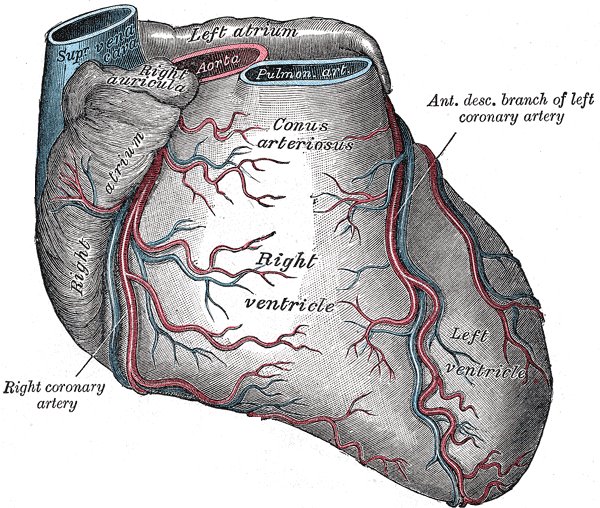 Traditional CHD risk factors used in the Framingham risk score (FRS) predictions include:
- age
- gender
- systolic blood pressure
- treatment of hypertension
- total and high-density lipoprotein cholesterol levels
- smoking
- diabetes
The newer CHD risk factors include:
- N-terminal fragment of prohormone B-type natriuretic peptide levels
- von Willebrand factor antigen levels
- fibrinogen levels
- chronic kidney disease
- leukocyte count
- C-reactive protein levels
- homocysteine levels
- uric acid levels
- coronary artery calcium [CAC] scores
- carotid intima–media thickness
- peripheral arterial disease
- pulse wave velocity
Adding coronary artery calcium [CAC] scores to the FRS improved the accuracy of risk predictions.
Levels of N-terminal fragment of prohormone B-type natriuretic peptide also improved risk predictions but to a lesser extent.
Improvements in predictions with other newer markers were marginal.
References:
Evaluation of Newer Risk Markers for Coronary Heart Disease Risk Classification: A Cohort Study. Maryam Kavousi et al. Ann Intern Med. 20 March 2012;156(6):438-444.
Image source: Gray's Anatomy, 1918, public domain.
Comments from Twitter:
Michael Mirochna, MD @DocRockne: unfortunately, no evidence they help with OUTCOMES
Wednesday, August 22, 2012
Managing perioperative risk in patients undergoing elective non-cardiac surgery - BMJ review
 Non-cardiac surgery has a low overall mortality but is associated with a large number of deaths because so many procedures are performed (250 million major surgical procedures worldwide per year).
Assuming a hospital mortality rate of 1%, non-cardiac surgery will be associated with 2.5 million deaths worldwide each year and complication rates at least five times this figure.
15% of people who undergo inpatient surgery are at high risk of complications, such as pneumonia or myocardial infarction.
Most deaths occur in a group of patients who are at high risk because of:
- advanced age
- comorbid disease
- major surgery
High risk surgical patients account for 80% of all perioperative deaths.
Further research is needed to identify the most effective approaches to perioperative medicine for high risk patients.
References:
Managing perioperative risk in patients undergoing elective non-cardiac surgery. BMJ 2011; 343 doi: 10.1136/bmj.d5759 (Published 5 October 2011), Cite this as: BMJ 2011;343:d5759
Image source: Wikipedia

Monday, August 20, 2012
The link between stress and heart disease
In this video from the Cleveland Clinic, Steven Nissen, MD, talks about the important lesson war has taught us about stress and its effect on the heart. One of the best ways to manage stress is regular exercise.
Tips for managing stress (watch the 2-minute BBC video embedded below)
- Take a few deep breaths
- Get plenty of exercise
- Socialize - don't stress alone, talk to someone and have a laugh
- Get out - go to the park
Read more: http://www.bbc.co.uk/scotland/brainsmart
Participation in sport is associated with a with a 20—40% reduction in all-cause mortality compared with non-participation. Exercise might also be considered as a fifth vital sign, according to the Lancet: http://goo.gl/gyxYf
If nothing else helps, consider this: Chewing gum may reduce stress and improve memory
Tips for managing stress (watch the 2-minute BBC video embedded below)
- Take a few deep breaths
- Get plenty of exercise
- Socialize - don't stress alone, talk to someone and have a laugh
- Get out - go to the park
Read more: http://www.bbc.co.uk/scotland/brainsmart
Participation in sport is associated with a with a 20—40% reduction in all-cause mortality compared with non-participation. Exercise might also be considered as a fifth vital sign, according to the Lancet: http://goo.gl/gyxYf
If nothing else helps, consider this: Chewing gum may reduce stress and improve memory
Monday, August 13, 2012
7 healthy traits linked to lower death risk but only 2% of people have all 7 - are you one of them?
 People who meet the 7 healthy goals recommended by the American Heart Association are less likely to die of cardiovascular causes.
Here there are:
- not smoking
- moderate exercise at least 5 times a week
- untreated blood pressure under 120/80
- HbA1c under 5.7%
- total cholesterol under 200 mg/dL
- BMI less than 25
- a diet high in produce, fish, and whole grains, and low in sodium and sugary beverages
Less than 2% of people reached all 7 ideals.
Those who met 6-7 goals had reduced risks for all-cause mortality (hazard ratio, 0.49), compared with participants meeting zero or one goal.
References:
Healthy Habits Associated with Reduced Mortality Risk - Physician's First Watch http://bit.ly/N9x8ha
Trends in Cardiovascular Health Metrics and Associations With All-Cause and CVD Mortality Among US Adults - JAMA http://bit.ly/N9xzYO
Image source: OpenClipart.org, public domain.
Wednesday, May 30, 2012
The evolution of a physician's blog
Dr. Smith presents his research poster, which charts the tremendous growth of his eponymous blog, Dr Smith’s ECG blog. The blog is practically free to maintain, hosted by Google's service, Blogger.com, and will break 1,000,000 page views this year. The site itself represents a living and breathing, dynamic textbook: http://hqmeded-ecg.blogspot.com
Dr. Stephen W. Smith is a faculty physician in the Emergency Medicine Residency at Hennepin County Medical Center (HCMC) in Minneapolis, MN, and Associate Professor of Emergency Medicine at the University of Minnesota.
Dr. Stephen W. Smith is a faculty physician in the Emergency Medicine Residency at Hennepin County Medical Center (HCMC) in Minneapolis, MN, and Associate Professor of Emergency Medicine at the University of Minnesota.
Tuesday, April 24, 2012
Unfaithfulness in men may be associated with higher risk of cardiovascular events
The authors of this study from Italy performed an extensive Medline search for “unfaithfulness,”“extramarital affairs,”“infidelity,” and “men.” How common is unfaithfulness in men?
As expected the results were variable. Some surveys reported that 1.5–4% of married men had extramarital coitus in any given year, others that 23.2% of men have cheated during their current relationship.
Lifetime prevalence of unfaithfulness was between 15% and 50%.
What are the factors related to unfaithfulness?
Men with extramarital affairs more frequently have a dysfunctional primary relationship.
Parenthood and conflicts within the family are associated with a higher risk of having an affair.
Unfaithful men display a higher androgenization, larger testis volume, higher sexual desire, and better sexual functioning.
What are the clinical implications of unfaithfulness in men?
Some studies have suggested that having an extramarital affair could have a negative impact on cardiac morbidity and mortality. Unfaithfulness in men seems to be associated with a higher risk of major cardiovascular events.
References
Fisher AD, Bandini E, Rastrelli G, Corona G, Monami M, Mannucci E, and Maggi M. Sexual and cardiovascular correlates of male unfaithfulness. J Sex Med, 2012.
Image source: OpenClipart.org, public domain.
Friday, April 13, 2012
iPad App for Education of Heart Patients After Surgery - Mayo Clinic Video
From Mayo Clinic YouTube channel: "Being in the hospital after major surgery is no fun. On top of dealing with pain, patients have uncertainty. They also have to worry about getting all the information they need to support their recovery. That's not always easy in the hospital; things happen quickly and doctors and hospital staff are often really busy. Doctors at Mayo Clinic may have a solution to this issue. They're giving iPads to heart surgery patients to see if a new iPad app can make hospital stays easier and more satisfying."
Our research presented during the 2011 ACAAI meeting showed that 95% patients thought the iPad was helpful for coming to understanding of their condition:
PATIENT PERCEPTION OF A POINT-OF-CARE TABLET COMPUTER (IPAD™) BEING USED FOR PATIENT EDUCATION - P318
A. Nickels*, V. Dimov, V. Press, R.Wolf, Chicago, IL.
Background:
During the fall of 2010, the Internal Medicine/Pediatrics program at University of Chicago introduced Point-of-Care Tablet Computers (iPad™) for clinical use. iPads™ are intended to improve access to EMR, work flow, resident and patient education, and access to electronic clinical tools. The graphic display and ease of interface makes the iPad™ a potentially powerful tool to achieve these goals. This pilot study is designed to gauge the initial patient perception of the iPad™ when used for patient education.
Methods:
8 questions, physician administered, patient survey of Allergy Immunology patients or their parents. Preloaded iPads™ with education materials (“mind map” diagrams, clinical pictures) into the photo software were used to clinically education the patients. Simple percentages and Fisher’s exact non-parametric test were used for statistical analysis. Results: 20 patients surveyed (11 resident/9 attending). For those survey items without 100% agreement, there was no statistically significant difference in responses based on level of training (p≥0.45). 100% [0.861, 1] of participants liked the iPad™ being used to help explain their children’s condition, 95% [0.783, 0.997] of participants did not find it distracting. 100% [0.8601, 1] found it helpful. 100% [0.861, 1] would like it to be used again to help explain medical information. 95% [0.784, 0.9974386] thought the iPad™ was helpful for coming to understanding of their condition. Limitations of this study include a convenient sample, physician-administered survey, and observer bias.
Conclusion:
Patient perception was very positive toward the use of a Point-of-Care Tablet Computer (iPad™) in a clinical setting. While limited to only two operators, level of training did not have an effect on patient perception. Confirmation of the results may be required before wider implementation.
Source: Patient Perception of a Point-of-Care Tablet Computer (iPad) Being Used for Patient Education. A. Nickels, V. Dimov, V. Press, R. Wolf. American College of Allergy, Asthma & Immunology (ACAAI) 2011 Annual Meeting.
http://www.annallergy.org/supplements
Our research presented during the 2011 ACAAI meeting showed that 95% patients thought the iPad was helpful for coming to understanding of their condition:
PATIENT PERCEPTION OF A POINT-OF-CARE TABLET COMPUTER (IPAD™) BEING USED FOR PATIENT EDUCATION - P318
A. Nickels*, V. Dimov, V. Press, R.Wolf, Chicago, IL.
Background:
During the fall of 2010, the Internal Medicine/Pediatrics program at University of Chicago introduced Point-of-Care Tablet Computers (iPad™) for clinical use. iPads™ are intended to improve access to EMR, work flow, resident and patient education, and access to electronic clinical tools. The graphic display and ease of interface makes the iPad™ a potentially powerful tool to achieve these goals. This pilot study is designed to gauge the initial patient perception of the iPad™ when used for patient education.
Methods:
8 questions, physician administered, patient survey of Allergy Immunology patients or their parents. Preloaded iPads™ with education materials (“mind map” diagrams, clinical pictures) into the photo software were used to clinically education the patients. Simple percentages and Fisher’s exact non-parametric test were used for statistical analysis. Results: 20 patients surveyed (11 resident/9 attending). For those survey items without 100% agreement, there was no statistically significant difference in responses based on level of training (p≥0.45). 100% [0.861, 1] of participants liked the iPad™ being used to help explain their children’s condition, 95% [0.783, 0.997] of participants did not find it distracting. 100% [0.8601, 1] found it helpful. 100% [0.861, 1] would like it to be used again to help explain medical information. 95% [0.784, 0.9974386] thought the iPad™ was helpful for coming to understanding of their condition. Limitations of this study include a convenient sample, physician-administered survey, and observer bias.
Conclusion:
Patient perception was very positive toward the use of a Point-of-Care Tablet Computer (iPad™) in a clinical setting. While limited to only two operators, level of training did not have an effect on patient perception. Confirmation of the results may be required before wider implementation.
Source: Patient Perception of a Point-of-Care Tablet Computer (iPad) Being Used for Patient Education. A. Nickels, V. Dimov, V. Press, R. Wolf. American College of Allergy, Asthma & Immunology (ACAAI) 2011 Annual Meeting.
http://www.annallergy.org/supplements
Thursday, April 5, 2012
Handwritten Video Tutorials in Medicine
Please note: The information in the following videos has not been verified by me. The purpose of this post is just to present the idea of this approach to medical education, not to recommend the content of the videos.
Here is the third video tutorial on electrocardiogram (ECG): ECG 3 - Segments, Intervals & Diseases:
Here is what the completed PDF looks like at the end of the drawing:
http://www.handwrittentutorials.com/pdf/pdf_69.pdf
Topics of the videos
Anatomy
Endocrinology
Immunology
Mathematics
Neuroscience
Pharmacology
Physiology
References
Handwritten Video Tutorials in Medicine http://goo.gl/ZxFhb and http://goo.gl/R8xse
Here is the third video tutorial on electrocardiogram (ECG): ECG 3 - Segments, Intervals & Diseases:
Here is what the completed PDF looks like at the end of the drawing:
http://www.handwrittentutorials.com/pdf/pdf_69.pdf
Topics of the videos
Anatomy
Endocrinology
Immunology
Mathematics
Neuroscience
Pharmacology
Physiology
References
Handwritten Video Tutorials in Medicine http://goo.gl/ZxFhb and http://goo.gl/R8xse
Wednesday, January 11, 2012
94% of Americans score at “poor” level on at least one of the 7 factors defining ideal cardiovascular health
 More than 90% of Americans score poorly on at least one of the American Heart Association’s 7 factors defining ideal cardiovascular health.
 The 7 factors (with lack of a diagnosis of heart or blood vessel disease) include:
- smoking status
- weight
- physical activity
- healthy diet
- cholesterol concentration
- blood pressure
- fasting glucose concentration
The new data by CDC and NIH show that 94% of US adults score at a “poor” level on at least one of those factors and that 38% have at least 3 factors at a poor level.
References:
US citizens score poorly on ratings of cardiovascular risk factors. BMJ 2012; 344 doi: 10.1136/bmj.e22 (Published 4 January 2012).
Thursday, January 5, 2012
Hands-only CPR videos - The American Way vs. The British Way - Celebrity edition
The American Heart Association (AHA) recruited Kendrick Kang-Joh Jeong, MD (a trained physician and an actor from the Hangover) to demonstrate ‘hands only CPR’ to the metronomic beat of the Bee Gees 1977 disco hit ‘Stayin’ Alive’:
The British Heart Foundation recruited footballer-turned-actor Vinnie Jones to show how hard and fast hands-only CPR to Stayin' Alive by the Bee Gees can help save the life of someone who has had a cardiac arrest. The Hollywood hardman is starring in a TV advert urging more people to carry out CPR in a medical emergency:
Ken Jeong Behind the Scenes - AHA CPR video:
Comments from YouTube:
Sure, the beat to "Staying Alive" works, but so does "Another One Bites The Dust" by Queen......... just saying!
Related reading:
Disco Still Saves Lives. Life in the Fast Lane.
The British Heart Foundation recruited footballer-turned-actor Vinnie Jones to show how hard and fast hands-only CPR to Stayin' Alive by the Bee Gees can help save the life of someone who has had a cardiac arrest. The Hollywood hardman is starring in a TV advert urging more people to carry out CPR in a medical emergency:
Ken Jeong Behind the Scenes - AHA CPR video:
Comments from YouTube:
Sure, the beat to "Staying Alive" works, but so does "Another One Bites The Dust" by Queen......... just saying!
Related reading:
Disco Still Saves Lives. Life in the Fast Lane.
Saturday, December 31, 2011
Risk of heart attack and stroke goes up during holidays - Mayo Clinic video
From the Mayo Clinic YouTube channel: Are you at an increased risk of heart attack and stroke? Studies show the incidents rise during December and January, but particularly on Christmas Day and New Year's Day. Stay safe.
Jon Lord (70), a Hammond organ player, and a founding member of Deep Purple, who is currently recovering from cancer, says it very well: "Party hearty but look after yourselves. I wish you success and happiness, and above all I wish you health."
Jon Lord - Child In Time, 4 March, 2009, Palace of Arts (MÜPA), Budapest, Hungary.
Happy New Year!
References:
Jon wishes you a Happy New Year
Friday, October 28, 2011
Chocolate consumption is inversely associated with coronary heart disease
 Cocoa and dark chocolate are rich in flavonoids and may lower blood pressure.
5,000 people aged 25-93 years participated in the National Heart, Lung, and Blood Institute (NHLBI) Family Heart Study.
Compared to subjects who did not report any chocolate intake, odds ratios for coronary heart disease (CHD) were:
- 1.0 for subjects consuming chocolate 1-3 times/month
- 0.74 for subjects consuming chocolate 1-4 times/week
- 0.43 for subjects consuming chocolate 5+ times/week
Consumption of non-chocolate candy was associated with a 49% higher prevalence of CHD comparing 5+/week vs. none per week [OR = 1.49].
Consumption of chocolate is inversely related with prevalent CHD in a general United States population.
References:
Chocolate consumption is inversely associated with prevalent coronary heart disease: the National Heart, Lung, and Blood Institute Family Heart Study. Djoussé L, Hopkins PN, North KE, Pankow JS, Arnett DK, Ellison RC. Clin Nutr. 2011 Apr;30(2):182-7. Epub 2010 Sep 19.
Image source: Wikipedia, public domain.
From Writer's Almanac:
Ode to Chocolate by Barbara Crooker (excerpt)
I hate milk chocolate, don't want clouds
of cream diluting the dark night sky,
don't want pralines or raisins, rubble
in this smooth plateau. I like my coffee
black, my beer from Germany, wine
from Burgundy, the darker, the better.
Wednesday, September 21, 2011
Tuesday, September 20, 2011
Pacemaker implantation animation
From NHS Choices YouTube channel: Pacemaker implantation involves surgically placing an electrical device into the chest to help your heart beat normally. This animation explains what causes an irregular heartbeat and how a pacemaker can correct it.
Wednesday, August 31, 2011
Disease-Specific, Social Network-Initiated Study by Mayo Clinic and Dr. Tweet
Mayo Clinic is the clear leader in social media use by hospitals at this time. Mayo has published 1,500 YouTube videos, has a social media center with approximately 20 employees, and external advisory board with experts that span the globe. They have a social media "residency" program where (for a fee) they are ready to teach you how to blog, Twitter, Facebook and YouTube in 3.5 days. Unhappy with the Facebook use for healthcare, Mayo launched their own social network for patients. But why stop there? Mayo Clinic figured out that you can collect data from the clusters of patients with rare conditions that form spontaneously in social networks. This pilot study is a novel example of “patient-initiated research.” I think this is great and potentially very useful to patients and science. Let's hope more hospitals follow in the footsteps of these pioneers.
The two videos below illustrate the start of Disease-Specific, Social Networking Community-Initiated Study Focused on Spontaneous Coronary Artery Dissection (SCAD):
The chest pain experienced by the woman you're about to meet was much more than a difficult recovery. She had a heart attack when a rare and deadly condition stopped blood flow to her heart. The same thing happened to another woman. After sharing their stories on social networking sites they found more women with the same problem. That's when they contacted Mayo Clinic to convince cardiologists to use the information they gathered on the internet to research this condition.
Dr. Sharonne Hayes, Professor of Medicine in Cardiovascular Diseases at Mayo Clinic in Rochester, MN, discusses her article appearing in the September 2011 issue of Mayo Clinic Proceedings on using social media to research and treat spontaneous coronary artery dissection (SCAD).
After being approached by several members of an international disease-specific support group on a social networking site, the researchers used it to identify patients who had been diagnosed as having at least 1 episode of spontaneous coronary artery dissection and recruited them to participate in a clinical investigation of their condition. Medical records were collected and reviewed, the original diagnosis was independently confirmed by review of imaging studies, and health status (both interval and current) was assessed.
Recruitment of all 12 participants was complete within 1 week of institutional review board approval. All participants completed the study questionnaires and provided the required medical records and coronary angiograms and ancillary imaging data.
This study involving patients with spontaneous coronary artery dissection demonstrates the feasibility of and is a successful model for developing a “virtual” multicenter disease registry through disease-specific social media networks to better characterize an uncommon condition. This study is a prime example of patient-initiated research that could be used by other health care professionals and institutions.
A cute factoid? The lead author of this social network-initiated study is actually called Dr. Tweet (as in a message on Twitter).
References
Electronic Communication and Medical Research: Beyond the Record
Spontaneous Coronary Artery Dissection: A Disease-Specific, Social Networking Community–Initiated Study
Another related video:
Dr. Sharonne Hayes, director of the Mayo Clinic Women's Heart Clinic, Dr. Marysia Tweet and Lee Aase, director of the Mayo Clinic Center for Social Media, discuss findings of a pilot study of SCAD (spontaneous coronary artery dissection) published in September 2011 in Mayo Clinic Proceedings.
The two videos below illustrate the start of Disease-Specific, Social Networking Community-Initiated Study Focused on Spontaneous Coronary Artery Dissection (SCAD):
The chest pain experienced by the woman you're about to meet was much more than a difficult recovery. She had a heart attack when a rare and deadly condition stopped blood flow to her heart. The same thing happened to another woman. After sharing their stories on social networking sites they found more women with the same problem. That's when they contacted Mayo Clinic to convince cardiologists to use the information they gathered on the internet to research this condition.
Dr. Sharonne Hayes, Professor of Medicine in Cardiovascular Diseases at Mayo Clinic in Rochester, MN, discusses her article appearing in the September 2011 issue of Mayo Clinic Proceedings on using social media to research and treat spontaneous coronary artery dissection (SCAD).
After being approached by several members of an international disease-specific support group on a social networking site, the researchers used it to identify patients who had been diagnosed as having at least 1 episode of spontaneous coronary artery dissection and recruited them to participate in a clinical investigation of their condition. Medical records were collected and reviewed, the original diagnosis was independently confirmed by review of imaging studies, and health status (both interval and current) was assessed.
Recruitment of all 12 participants was complete within 1 week of institutional review board approval. All participants completed the study questionnaires and provided the required medical records and coronary angiograms and ancillary imaging data.
This study involving patients with spontaneous coronary artery dissection demonstrates the feasibility of and is a successful model for developing a “virtual” multicenter disease registry through disease-specific social media networks to better characterize an uncommon condition. This study is a prime example of patient-initiated research that could be used by other health care professionals and institutions.
A cute factoid? The lead author of this social network-initiated study is actually called Dr. Tweet (as in a message on Twitter).
References
Electronic Communication and Medical Research: Beyond the Record
Spontaneous Coronary Artery Dissection: A Disease-Specific, Social Networking Community–Initiated Study
Another related video:
Dr. Sharonne Hayes, director of the Mayo Clinic Women's Heart Clinic, Dr. Marysia Tweet and Lee Aase, director of the Mayo Clinic Center for Social Media, discuss findings of a pilot study of SCAD (spontaneous coronary artery dissection) published in September 2011 in Mayo Clinic Proceedings.
Wednesday, July 13, 2011
Cholesterol numbers - Mayo Clinic video
Mayo Clinic: You've heard the warnings before — high cholesterol increases your risk of heart disease. So how often should you get your cholesterol checked, what should your numbers be, and how do you get them there?
Heart numbers to know, from Cleveland Clinic
Knowing your risk for heart disease depends on knowing and understanding some important numbers:
- Blood pressure should be less than 120/80 mm Hg
- Fasting blood sugar should be less than 100 mg/dL
- Total cholesterol less than 200 mg/dL
- LDL (bad cholesterol) less than 100 mg/dL, HDL (good) greater than 40 mg/dL
- Waist circumference should be less than 40 inches for men and less then 35 inches for women
- Body Mass Index (BMI) should be between 18.5 and 25. Calculate your BMI here: http://bit.ly/glMJE5
Monday, June 27, 2011
Stock market dips linked to heart attack increase
During the period of increased volatility in the stock market in 2006-2009, when stock market values decreased, heart attacks seemed to increase, and then decreased when stock trends improved.While earlier studies showed a link between traumatic events such Hurricane Katrina in 2005 and an increased risk of "cardiac events," there was limited data on the impact of financial markets.
References:
Stock market dips linked to heart attack surge: study - Yahoo! News.
Image source: Gray's Anatomy, 1918, public domain.
Wednesday, April 13, 2011
Statins slightly increase risk of cataracts, liver dysfunction, kidney failure and muscle weakness
 Statins do NOT prevent a long list of diseases
Statins were not significantly associated with risk of Parkinson’s disease, rheumatoid arthritis, venous thromboembolism, dementia, osteoporotic fracture, gastric cancer, colon cancer, lung cancer, melanoma, renal cancer, breast cancer, or prostate cancer.
Statins may decrease risk of esophageal cancer
Statin use was associated with decreased risks of oesophageal cancer.
Statins slightly increase the risk of liver dysfunction, kidney failure, muscle weakness and cataracts
Statin use was associated with increased risks of moderate or serious liver dysfunction, acute renal failure, moderate or serious myopathy, and cataract.
Is the risk the same with all statins?
Adverse effects were similar across statin types for each outcome except liver dysfunction where risks were highest for fluvastatin.
A dose-response effect was apparent for acute renal failure and liver dysfunction. All increased risks persisted during treatment and were highest in the first year.
How long does the risk last?
After stopping treatment the risk of cataract returned to normal within a year in men and women. Risk of acute renal failure returned to normal within 1-3 years in men and women, and liver dysfunction within 1-3 years in women and from three years in men.
What was the NNT and NNH?
Based on the 20% threshold for cardiovascular risk, for women the NNT with any statin to prevent one case of cardiovascular disease over five years was 37 and for oesophageal cancer was 1266 and for men the respective values were 33 and 1082.
In women the NNH for an additional case of acute renal failure over five years was 434, of moderate or severe myopathy was 259, of moderate or severe liver dysfunction was 136, and of cataract was 33. Overall, the NNHs and NNTs for men were similar to those for women, except for myopathy where the NNH was 91.
Conclusion
Claims of unintended benefits of statins, except for oesophageal cancer, remain unsubstantiated, although potential adverse effects at population level were confirmed and quantified.
Interestingly, the BMJ abstract did not mention increased diabetes risk that was reported in a previous study published in The Lancet.
References:
Unintended effects of statins in men and women in England and Wales: population based cohort study using the QResearch database. BMJ 2010; 340:c2197 doi: 10.1136/bmj.c2197 (Published 20 May 2010).
Balancing the intended and unintended effects of statins. BMJ 2010; 340:c2240 doi: 10.1136/bmj.c2240 (Published 20 May 2010).
People on statins are 9% more likely to develop diabetes according to a meta-analysis
Cholesterol drug side effects need watching: study. Reuters.
Cholesterol drug side effects need watching: study. Reuters.
Image source: Simvastatin. Wikipedia, public domain.

Subscribe to:
Posts (Atom)