Rodeo Bulls Kick Higher and Buck Harder. A great bucking bronco can be worth hundreds of thousands of dollars, and an entire industry has sprung up that's dedicated to breeding these superior bulls. The result? A lot of cowboys with broken bones. WSJ's Michael M. Phillips reports:
Showing posts with label Trauma. Show all posts
Showing posts with label Trauma. Show all posts
Thursday, April 18, 2013

Wednesday, April 10, 2013
Concussions 101, a Primer for Kids and Parents (video)
Dr. Mike has put together a few resources on concussions at http://www.myfavouritemedicine.com/2012/03/07/concussions/
Dr. Mike Evans is founder of the Health Design Lab at the Li Ka Shing Knowledge Institute, an Associate Professor of Family Medicine and Public Health at the University of Toronto, and a staff physician at St. Michael's Hospital.
http://twitter.com/docmikeevans
http://www.facebook.com/docmikeevans
Conceived, written, and presented by Dr. Mike Evans, Illustrated by Liisa Sorsa, Produced, directed, and filmed by Nick De Pencier, Picture and sound edit by David Schmidt, Gaffer, Martin Wojtunik, Whiteboard construction by James Vanderkleyn, Production assistant, Chris Niesing, ©2011 Michael Evans and Mercury Films Inc.
Wednesday, April 3, 2013
7 Reasons Why You Should Join A Post Natal Yoga Studio

Here are the top 7 reasons of joining a yoga class recently after the child birth:
1. Regain the Original Curves
Are you feeling shy of bad curves on your body? Have you gain so much of weight that it seems impossible to obtain your original shape again? Are you looking dull and faded, and does it stopping you from attending parties and meet friends? The answer to all of these worries, concerns or problems is post-natal yoga exercises. It will help you loose weight and get your body in shape again, perhaps better than the earlier one.
2. Increase Muscle Strength
Post-natal yoga exercises are designed to help the new moms to restrengthen their muscles in the spinal cord, pelvic floor and abdomen, which gets loosen during the delivery. It also relaxes the muscles of neck and shoulder, and improves the flexibility in the body which in turn reduces fatigue.
3. Come Out Of All The Psychological Trauma
It is never so easy for new moms to cope up with the new responsibilities that come her way after the birth of the child. It is common to experience anxiety, stress and mental disturbance after the delivery. Post-natal yoga helps to new mothers to overcome these mental trauma and feel relaxed.
4. Boost Stamina
Post delivery yoga exercises helps mothers increase the physical stamina and endurance level in the body. So, they can easily deal with the new responsibilities in their life. After all, looking after the baby and his or her needs is not a piece of cake.
5. Synchronizing Mind And Body
Some women feel lose their self-control and feel nervous after experiencing the deadly pain during the delivery process. Various postures and poses in post pregnancy yoga help such mothers get control over their mind and body, and also set the right chord between them. Yoga also helps the mothers to boost self-confidence and self-esteem.
6. Sound Sleep Guaranteed
I've heard most of the new moms complaining that their baby isn't allowing them to take proper sleep during night hours, and thus they fill tired in day time as well. Some mothers also experience the problem of breathing shortage. Post pregnancy yoga won't just give sound sleep, but also recover the short breathing issue, if you have.
7. Rejuvenate You!
Post pregnancy yoga relaxes your body and brings positive vibes in your mind. You will like your soul and body are rejuvenated completely!
How to Find a Good Yoga Studio?
Use internet in the right manner. As an example, say you live in Zurich and looking for a good yoga teacher in your city, then your search should be similar to 'rückbildungsgymnastik [Postnatal Exercise] in Zurich'. You'll get a list of websites in the result, and your best yoga teacher Zurich is just a click away.
About the Author:
In her trip to Switzerland, she gathered information about the adapt form of rückbildungsgymnastik [Postnatal Exercise] in Zurich. Post-pregnancy yoga exercises help new moms to get back to their physical peak consistency.
Wednesday, February 6, 2013
Mild traumatic brain injury (MTBI)
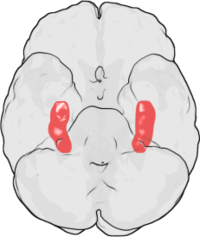 What is Mild traumatic brain injury (MTBI)?
Mild traumatic brain injury (MTBI) is commonly known as concussion. A universally accepted definition is lacking.
Mild traumatic brain injury and concussion are classified by:
- transient loss of consciousness
- amnesia
- altered mental status
- a Glasgow Coma Score of 13 to 15
- focal neurological deficits following an acute closed head injury
"Red flag' symptoms include: progression of physical, cognitive, and behavioral symptoms, seizure, progressive vomiting, and altered mental status.
What is the prognosis of mild traumatic brain injury (MTBI)?
Most patients recover quickly, within 1-2 weeks.
However, persistent symptoms may be noted in 5-20% of persons who have mild traumatic brain injury (MTBI):
- Physical symptoms include headaches, dizziness, and nausea, and changes in coordination, balance, appetite, sleep, vision, and hearing.
- Cognitive and behavioral symptoms include fatigue, anxiety, depression, and irritability, and problems with memory, concentration and decision making.
Who is at greatest risk after a mild traumatic brain injury (MTBI)?
Women, older adults, less educated persons, and those with a previous mental health diagnosis are more likely to have persistent symptoms.
Protecting the brain from concussion: $20-helmet is a good way to protect $100,000 education
Neuropsychologist Kim Gorgens makes the case for better protecting our brains against the risk of concussion -- with a compelling pitch for putting helmets on kids: A $20-helmet is a good way to protect $100,000 education. "Mind your (brain) matter."
References:
Subacute to chronic mild traumatic brain injury. Mott TF, McConnon ML, Rieger BP. Am Fam Physician. 2012 Dec 1;86(11):1045-51.
Image source: Hippocampus, from Wikipedia, public domain.
Saturday, January 5, 2013
Symptoms of Brain Tumor

What Cause Brain Cancer?
1. The radiation and electrical waves from portable and laptop will promote the canceration of cells.
2. The prevalence of brain cancer is expounded to the contact of insect powder, solvent, dyes and gas in keeping with studies. to boot, a pregnant girl takes alcohol or hair coloring before delivery would increase the danger for babies to develop metastatic tumor.
3.A growth might develop in brain simply because of environmental trauma irritating brain and scar tissues of brain. This traumatic growth principally happens on a base of damages in cerebral meninges and arachnoid. External injure of brain will stimulate the expansion speed of existing brain cancer besides.
4. Radiation. The semipermanent exposure to radiation is another reason behind brain cancer.
What ar the Common Symptoms of Brain Cancer?
1. Headache is one amongst the foremost obvious symptoms of brain cancer. It unremarkably happens in four or five am once the patients ar in deep sleep. Patients typically rouse owing to headache, with sleep deeper, headache additional server.. The headache disappears bit by bit at eight or nine o'clock once obtaining up.
2.Spraying unconditioned reflex. Compared to vomits that ar caused by stomachal diseases, the vomit happens on brain cancer unremarkably shows no symptoms like abdomen soberness and distension, nausea and abdominal pain or symptom. Moreover, the vomit isn't associated with foodintake, it's simply a unexpected spraying vomit shortly once headache, that is due to magnified intracranial pressure stimulating the unconditioned reflex centre of medulla.
Besides, abrupt twitch, single symptom, hearing impairment in one ear, hemiplegia, lowered eye vision, diplopia, issue in swallow and sustaining body balance, dizziness, are the symptoms of brain cancer.
Tuesday, November 27, 2012
Botox helps with urinary incontinence

What is urinary incontinence
Urinary incontinence is one of the major urological diseases in women, which significantly affects the quality of life. The following types of urinary incontinence:
- Stress incontinence occurs when coughing, sneezing, laughing, exercise, and due to the weakening of the sphincter of the bladder. Sphincter is a circular muscle that prevents the leakage of urine. The weakening of the sphincter in women can be caused by pregnancy, childbirth and menopause, and men - removal of the prostate.
- Urge incontinence manifests sudden urge to urinate followed by an involuntary release of urine. Urge incontinence can be caused by a urinary tract infection, Parkinson's disease , Alzheimer's disease, trauma, multiple sclerosis .
- Overflow incontinence due to bladder manifested inability to empty the bladder. This type of incontinence can be caused by an obstacle in the way of the ureter urine flow, nerve damage from diabetes mellitus, multiple sclerosis, spinal cord injury, in men it is often found in diseases of the prostate.
The study involved 250 women with urge incontinence of urine. Only one injection of Botox into the bladder led to an understanding that it is not inferior to oral drugs that are currently used for the treatment of urinary incontinence. In contrast, a single injection of Botox freed women from urinary incontinence at 6 months, whereas oral medications must be taken daily.
But we should not forget about the side effects of Botox: some women experience urinary retention, which required a catheter and urinary tract infection. However, Botox can be a great alternative to oral medication.
Wednesday, July 4, 2012
More than 50% of injuries on Fourth of July are related to fireworks
The eyes are the most frequently injured body parts, followed by the fingers and hands. Here is a video from the Cleveland Clinic with some advice how to prevent these injuries:
This video discusses ways to prevent and identify heat-related illness in senior citizens:
This video discusses ways to prevent and identify heat-related illness in senior citizens:
Monday, July 2, 2012
Drowning Prevention Guidelines
Here is a video from the Cleveland Clinic:
Key risk factors for drowning are:
- male sex
- age of less than 14 years
- alcohol use
- low income
- poor education
- rural residency
- aquatic exposure
- risky behavior
- lack of supervision
For people with epilepsy, the risk of drowning is 15 to 19 times as high as the risk for those who do not have epilepsy.
For every person who dies from drowning, another four persons receive care in the emergency department for nonfatal drowning.
Drowning Doesn’t Look Like Drowning
- Except in rare circumstances, drowning people are physiologically unable to call out for help. The respiratory system was designed for breathing. Speech is the secondary or overlaid function. Breathing must be fulfilled, before speech occurs.
- Drowning people’s mouths alternately sink below and reappear above the surface of the water.
- The mouths of drowning people are not above the surface of the water long enough for them to exhale, inhale, and call out for help. When the drowning people’s mouths are above the surface, they exhale and inhale quickly as their mouths start to sink below the surface of the water.
- Drowning people cannot wave for help. Nature instinctively forces them to extend their arms laterally and press down on the water’s surface. Pressing down on the surface of the water, permits drowning people to leverage their bodies so they can lift their mouths out of the water to breathe.
- Throughout the Instinctive Drowning Response, drowning people cannot voluntarily control their arm movements. Physiologically, drowning people who are struggling on the surface of the water cannot stop drowning and perform voluntary movements such as waving for help, moving toward a rescuer, or reaching out for a piece of rescue equipment.
- From beginning to end of the Instinctive Drowning Response people’s bodies remain upright in the water, with no evidence of a supporting kick. Unless rescued by a trained lifeguard, these drowning people can only struggle on the surface of the water from 20 to 60 seconds before submersion occurs.
References:
Drowning Doesn’t Look Like Drowning. Mario Vittone.On Scene Magazine: Fall 2006 (page 14)
Drowning - free NEJM review, 2012 http://goo.gl/xSqLu
Key risk factors for drowning are:
- male sex
- age of less than 14 years
- alcohol use
- low income
- poor education
- rural residency
- aquatic exposure
- risky behavior
- lack of supervision
For people with epilepsy, the risk of drowning is 15 to 19 times as high as the risk for those who do not have epilepsy.
For every person who dies from drowning, another four persons receive care in the emergency department for nonfatal drowning.
Drowning Doesn’t Look Like Drowning
- Except in rare circumstances, drowning people are physiologically unable to call out for help. The respiratory system was designed for breathing. Speech is the secondary or overlaid function. Breathing must be fulfilled, before speech occurs.
- Drowning people’s mouths alternately sink below and reappear above the surface of the water.
- The mouths of drowning people are not above the surface of the water long enough for them to exhale, inhale, and call out for help. When the drowning people’s mouths are above the surface, they exhale and inhale quickly as their mouths start to sink below the surface of the water.
- Drowning people cannot wave for help. Nature instinctively forces them to extend their arms laterally and press down on the water’s surface. Pressing down on the surface of the water, permits drowning people to leverage their bodies so they can lift their mouths out of the water to breathe.
- Throughout the Instinctive Drowning Response, drowning people cannot voluntarily control their arm movements. Physiologically, drowning people who are struggling on the surface of the water cannot stop drowning and perform voluntary movements such as waving for help, moving toward a rescuer, or reaching out for a piece of rescue equipment.
- From beginning to end of the Instinctive Drowning Response people’s bodies remain upright in the water, with no evidence of a supporting kick. Unless rescued by a trained lifeguard, these drowning people can only struggle on the surface of the water from 20 to 60 seconds before submersion occurs.
References:
Drowning Doesn’t Look Like Drowning. Mario Vittone.On Scene Magazine: Fall 2006 (page 14)
Drowning - free NEJM review, 2012 http://goo.gl/xSqLu
Tuesday, March 20, 2012
Symptomatic knee osteoarthritis (OA) increased during the past 20 years but radiographic OA did not
 A recent surge in knee replacements is assumed to be due to aging and increased obesity of the U.S. population.
This cross-sectional study used data from 6 NHANES (National Health and Nutrition Examination Survey) surveys between 1971 and 2004 and from 3 examination periods in the FOA (Framingham Osteoarthritis) Study between 1983 through 2005 of the U.S. population.
Prevalence of knee pain increased by 65% in NHANES from 1974 to 1994.
In the FOA Study, prevalence of knee pain and symptomatic knee osteoarthritis doubled in women and tripled in men over 20 years.
However, no such trend was observed in the prevalence of radiographic knee osteoarthritis.
Prevalence of knee pain has increased substantially over 20 years. Obesity accounted for only part of this increase.
Symptomatic knee osteoarthritis increased but radiographic knee osteoarthritis did not. Why the patients are more symptomatic now than 20 years ago?
Research Finds Exercise is Good for Arthritis (a Cleveland Clinic video):
What is Boomeritis?
In 2006, the NYTimes described the health problems of aging baby boomers who continue to exercise: osteoarthritis which needs "knee and hip replacements, surgery for cartilage and ligament damage, and treatment for tendinitis, arthritis, bursitis and stress fractures." Some doctors call this phenomenon "boomeritis" or "Generation Ouch."
References:
Increasing Prevalence of Knee Pain and Symptomatic Knee Osteoarthritis: Survey and Cohort Data. ANN INTERN MED, December 6, 2011, vol. 155 no. 11 725-732.
What is Boomeritis?
Image source: OpenClipart.org, public domain.
Friday, February 24, 2012
Wednesday, February 15, 2012
Running Marathons and Staying Injury Free - Mayo Clinic Video
Mayo Clinic Florida sports medicine physician Daniel Montero, M.D., provides tips on avoiding injuries while running in a marathon. He also addresses tips on:
- safely keeping up when running in large crowds
- staying hydrated
- dressing for weather conditions
- running the way you were trained to do
Tuesday, January 31, 2012
First snowmobile front flip landed and winter sport trauma (video)
Heath Frisby lands the first snowmobile front flip in competition:
This is what happens when the things don't go as planned: Colten Moore flies 120 feet into the air and then hits the snow hard in Snowmobile Freestyle Finals... (video below). He not only survived but went on to win Winter X Games Gold later.
Not all extreme winter sport champions are so lucky though, and some of them have barely escaped death, with life-altering injuries: Kevin Pearce reflects on Sarah Burke's death (USA Today).
This is what happens when the things don't go as planned: Colten Moore flies 120 feet into the air and then hits the snow hard in Snowmobile Freestyle Finals... (video below). He not only survived but went on to win Winter X Games Gold later.
Not all extreme winter sport champions are so lucky though, and some of them have barely escaped death, with life-altering injuries: Kevin Pearce reflects on Sarah Burke's death (USA Today).
Tuesday, December 27, 2011
iPad app tests athletes for concussion - Cleveland Clinic video
An iPad app tests athletes for concussions (a Cleveland Clinic video). The players perform a series of balance, memory, vision, and reaction time experiments to obtain a baseline reading. If they receive a blow to the head during a game or practice, these tests can be redone to determine when it is safe for the athlete to return to action.
References:
Concussion Center - Cleveland Clinic.
Cleveland Clinic Treats Concussions With iPad App. Fox News.
Chronic traumatic encephalopathy (CTE): Brain bank examines athletes' hard hits - CNN, 2012.
Comments from Twitter:
@DrVes: Why are some doctors and nurses giving back their iPads? http://j.mp/Hq15aD - Easy: iPad works great for pt education, NOT for data entry. Only 10% of doctors currently use an iPad at work http://j.mp/Hq15aD - I use iPad daily to discuss these diagrams: http://j.mp/Hq1k5v
iPad is a great teaching tool @CraigCCRNCEN was able to explain to Vietnamese family AFib and clots by showing them animation from YouTube.
Brian S. McGowan PhD @BrianSMcGowan: so is the best option for docs still a touch screen laptop? teach w/ touch screen, work w/ full keyboard? #hcsm
@DrVes: iPad works well for discussing DDx, Tx options with pts. Much more portable than laptop. Full-keyboard COWs best for typing.
Jeff Bray @jeffkbray: I have been scanning all my medical reference books and store them on my iPad for quick use and no weight - great tool and mobile
Monday, November 28, 2011
Acute altitude illnesses
This summary is based on a recent BMJ review:
Acute altitude illnesses include:
- high altitude headache
- acute mountain sickness
- high altitude cerebral edema
- high altitude pulmonary edema
Typical scenarios in which such illness occurs include:
- a family trek to Everest base camp in Nepal (5,360 m)
- a fund raising climb of Mount Kilimanjaro (5,895 m), shown in the map below
- a tourist visit to Machu Picchu (2,430 m)
View Larger Map
High altitude headache and acute mountain sickness often occur a few hours after arrival at altitudes over 3,000 meters.
Occurrence of acute mountain sickness is reduced by slow ascent. Severity can be modified by prophylactic acetazolamide.
Mild to moderate acute mountain sickness usually resolves with:
- rest
- hydration
- halting ascent
- analgesics
Occasionally people with acute mountain sickness develop high altitude cerebral oedema with confusion, ataxia, persistent headache, and vomiting.
Severe acute mountain sickness and high altitude cerebral edema require urgent treatment with:
- oxygen if available
- dexamethasone
- possibly acetazolamide
- rapid descent
High altitude pulmonary edema is a rare but potentially life threatening condition that occurs 1-4 days after arrival at altitudes above 2,500 meters. Treatment includes oxygen if available, nifedipine, and rapid descent to lower altitude.
What do extreme athletes who can summit the peaks of Mt. Everest have in common with people with heart failure? This Mayo Clinic video explains it:
References:
Clinical Review: Acute altitude illnesses. BMJ 2011; 343:d4943 doi: 10.1136/bmj.d4943
High-Altitude Medicine http://buff.ly/UGjp6Q
Acute altitude illnesses include:
- high altitude headache
- acute mountain sickness
- high altitude cerebral edema
- high altitude pulmonary edema
Typical scenarios in which such illness occurs include:
- a family trek to Everest base camp in Nepal (5,360 m)
- a fund raising climb of Mount Kilimanjaro (5,895 m), shown in the map below
- a tourist visit to Machu Picchu (2,430 m)
View Larger Map
High altitude headache and acute mountain sickness often occur a few hours after arrival at altitudes over 3,000 meters.
Occurrence of acute mountain sickness is reduced by slow ascent. Severity can be modified by prophylactic acetazolamide.
Mild to moderate acute mountain sickness usually resolves with:
- rest
- hydration
- halting ascent
- analgesics
Occasionally people with acute mountain sickness develop high altitude cerebral oedema with confusion, ataxia, persistent headache, and vomiting.
Severe acute mountain sickness and high altitude cerebral edema require urgent treatment with:
- oxygen if available
- dexamethasone
- possibly acetazolamide
- rapid descent
High altitude pulmonary edema is a rare but potentially life threatening condition that occurs 1-4 days after arrival at altitudes above 2,500 meters. Treatment includes oxygen if available, nifedipine, and rapid descent to lower altitude.
What do extreme athletes who can summit the peaks of Mt. Everest have in common with people with heart failure? This Mayo Clinic video explains it:
References:
Clinical Review: Acute altitude illnesses. BMJ 2011; 343:d4943 doi: 10.1136/bmj.d4943
High-Altitude Medicine http://buff.ly/UGjp6Q
Monday, October 24, 2011
Restraint technique could be fatal: Forcing a detainee to bend over while seated can lead to death
Researchers found that the hold, forcing a detainee to bend over while seated, can massively cut lung capacity.
They placed 40 volunteers in chairs and then leaned them forward, bringing their face close to the lap. They used arm holds and applied a small amount of force to prevent the volunteer from attempting to return to a normal sitting position. In the worst cases, the lungs' capacity was almost halved.
"Imagine that from the perspective of the security staff. They feel you struggle and they will feel that you are getting angry. They will apply more force to manage your resistance. It becomes a vicious circle."
References:
Restraint technique could be fatal, research suggests. BBC.
They placed 40 volunteers in chairs and then leaned them forward, bringing their face close to the lap. They used arm holds and applied a small amount of force to prevent the volunteer from attempting to return to a normal sitting position. In the worst cases, the lungs' capacity was almost halved.
"Imagine that from the perspective of the security staff. They feel you struggle and they will feel that you are getting angry. They will apply more force to manage your resistance. It becomes a vicious circle."
References:
Restraint technique could be fatal, research suggests. BBC.
Tuesday, October 11, 2011
Pets Cause Many ER Visits For Owners Due to Accidental Falls
From Cleveland Clinic YouTube channel: Accidental falls are the leading cause of non fatal injuries in the United States according to the American Association of Neurological Surgeons, and a new study finds more than 86,000 of those falls are caused by cats and dogs.
Monday, August 29, 2011
AMA Guide to Assessing and Counseling Older Drivers
Motor vehicle injuries are a leading cause of injury-related deaths in the older population (persons 65 years and older). Per mile driven, the fatality rate for drivers 85 years and older is 9 times higher than the rate for drivers 25 to 69 years old.
Physicians play an important role in the safe mobility of their older patients. The AMA encourages physicians to make driver safety a routine part of their geriatric medical services and the guide is freely available as PDF documents here:
AMA Physician's Guide to Assessing and Counseling Older Drivers
For example, dementia is just one of the risks that older drivers face:

Evaluation of driving risk in dementia (click to enlarge the image).
For patients with dementia, the following characteristics are useful for identifying
patients at increased risk for unsafe driving:
- Clinical Dementia Rating scale (Level A)
- caregiver’s rating of a patient’s driving ability as marginal or unsafe (Level B)
- history of crashes or traffic citations (Level C)
- reduced driving mileage or self-reported situational avoidance (Level C)
- Mini-Mental State Examination scores of 24 or less (Level C)
- aggressive or impulsive personality characteristics (Level C)
References:
AMA Physician's Guide to Assessing and Counseling Older Drivers
Evaluation of driving risk in dementia - practice parameter update
Physicians play an important role in the safe mobility of their older patients. The AMA encourages physicians to make driver safety a routine part of their geriatric medical services and the guide is freely available as PDF documents here:
AMA Physician's Guide to Assessing and Counseling Older Drivers
For example, dementia is just one of the risks that older drivers face:
Evaluation of driving risk in dementia (click to enlarge the image).
For patients with dementia, the following characteristics are useful for identifying
patients at increased risk for unsafe driving:
- Clinical Dementia Rating scale (Level A)
- caregiver’s rating of a patient’s driving ability as marginal or unsafe (Level B)
- history of crashes or traffic citations (Level C)
- reduced driving mileage or self-reported situational avoidance (Level C)
- Mini-Mental State Examination scores of 24 or less (Level C)
- aggressive or impulsive personality characteristics (Level C)
References:
AMA Physician's Guide to Assessing and Counseling Older Drivers
Evaluation of driving risk in dementia - practice parameter update
Friday, July 29, 2011
How much heat you can take? 232 years ago, three British gentlemen found out
Have you ever wondered how much heat you can take? 232 years ago, three British gentlemen decided to find out: 260 degrees Fahrenheit (126.6 degrees Celsius).
From NPR:
Be sure to check the cartoon slideshow too.
From NPR:
Be sure to check the cartoon slideshow too.
Tuesday, July 12, 2011
First Gunshot Victim in the New World - National Geographic Video
Archaeologists in Peru have discovered the 500-year-old skeleton of a man who died from a gunshot wound. Experts believe he's the first shooting victim in the New World.
Monday, July 11, 2011
Cyclist who survived: Use your head. Use your helmet
James Cracknell, OBE (born 5 May 1972) is a British rowing champion and double Olympic gold medalist.
From Official JCracknell: On 20th July it's exactly one year since James Cracknell was seriously injured in a cycling accident in America. His helmet saved him. James has made a short film to encourage others to wear cycle helmets. To show your support, pass the film to your friends and most importantly, when you're out cycling, use your head. Use your helmet.
More about the cycling Accident from Wikipedia:
On 20 July 2010, Cracknell was hit from behind by a truck whilst attempting to cycle, row, run and swim from Los Angeles to New York within 16 days. The accident happened at around 5.30 am on a quiet stretch of road outside Winslow, Arizona. It has been reported that his bicycle helmet saved his life but he suffered a contre-coup injury to the frontal lobes of his brain. He is now back at home with his family, although recovery is expected to be still some time away.
Related reading:
How Dangerous is Cycling? Cycling Accidents Facts and Figures - INFOGRAPHIC
Subscribe to:
Posts (Atom)