Showing posts with label Nephrology. Show all posts

Wednesday, February 1, 2012

Diagnosis of chronic kidney disease: When to refer to a nephrologist?

This is another recent review from Am Fam Physician:

Chronic kidney disease (CKD) affects 27 million adults in the U.S. It increases risk of cardiovascular disease and stroke.

Patients should be assessed annually to determine whether they are at increased risk of developing chronic kidney disease (CKD).

Risk factors for CKD include:

- diabetes mellitus
- hypertension
- older age
- cardiovascular disease
- family history of chronic kidney disease
- ethnic and racial minority status

Tests for CKD:

- Serum creatinine levels can be used to estimate the glomerular filtration rate (GFR)
- Spot urine testing can detect proteinuria

Staging of CKD is based on estimated glomerular filtration rate (GFR). Evaluation should focus on the specific type of CKD and identifying complications related to the disease stage.

When to refer to a nephrologist?

The patients with the following characteristics should be referred to a nephrologist:

- estimated glomerular filtration rates less than 30 mL per minute per 1.73 m2
- significant proteinuria
- rapid loss of kidney function

References:

Chronic Kidney Disease: Detection and Evaluation. Baumgarten M, Gehr T. Am Fam Physician. 2011 Nov 15;84(10):1138-1148.
Nephrology Cases

Monday, December 12, 2011

Acute pyelonephritis in women (2011 review)

This is a 2011 review from the official journal of the AAFP, American Family Physician:

Acute pyelonephritis is a bacterial infection of the renal pelvis and kidney most often seen in young women.

Symptoms of acute pyelonephritis

Most patients have fever, although it may be absent early in the illness. Flank pain is nearly universal.

Tests for acute pyelonephritis

A positive urinalysis confirms the diagnosis.

Urine culture should be obtained in all patients to guide antibiotic therapy if the patient does not respond to initial empiric antibiotic regimens.

Escherichia coli is the most common pathogen in acute pyelonephritis. In the past decade, there has been an increasing rate of E. coli resistance to extended-spectrum beta-lactam antibiotics.

Imaging, usually with contrast-enhanced CT is not necessary unless there is:

- no improvement in the patient's symptoms
- symptom recurrence after initial improvement

Treatment of acute pyelonephritis

Outpatient treatment is appropriate for most patients.

Oral fluoroquinolone is the initial outpatient therapy if the rate of fluoroquinolone resistance in the community is less than 10%. If the resistance rate exceeds 10%, an initial IV dose of ceftriaxone or gentamicin should be given, followed by an oral fluoroquinolone regimen.

Oral beta-lactam antibiotics and trimethoprim/sulfamethoxazole (TMP-SMX (Bactrim) are inappropriate for therapy because of high resistance rates.

References:

Diagnosis and treatment of acute pyelonephritis in women. Colgan R, Williams M, Johnson JR. Am Fam Physician. 2011 Sep 1;84(5):519-26.
Nephrology Cases

Tuesday, November 9, 2010

What's new in nephrology and hypertension

35% of UpToDate topics are updated every four months. The editors select a small number of the most important updates and share them via "What's new" page. I selected the brief excerpts below from What's new in nephrology and hypertension:

Glomerulonephritis

In idiopathic membranous nephropathy, among patients with protein excretion less than 8 grams/day, treatment with an ACE inhibitor or ARB increased the probability of remission.

Hypertension

There was no difference in the rate of myocardial infarction, stroke or death from cardiovascular causes between the intensive versus standard hypertension therapy groups, nor in the all-cause mortality rate. ('ACCORD BP trial'). Intensive therapy included goal systolic blood pressure less than 120 mmHg, standard therapy included goal systolic blood pressure less than 140 mmHg.

Hyponatremia

Tolvaptan is a vasopressin receptor antagonists. The long-term administration of tolvaptan appears to be safe and effective among patients with chronic hyponatremia. Responses were similar in heart failure and SIADH, and more modest in cirrhosis.

Transplantation

An increased incidence of angioedema has been noted in patients administered angiotensin-converting enzyme (ACE) inhibitors plus either sirolimus or everolimus.

Autosomal dominant polycystic kidney disease (ADPKD)

Activation of the mammalian target of rapamycin (mTOR) protein may contribute to cyst growth in autosomal dominant polycystic kidney disease (ADPKD). The inhibition of mTOR with rapamycin preserved renal function and inhibits epithelial cell proliferation and fibrosis in a mouse model of ADPKD. In a human trial, cyst volume was stable on rapamycin.

The long-acting somatostatin octreotide decreased liver volume by 5% in patients with autosomal dominant polycystic liver disease.

References:
What's new in nephrology and hypertension. UpToDate.

Twitter comments:

@kidney_boy (Joel Topf): UpToDate seems to be misrepresenting the ADPKD mTOR data. See my interpretation here: More ADPKD and sirolimus data: More definitive; less encouraging

Tuesday, August 24, 2010

The Lancet: Nephrology is not for normal doctors - it is for exceptionally skilled specialist physicians


Many doctors may view nephrology as a remarkable kind of intensive care. A patient presents in an acute crisis, close to death. Immediate transfer to the renal team follows, then the magical effects of dialysis, and finally recovery. Nephrology is not for normal doctors. The kidney is for exceptionally skilled specialist physicians.

Unlike fish, mammals do not seem to have renal regenerative capacity.

The silence of the kidney leads medicine to overlook its importance. This lack of awareness means that immense opportunities to prevent not only renal, but also cardiovascular, diseases are being lost.

Image source: Wikipedia, public domain.

Wednesday, August 4, 2010

Kidney Transplant Overview - Mayo Clinic Video


Mayo Clinic emphasizes living donor kidney transplants as the best option for patients. Martin Mai, M.D., nephrologist at Mayo Clinic offers information about living donation, statistics, including the fact that living donor kidneys last longer. Half of living donor kidneys transplanted today will still be functioning 25 years from now, whereas half of cadaveric kidneys will fail in the first 10 years.


Candy and Ellen's Story.

Tuesday, May 25, 2010

Oral Tolvaptan (Samsca) Is Safe and Effective Treatment for Chronic Hyponatremia

Vasopressin antagonists increase the serum sodium concentration in patients who have euvolemia and hypervolemia with hyponatremia in the short term (30 days), but their safety and efficacy with longer term administration is unknown.

In a study, 111 patients with hyponatremia received oral tolvaptan (Samsca) for 700 days.

The most common adverse effects attributed to tolvaptan were pollakiuria, thirst, fatigue, dry mouth, polydipsia, and polyuria.

Mean serum sodium increased from 130.8 mmol/L at baseline to greater than 135 mmol/L throughout the observation period.

Responses were comparable between patients with euvolemia and those with heart failure but more modest in patients with cirrhosis.

In conclusion, prolonged administration of tolvaptan maintains an increased serum sodium with an acceptable margin of safety.

Samsca (tolvaptan) Black Box Warnings

Appropriate Use

Initiate and re-initiate tx only in hospital with serum Na monitoring.

Monitor Serum Sodium

Osmotic demyelination may occur w/ rapid correction of hyponatremia (faster than 12 mEq/L/24h), resulting in dysarthria, mutism, dysphagia, lethargy, affective changes, spastic quadriparesis, seizures, coma, and death; slower rates of correction advised in pts w/ severe malnutrition, alcoholism or advanced liver disease.

Cost comparison of conivaptan (Vaprisol) versus tolvaptan (Samsca)

Conivaptan is administered IV only, the average cost per day is $573.

Tolvaptan is administered PO only, the average cost per day is $300.

References:

Oral Tolvaptan Is Safe and Effective in Chronic Hyponatremia. Journal of the American Society of Nephrology, 2010.
Lowest sodium I have ever seen http://goo.gl/QgJmf
Image source: Tolvaptan, Wikipedia, public domain.

Comments from Twitter and Facebook:

@kidney_boy: tolvaptan is safe for the patient but not their wallet at $250 per pill!

Neil Mehta: "It costs a king's ransom to keep the sodium level up! Maybe we should just say "Let them eat Salt"!"

Updated: 10/28/2010

Monday, April 26, 2010

3-gram reduction in daily salt intake would decrease coronary heart disease, stroke, and death

The U.S. diet is high in salt, with the majority coming from processed foods. Reducing dietary salt is a potentially important target for the improvement of public health.

Reducing dietary salt by 3 g per day (1200 mg of sodium per day) is projected to reduce the annual number of new cases of CHD by 60,000 to 120,000, stroke by 32,000 to 66,000, and myocardial infarction by 54,000 to 99,000 and to reduce the annual number of deaths from any cause by 44,000 to 92,000. Such an intervention would be more cost-effective than using medications to lower blood pressure in all persons with hypertension.

The cardiovascular benefits of reduced salt intake are on par with the benefits of population-wide reductions in tobacco use, obesity, and cholesterol levels.

References:

Projected Effect of Dietary Salt Reductions on Future Cardiovascular Disease. NEJM, 2010.
http://content.nejm.org/cgi/content/short/362/7/590
Sweat Bees prefer sweaty people because the human diet is so salty that their perspiration is saturated with that essential nutrient. WSJ, 2012.
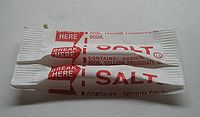
Image source: Single-serving salt packets. Wikipedia, GNU Free Documentation License.

Monday, April 19, 2010

Different types of kidney transplantation - Mayo Clinic video


"Dr. Raymond Heilman, Medical Director of the Kidney Transplant Program of Mayo Clinic in Arizona, gives an overview on the different types of kidney transplantation, including living donor and paired donor exchanges, and explains what kidney donors can expect."

Friday, March 26, 2010

Water as an essential nutrient

Water has numerous roles in the human body:

- building material
- solvent
- reaction medium and reactant
- carrier for nutrients and waste products
- thermoregulation
- lubricant and shock absorber

The regulation of water balance is very precise, as a loss of 1% of body water is usually compensated within 24 hours.

Healthy adults regulate water balance with precision, but young infants and elderly people are at greater risk of dehydration.

Dehydration can affect consciousness and can induce speech incoherence, extremity weakness, hypotonia of ocular globes, orthostatic hypotension and tachycardia.

Human water requirements are not based on a minimal intake because it might lead to a water deficit due to numerous factors that modify water needs (climate, physical activity, diet and so on). On an average, a sedentary adult should drink 1.5 l of water per day, as water is the only liquid nutrient that is really essential for body hydration.


From Wikipedia:

"Water" is a song which opened the Eurovision Song Contest in 2007. The singers explained the title: "Our folklore is like water. We've chosen this title "Water", because in Bulgarian folklore there are very slow beautiful songs, which are like a lake. But we also have songs, with very fast rhythm which are like a waterfall. And my wish is this song to be like "Water", a gasp of fresh air, for the human spirit and soul. When we recorded the promo video of this song, they poured lots of rain on us, and I felt purified. I want everyone, who hears this song to feel the same way- liberated. This is a very positive song! I'm sure that people will feel it!"

References:
Water as an essential nutrient: the physiological basis of hydration. E Jéquier1 and F Constant2. European Journal of Clinical Nutrition (2010) 64, 115–123; doi:10.1038/ejcn.2009.111; published online 2 September 2009.

Monday, February 1, 2010

Presentation: Fructose drives hyperuricemia and uric acid then causes hypertension

The following presentation is by the nephrologist Joel Topf who writes the blog PBFluids.com. The subject is how fructose drives hyperuricemia and how uric acid then causes hypertension.

He used the slidecast feature on slideshare (http://www.slideshare.net/faqs/slidecast), so the slides have a full audio track.

Uric Acid, Fructose and Hypertension

View more presentations from Joel Topf.

Tuesday, January 12, 2010

Nephrology

Editor: V. Dimov, M.D., Assistant Professor at the University of Chicago

Nephrology Cases at ClinicalCases.org

Nephrology News at CasesBlog

Nephrology: Images in Clinical Medicine

Patient Information

Follow us and connect:


Published: 01/12/2010
Updated: 06/28/2010

Wednesday, February 18, 2009

Elevated neutrophil gelatinase-associated lipocalin (NGAL) is a strong predictor of chronic kidney disease progression

Chronic kidney disease (CKD) has recently assumed epidemic proportion, becoming a troubling emerging cause of morbidity, especially if it progresses to terminal stage (ESRD).

The study authors aimed to evaluate whether neutrophil gelatinase-associated lipocalin (NGAL), a novel specific biomarker of acute kidney injury, could predict the progression of CKD.

Lipocalin. Image source: Wikipedia and Protein Data Bank, public domain.

The lipocalins are a family of proteins which transport small hydrophobic molecules such as steroids, retinoids, and lipids. Lipocalin proteins are involved in inflammation processes caused by immune system activation in mammals.

From Reuters:

"Elevated neutrophil gelatinase-associated lipocalin (NGAL) in urine and blood is a strong predictor of CKD progression. Massive amounts of NGAL are released from kidney tubular cells after various injuries to the kidney and
NGAL in the blood and urine was inversely, independently, and closely related to eGFR.

Blood concentrations of NGAL were 515.4 ng/mL in CKD patients compared with 35.4 ng/mL in a group of healthy controls. Patients with higher NGAL levels had a considerably increased risk of worsening kidney function within 1 year compared with those with lower NGAL levels.

Blood and urine levels of NGAL predicted a higher risk of chronic kidney disease progression regardless of eGFR levels or patient age.

NGAL may offer a "great new tool" for preventing the progression of kidney disease. Measurement in the blood and urine among CKD patients could help identify those most likely to develop worsening disease who should receive aggressive treatments."

References:
Protein predicts chronic kidney disease progression. Reuters.
Neutrophil Gelatinase-Associated Lipocalin (NGAL) and Progression of Chronic Kidney Disease. Clinical Journal of the American Society of Nephrology, 2009.
Neutrophil gelatinase-associated lipocalin (NGAL) as a biomarker for acute renal injury after cardiac surgery. Lancet. 2005 Apr 2-8;365(9466):1231-8.
Lipocalin - Wikipedia, the free encyclopedia.

Wednesday, January 21, 2009

Basketball Star Alonzo Mourning Reacts to Kidney Disease Diagnosis


Video: Alonzo Mourning Reacts to Kidney Disease Diagnosis

"Professional basketball player Alonzo Mourning remembers when he was diagnosed with a rare life-threatening kidney disease.

The diagnosis of focal segmental glomerulosclerosis came in 2000, a moment when Mourning felt "invincible" and "on top of the world."


A glomerulus is a capillary tuft surrounded by Bowman's capsule in nephrons of the vertebrate kidney. Image source: Wikipedia, public domain.

The individual components of the name "focal segmental glomerulosclerosis" refer to the appearance of the kidney tissue on biopsy: focal - only some of the glomeruli are involved (as opposed to diffuse), segmental - only part of an entire glomerulus is involved (as opposed to global), glomerulosclerosis - refers to scarring of the glomerulus (a part of the nephron (the functional unit of the kidney).

Alonzo Mourning underwent a successful kidney transplantation in 2003 and contributed to the The Miami Heat win of the 2006 NBA Championship.

References:
Alonzo Mourning, from Wikipedia, the free encyclopedia.
Focal segmental glomerulosclerosis, from Wikipedia, the free encyclopedia.

Thursday, November 20, 2008

New Medical Blog: Renal Fellow Network


Screenshot of Renal Fellow Network

Renal Fellow Network (http://renalfellow.blogspot.com) is "a website written for renal fellows by renal fellows with one new "Nephrology Teaching Point" posted on a daily basis.

It is a forum with the intention of making Nephrology fellowship everywhere a more educational experience."

The blog was started in April 2008 and most articles are signed by Dr. Nathan Hellman who also has a personal blog.

Nathan links to the Nephrology Cases section at Clinical Cases and Images.

I wish more fellows had the time, energy, and skills to maintain a specialty blog. Good luck to the founders in this new endeavor.

Update 02/15/2010:


RT @JoshuaSchwimmer: "Nathan Hellman, founder of the Renal Fellow Blog, has died. He was 36." http://ping.fm/LQKj9


References:
Nephrology Cases. Clinical Cases and Images.
Using a Blog to Build an Educational Portfolio
How to write a medical blog and not get fired?
Why Do I Blog?
A Doctor's Opinion: Why I Started Microblogging on Twitter
Why I Blog: Andrew Sullivan from The Atlantic Shares His Thoughts on Blogging

Tuesday, March 11, 2008

NYC Nephrologist Finds Google Book Search Useful

Dr. Joshua Schwimmer is a New York City nephrologist and an author of several interesting medical blogs: The Efficient MD, KidneyNotes and TechMedicine. I have enjoyed reading Joshua's posts for years and have picked up some very useful ideas from them. In this video post on the official Google Book Search blog, he explains how he used Book Search as a teaching aid while in the emergency department with a group of students and residents.


Dr. Schwimmer's newest blog is called InfoSnack and is here: http://infosnack.net

Related:
Build An Online Version of Your Library and Share It Via Google Books

Updated: 10/06/2010

Tuesday, February 26, 2008

Erythropoiesis-stimulating agents increase risk of death and blood clots in cancer patients

Widely used erythropoiesis-stimulating agents (ESA) for anemia treatment raise the risk of death among cancer patients by about 10%, according to a new meta-analysis published in JAMA. The study also found a 57% increase in the risk of venous thromboembolism, a known side effect of ESAs.

The findings raise concern about the safety of ESA administration to patients with cancer in addition to the concerns we already have about ESA use in CKD and ESRD patients.

In 2007, the FDA added a black box warning to the labels of all currently available ESA due to increase in serious side effects and greater number of deaths in patients treated with these agents.

References:
Correct Anemia in Chronic Kidney Disease Up To a Point
Death Risk Found From Anemia Drugs. NYTimes.
Venous Thromboembolism and Mortality Associated With Recombinant Erythropoietin and Darbepoetin Administration for the Treatment of Cancer-Associated Anemia. Charles L. Bennett at al. JAMA. 2008;299(8):914-924.
Image source: Wikipedia, public domain.

Friday, February 22, 2008

Attending rounds: How many "organ"-renal syndromes are recognized?

There are 3 "organ"-renal syndromes:

- Hepatorenal Syndrome (HRS) - development of renal failure in patients with advanced chronic liver disease, occasionally fulminant hepatitis, who have portal hypertension and ascites; 40% of patients with cirrhosis and ascites will develop HRS.

- Cardiorenal Syndrome - presentation of combined cardiac and renal dysfunction.

- Pulmonary-Renal Syndrome (PRS) - presentation of combined alveolar hemorrhage and glomerulonephritis.

Pulmonary-Renal Syndrome is the least well-recognized among the 3 syndromes. For example, it is not even listed under this name in the current edition of the "universal textbook of medicine" UpToDate (version 15.3). There is an old proverb: beware the man of a single book (homo unius libri).

Pulmonary-renal syndrome (PRS) is diffuse alveolar hemorrhage and glomerulonephritis occurring simultaneously. It sound like Goodpasture's syndrome which is logical since Goodpasture's is the prototype cause of PRS. Pulmonary-renal syndrome can can also be caused by SLE, Wegener's granulomatosis, microscopic polyangiitis, and other connective tissue diseases -- see the Merck Manual for a full list of causes of PRS.

References:

Acute decompensated heart failure: The cardiorenal syndrome. CCJM (PDF).
The Clinical Challenge of Cardiorenal Syndrome. Circulation, 2004.
Are You Dependent on UpToDate for Your Clinical Practice?
Cirrhosis - JAMA Patient Page, 2012.
Image source: Wikipedia, GNU Free Documentation License.

Saturday, February 2, 2008

Clinical Case: Accessory Renal Artery Stenosis

A 78 yo female with long standing HTN, HLP, PVD, CKD came to the hospital with uncontrolled BP and deterioration of renal function over a 12 months period.

Despite aggressive medical therapy, there was no improvement in her kidney function and blood pressure control.

What was the reason?


Accessory Renal Artery Stenosis

Read more in Accessory Renal Artery Stenosis – A Cause For Drug Refractory Hypertension on ClinicalCases.org.

The author of this case is Moises Auron, M.D. from Department of Hospital Medicine, Cleveland Clinic.

Tuesday, May 8, 2007

Shapiro's syndrome: Excessive sweating may cause renal failure

A 55-year-old male is admitted to the hospital with acute renal failure (ARF). He complains of generalized weakness, chills and excessive sweating.

His past medical history includes AFib, obesity, mild mental retardation and HTN.

During physical examination, all skin surfaces are wet and he is shivering under 4 blankets which are wet.

What is the cause for his ARF?

What are the typical finding seen on the MRI of the brain?

Read more on ClinicalCases.org: Acute renal failure due to hyperhidrosis secondary to Shapiro's syndrome.

Image source: Sweat, Shaylor's photostream, Creative Commons license. The image is not related and does not show the patient.

Wednesday, February 28, 2007

Nephrology Web Resources

Daniel Schwartz and Jordan Weinstein are two nephrologists from the Division of Nephrology at the University of Toronto who have launched a number of interesting medical education projects recently:

QxMD Nephrology for Blackberry
A medical calculator for "all MDs using the RIM Blackberry, not just Nephrologists." They are also developing QxMD Cardiology, QxMD Gastroenterology, QxMD Endocrinology, and QxMD General Medicine. All of them for Blackberry handhelds.

Nephrology Now
A free service to stay up to date with new developments in Nephrology: "Keeping up to date in Nephrology can be difficult - in fact, it has recently been shown that half of all evidence is published in non-renal journals. Each month, subscribers will receive a 'meta-journal' of the most important articles published in the field of Nephrology in the last month."

UKidney
"An Internet school of nephrology" with house staff manuals, copies of lecture slides, rounds, "YouTubule" videos, and more.

Nephrology Pearls
"Those trainees who sign up to Nephrology Pearls will receive an email each weekday that contains a clinical question and/or problem."

Links via KidneyNotes.
Image source: Wikipedia, GNU Free Documentation License.