Showing posts with label Dermatology. Show all posts
Showing posts with label Dermatology. Show all posts
Thursday, March 7, 2013
Common rashes - 2-minute video overview by a dermatologist for About.com
The whole playlist is here: Does it Itch? | Common Rashes & Skin Conditions - YouTube http://bit.ly/12k3vFB
Here are some helpful resources:
Rash diagnosis algorithm - NCEMI eTools http://bit.ly/WvZ5IU
Academic Life in Emergency Medicine: Paucis Verbis: Approach to rashes http://bit.ly/WvZ3B1
Related:
Acne Treatments | Skin Care - YouTube http://bit.ly/12k3zVP

Thursday, February 14, 2013
Do Tattoos Increase Your Risk Of Cancer?

Tattoos and skin cancer
The case for
Tattoos have been linked to an increased risk of infection as a result of breaking the skin, but some health experts believe that they also increase the risk of skin cancer. Dr DJS Tula, a consultant cosmetic surgeon at the BLK Hospital in Delhi, India, said that tattoos can increase the risk of blood-borne infections, including hepatitis B and C and HIV, as well as types of skin cancer including squamous cell, melanoma and carcinoma. Dr Tula added that having a tattoo does not mean that you are going to get skin cancer, but the risk is elevated because of the ink used to create the design.
Dr Tula also added that tattoos should never been done close to moles because they make it difficult for people to spot changes in the appearance of the mole, which are a common symptom of skin cancer.
Studies published in the USA have also prompted an investigation into the chemical make-up of tattoo ink by the US Food and Drug Administration. Studies showed that some of the chemicals, including black ink benzo(a)pyrene, have been found to cause skin cancer during animal testing.
The case against
In contrast, Dr Ariel Ostad, a dermatologist and surgeon from New York, said that skin experts have been researching the impact of tattoos on the skin for several years and there is no evidence to suggest that tattoos increase the risk of skin cancer. Research involving people who have the condition has not uncovered greater prevalence of skin cancer among people with tattoos and there is also no evidence to suggest that having a tattoo after receiving treatment for skin cancer increase the risk of relapse.
Dr Ostad did support Dr Tula's comments about avoiding tattoos close to moles, stating that tattoos can mask the visible changes in the skin, which may prevent skin cancer from being diagnosed early. Early diagnosis increases survival rates significantly. Dr Ostad's advice was to leave a suitable gap around any moles to ensure that any changes are clearly visible and can be identified without any trouble.
Risk factors for skin cancer
The most important risk factor for skin cancer is sun exposure. Research also suggests that people who have fair skin have a higher risk. If you are going outside, apply sun cream (if you have fair skin that burns easily use a high factor), wear a sun hat and avoid the hottest part of the day (between 11am and 3pm). Avoid using sun beds and tanning lamps, as these use powerful UV rays and increase your risk. If you want a healthy golden glow, use self-tanning products.
Caring for tattooed skin
According to the American Academy of Dermatology, newly tattooed skin is very sensitive and you should take extra care when bathing and going out in the sun. It is also important to keep an eye on your skin and to seek medical help if you notice irritation and rashes around the tattoo. The AAD also recommended avoiding moles when choosing a location for the new tattoo and seeing a dermatologist if you notice any changes in the skin around the tattoo.
The relationship between tattoos and skin cancer is unclear. Some experts believe that tattoo ink can increase one’s risk of the condition but then others say that there is no link Further research in this area is being carried out and new evidence may become available in the coming months or years to either refute or support the claim that tattoos increase the risk of cancer.
By Richard Keane
Thursday, January 24, 2013
Why would a person have pink sweat (chromhidrosis)?
 Pink sweat is typically due to chromhidrosis (colored sweat).
What is chromhidrosis?
Chromhidrosis is a rare condition characterized by the secretion of colored sweat. Approximately 10% of normal people have colored sweat (without chromhidrosis).
Two glands produce sweat:
- Eccrine glands secrete a clear, odorless fluid that regulates body temperature.
- Apocrine glands secrete a thick, milky sweat that, once broken down by bacteria, is the main cause of body odor (smell).
Which glands are responsible for chromhidrosis?
- Chromhidrosis is caused mainly by the apocrine glands. They are located in the genital, axillary, areolar, and facial skin. Chromhidrosis is reported only on the face, axillae, and breast areola.
- Eccrine chromhidrosis is rare and occurs with ingestion of certain dyes or drugs.
- Pseudochromhidrosis occurs when clear eccrine sweat becomes colored on the surface of the skin as a result of extrinsic dyes, paints, or chromogenic bacteria.
What is the pigment in chromhidrosis?
Lipofuscin is a yellowish brown pigment that is responsible for the colored sweat. Lipofuscin is produced in the apocrine glands, and its various oxidative states account for the characteristic yellow, green, blue, or black secretions in chromhidrosis.
Are any lab tests indicated?
No laboratory abnormalities are typically found in apocrine chromhidrosis. The following test may help to rule out other causes:
- complete blood cell count (CBC) to exclude bleeding diathesis
- urinary homogentisic acid levels to exclude alkaptonuria
- fungal and bacterial cultures to exclude infectious causes of pseudochromhidrosis
How to treat chromhidrosis?
Apocrine chromhidrosis has no cure. Patients can manually or pharmacologically empty the glands to remove the color for 48-72 hours (until the glands replenish the pigment).
Botox® injections have been attempted in chromhidrosis, with mixed results. Botox is predominantly used to decrease eccrine sweat in persons with hyperhidrosis.
Capsaicin cream (alkaloid found in chilly peppers) also can help.
References:
Chromhidrosis - Medscape http://bit.ly/UmhTXU
Facial and axillary apocrine chromhidrosis http://bit.ly/UmhV1Q
Treating Chromhidrosis - Discovery Health http://bit.ly/UmhVPE
Image source: Sweat, Shaylor's photostream, Creative Commons license. The image is not related and does not show a patient.
Comments from Twitter:
Laura VR Bertotto @LauraAtVMV: Botox has worked well for hyperhydrosis. This is interesting.
Dr. Claudia Aguirre @doctorclaudia: Interesting.
Wednesday, August 29, 2012
Rosacea - NHS Choices video
From NHS Choices YouTube channel: Rosacea is a common but poorly understood long-term skin condition that mainly affects the face. It most commonly affects fair-skinned people from northern Europe and is estimated to affect up to 1 in 10 people. In this video, an expert explains what rosacea is, the symptoms to look out for and the various treatments.
Cathelicidin dysfunction may be a central factor in the pathogenesis of several cutaneous diseases, including rosacea.
Cathelicidins are antimicrobial peptides (AMPs) that protect the skin through 2 pathways:
- antimicrobial activity
- cytokine release, inflammation, angiogenesis, and reepithelialization
Cathelicidin dysfunction may be a central factor in the pathogenesis of several cutaneous diseases, including rosacea.
Cathelicidins are antimicrobial peptides (AMPs) that protect the skin through 2 pathways:
- antimicrobial activity
- cytokine release, inflammation, angiogenesis, and reepithelialization
Monday, July 16, 2012
Hirsutism in women - literature review
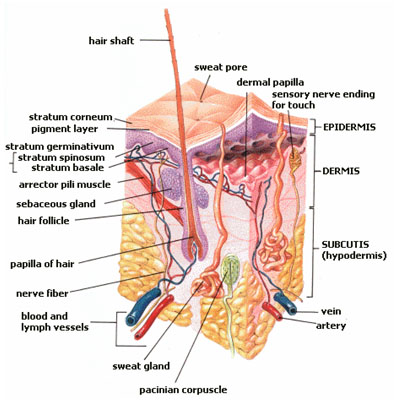 Here some excerpts from the 2012 review of hirsutism in women in the journal American Family Physician:
Hirsutism is excess terminal hair that commonly appears in a male pattern in women.
Although hirsutism is generally associated with hyperandrogenemia, 50% of women with mild symptoms have normal androgen levels.
Causes of hirsutism
The most common cause of hirsutism is polycystic ovary syndrome (PCOS), which accounts for 3 out of every 4 cases.
Many medications can also cause hirsutism.
In patients whose hirsutism is not related to medication use, evaluation is focused on testing for endocrinopathies and neoplasms, such:
- polycystic ovary syndrome (PCOS)
- adrenal hyperplasia
- thyroid dysfunction
- Cushing syndrome
- androgen-secreting tumors
Symptoms of hirsutism
Symptoms and findings suggestive of neoplasm include rapid onset of symptoms, signs of virilization, and a palpable abdominal or pelvic mass.
Patients without these findings who have mild symptoms and normal menses can be treated empirically.
For patients with moderate or severe symptoms, an early morning total testosterone level should be obtained, and if elevated, it should be followed by a plasma free testosterone level.
A total testosterone level greater than 200 ng per dL (6.94 nmol per L) should prompt evaluation for an androgen-secreting tumor.
Diagnosis of hirsutism
Laboratory workup may include:
- early morning total testosterone level
- plasma free testosterone level
- thyroid function tests
- prolactin level
- 17-hydroxyprogesterone level
- corticotropin stimulation test
Treatment of hirsutism
Treatment includes hair removal and pharmacologic measures.
Shaving is effective but needs to be repeated often. Evidence for the effectiveness of electrolysis and laser therapy is limited.
Laser treatment does not result in complete, permanent hair reduction, but it is more effective than other methods such as shaving, waxing, and electrolysis. It produces hair reduction for up to 6 months. The effect is enhanced with multiple treatments.
In patients who are not planning a pregnancy, first-line pharmacologic treatment should include oral contraceptives. Topical agents, such as eflornithine, may also be used.
Treatment response should be monitored for at least six months before making adjustments.
References:
Hirsutism in women. Bode D, Seehusen DA, Baird D. Am Fam Physician. 2012 Feb 15;85(4):373-80.
Management of Hirsutism (Excess Hair)
Image source: Skin layers. Wikipedia, public domain.
Monday, June 4, 2012
What you need to check on the sunscreen label
 Here are some simple tips for sunscreen selection and use from CNN:
- Use a sunscreen with a minimum of SPF 15 and a maximum of SPF 50. SPF 15 can block 93% of incoming UVB rays. SPF 30 blocks 97%. SPF 50 blocks 98%.
- Make sure labels list both UVA and UVB protection
You get exposed to both UVA and UVB light:
UVB light is the light that Burns (causes sunburn)
UVA light as the light that Ages the skin (wrinkles, etc.)
- Avoid products containing oxybenzone and retinyl palminate. They may get absorbed through the skin and may increase cancer risk
- Choose lotions versus spray sunscreens for a more evenly distribution
- Remember to apply at least 2 ounces of lotion (about a shot glass full). Reapply every 2 hours. Reapply after swimming or heavy sweating.
How to apply sunscreen - NHS video:
References:
Avoid sunscreens with potentially harmful ingredients, group warns. CNN, 2012.
How to avoid damaging ultraviolet light - CCJM launches "Patient Page" similar to JAMA
Image source: OpenClipArt.org, public domain.
Monday, May 28, 2012
About Sunscreen What You Need to Know

Last summer the U.S. Food and Drug Administration instituted new sunscreen label guidelines so consumers could clearly tell which ones offered the most protection. The new labeling was supposed to be in effect by this summer, but the FDA extended the deadline to December, as companies were having trouble complying.
Dermatologists say having the proper information is crucial when out in the summer sun.
"Wearing sunscreen and then deliberately going out in the sun is almost as [bad] as going out with no sunscreen at all," said Dr. Robin Ashinoff, chief of dermatologic and cosmetic surgery at Hackensack University Medical Center. "You don't get burned, but the UV rays are still getting into your skin. Sunscreen is important, but you should also wear the right clothing and shield yourself as much as possible from direct sun exposure."
Here are some tips from experts on how to properly use sunscreen and protect yourself from sun damage:
The difference between SPF 50 and SPF 100 is marginal; look for "broad spectrum" on the label.
"You should get the highest number you can, but anything above 50 and the difference is pretty slim," Ashinoff said. "But don't get anything less than SPF 30, as that offers minimal protection."
A broad spectrum sunscreen protects against both UV-A and UV-B rays. UV-A rays don't necessarily cause a visible burn (that's what UV-B rays do), but they penetrate deep into the skin and can damage the collagen in your skin as well as your immune system, Ashinoff said.
No sunscreen is waterproof or sweatproof.
One of the new FDA guidelines is that no sunscreen can be labeled as "sweatproof" or "waterproof," because it's misleading and overstates the effectiveness of the product.
"There are no sunscreens that work after someone swims," said Dr. Naana Boakye of Bergen Dermatology in Englewood Cliffs. "You still need to reapply it every two hours, if you're in the water or not."
Many sunscreens in stores still have the "waterproof" and "sweatproof" labels, and their makers don't have to change the labels until December, when sunscreen will be the last thing on anyone's mind.
Light-colored clothes don't protect you from UV rays any better than dark-colored clothes, but tightly woven fabrics will block out more rays.
"This offers more protection than a looser, airy garment," Boakye said. "But wearing any kind of protective clothing out in the sun is better than nothing."
Tightly woven fabrics include canvas, twill and denim, as opposed to loosely woven fabrics like mesh and crepe.
You can still get sunburned even if it's cloudy outside.
In fact, cloudy days are when you can get more severe sunburn, especially if you're extremely fair-skinned.
"I see the worst sunburns in the spring because it's still not full summer sun and people think they don't need to be using sunscreen," Ashinoff said. "If you're out in full sun or not, you should be applying about 2 ounces of sunscreen, about the size of a shot glass, over your exposed skin."
Get a thorough skin care exam every year, even if skin cancer doesn't run in your family.
Even if moles don't dot your skin or if you tan easily and don't burn, dermatologists still stress the importance of regular skin checks.
People with fair skin, light eyes, a lot of moles and a family history of melanoma are more at risk for developing skin cancer. Also, those taking certain medications like antibiotics and diuretics are more susceptible to sun damage.
"I usually advise people to come in once a year if there's no history," Boakye said. "But if you have a lot of moles or have a history of melanoma, then you should be getting checked every three to six months."
BY: ERINN CONNOR
Thursday, May 10, 2012
Dermatology Art Contest by Mayo Clinic shows that art can be seen in every aspect of life
A Mayo Clinic dermatology art contest shows beauty really is skin deep. From Mayo Clinic News blog:
A hair follicle or skin specimen that doesn’t look like much of anything to the naked eye can become a complex, colorful work of art under a microscope. The winner of the Mayo dermatologists’ first art contest in 2011 was “Hair Follicle Triplet”. Alexander Meves, M.D., used fluorescent dyes to highlight proteins. The inaugural winners of the art contest appeared in the May issue of the Journal of Cutaneous Pathology.
“Every single day, dermatopathologists get to see beautiful images under the microscope, and most people never have the opportunity to see that. So I thought it would be a nice way to show not only the science of dermatopathology, but also the art,” says the contest’s creator, Dr. Lehman, a Mayo Clinic dermatopathologist.
Dr. Lehman hopes medical societies will run with the idea and hold similar competitions to highlight aesthetics in their specialties. People in other lines of work can also celebrate the beauty of what they do each day, she says.
Editor's note: Allergists should do something similar. We already highlight beautiful pollen allergens on the monthly covers of the ACAAI journal.
“Art can be seen in every aspect of life,” Dr. Lehman says. “You just have to have an open mind and be looking for it.”
References
Dermatology Art Shows Beauty Really Is Skin Deep. Mayo Clinic News.
A hair follicle or skin specimen that doesn’t look like much of anything to the naked eye can become a complex, colorful work of art under a microscope. The winner of the Mayo dermatologists’ first art contest in 2011 was “Hair Follicle Triplet”. Alexander Meves, M.D., used fluorescent dyes to highlight proteins. The inaugural winners of the art contest appeared in the May issue of the Journal of Cutaneous Pathology.
“Every single day, dermatopathologists get to see beautiful images under the microscope, and most people never have the opportunity to see that. So I thought it would be a nice way to show not only the science of dermatopathology, but also the art,” says the contest’s creator, Dr. Lehman, a Mayo Clinic dermatopathologist.
Dr. Lehman hopes medical societies will run with the idea and hold similar competitions to highlight aesthetics in their specialties. People in other lines of work can also celebrate the beauty of what they do each day, she says.
Editor's note: Allergists should do something similar. We already highlight beautiful pollen allergens on the monthly covers of the ACAAI journal.
“Art can be seen in every aspect of life,” Dr. Lehman says. “You just have to have an open mind and be looking for it.”
References
Dermatology Art Shows Beauty Really Is Skin Deep. Mayo Clinic News.
Wednesday, November 30, 2011
Hirsutism or Excess Hair
From NHS Choices YouTube channel: Hirsutism causes excess hair growth in women, such as on the face and chest. An expert explains the causes or hirsutism, treatments such as hair-removal and cosmetic techniques, and where to go for help if you're worried about excess hair growth.
The Cleveland Clinic Journal of Medicine published an Update on the management of hirsutism in 2010:
Hirsutism is a source of significant anxiety in women. While polycystic ovary syndrome (PCOS) or other endocrine conditions are responsible for excess androgen in many patients, other patients have normal menses and normal androgen levels (“idiopathic” hirsutism).
The finding of polycystic ovaries on ultrasound is not required for the diagnosis of polycystic ovary syndrome (PCOS). Gonadotropin-dependent ovarian hyperandrogenism is believed to cause PCOS. However, mild adrenocorticotropic-dependent adrenal hyperandrogenism also is a feature in many cases.
Even women with mild hirsutism can have elevated androgen levels, and thus, they may benefit from a laboratory evaluation.
Laser treatment does not result in complete, permanent hair reduction, but it is more effective than other methods such as shaving, waxing, and electrolysis. It produces hair reduction for up to 6 months. The effect is enhanced with multiple treatments. Interestingly, a portable laser hair removal device is currently available from Amazon (this post is not a recommendation or endorsement of the product).
References:
Update on the management of hirsutism. Cleveland Clinic Journal of Medicine June 2010 vol. 77 6 388-398.
A home hair removal laser device is available without prescription from Amazon.com (not a recommendation to buy any product, see the link below). A similar device is available from Costco.
Friday, August 26, 2011
Vitiligo: Robert's story
From NHS Choices YouTube channel:
Robert, 19, was diagnosed with vitiligo (loss of skin colour) when he was eight. He describes how the condition spread, how it first affected his confidence, and his treatment.
Persistent Sexual Side Effects Related to Finasteride (Popecia) Use for Male Hair Loss
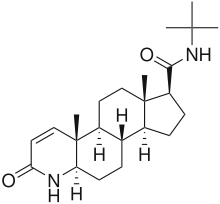 Finasteride (Propecia) has been associated with reversible adverse sexual side effects in multiple trials for the treatment of male pattern hair loss (MPHL).
This study included 71 otherwise healthy men aged 21–46 years who reported new onset of sexual side effects associated with the temporal use of finasteride, and in which the symptoms persisted for 3 months despite the discontinuation of finasteride.
Patients reported the following new-onset persistent sexual dysfunction associated with the use of finasteride:
- 94% developed low libido
- 92% developed erectile dysfunction
- 92% developed decreased arousal
- 69% developed problems with orgasm
The mean duration of finasteride use was 28 months and the mean duration of persistent sexual side effects was 40 months from the time of finasteride cessation to the interview date.
Physicians treating MPHL should discuss the potential risk of persistent sexual side effects associated with finasteride

Minoxodil - Costco.
References:
Persistent Sexual Side Effects of Finasteride for Male Pattern Hair Loss. Michael S. Irwig MD, Swapna Kolukula. The Journal of Sexual Medicine, 2011.
Tuesday, August 23, 2011
Management of Hirsutism (Excess Hair)
Hirsutism is a source of significant anxiety in women. While polycystic ovary syndrome (PCOS) or other endocrine conditions are responsible for excess androgen in many patients, other patients have normal menses and normal androgen levels (“idiopathic” hirsutism).The finding of polycystic ovaries on ultrasound is not required for the diagnosis of polycystic ovary syndrome (PCOS). Gonadotropin-dependent ovarian hyperandrogenism is believed to cause PCOS. However, mild adrenocorticotropic-dependent adrenal hyperandrogenism also is a feature in many cases.
Even women with mild hirsutism can have elevated androgen levels, and thus, they may benefit from a laboratory evaluation.
Laser treatment does not result in complete, permanent hair reduction, but it is more effective than other methods such as shaving, waxing, and electrolysis. It produces hair reduction for up to 6 months. The effect is enhanced with multiple treatments. Interestingly, a portable laser hair removal device is currently available from Amazon (this post is not a recommendation or endorsement of the product).
References:
Update on the management of hirsutism. Cleveland Clinic Journal of Medicine June 2010 vol. 77 6 388-398.
Image source: Skin layers. Wikipedia, public domain.
A home hair removal laser device is available without prescription from Amazon.com (not a recommendation to buy any product, see the link below). A similar device is available from Costco.
Thursday, August 11, 2011
Basal Cell Carcinoma - Mayo Clinic Video
Jerry Brewer, M.D., Mayo Clinic dermatologist, describes the common form of skin cancer, basal cell carcinoma.
Monday, July 25, 2011
How to apply sunscreen
NHSChoices: An expert explains why it is important to protect your skin from sunburn to help avoid skin cancer. She also gives advice on how to apply sunscreen correctly and what to look out for when buying sunscreen.
You get exposed to both UVA and UVB light:
- UVB light is the light that Burns (causes sunburn)
- UVA light as the light that Ages the skin (wrinkles, etc.)
There is 8-10% increase in sun exposure for every 1,000 feet of elevation. In the summertime, you can get anywhere from 40-50% greater sun intensity than at sea level
Related reading:
Only 25% of Children Wear Sunscreen Regularly. WebMD, 2012.
Related reading:
Only 25% of Children Wear Sunscreen Regularly. WebMD, 2012.
Thursday, October 28, 2010
Stelara (ustekinumab) and Remicade (infliximab) are effective if Enbrel (etanercept) stops working in psoriasis
 About 7.5 million Americans suffer from psoriasis, a lifelong disorder characterized by inflammation of skin and, often, the joints.
Stelara, Remicade, and Enbrel are all biologics -- drugs made of genetically engineered proteins -- that are generally used to treat patients who aren't responding to traditional therapies such as light therapy and methotrexate.
Remicade and Enbrel both block tumor necrosis factor-alpha (TNF-alpha), a chemical produced by immune cells that fuels inflammation, much like gas on a fire. Stelara targets two proteins, interleukin 12 and interleukin 23, that also drive the inflammatory process.
References:
Study Shows Stelara and Remicade Are Both Effective if Enbrel Stops Working. WebMD, 2010.
Ustekinumab is a Strong Option for Moderate to Severe Psoriasis - anti-IL12/23 monoclonal antibody with NNT of 2 http://goo.gl/gbXSJ
Image source: Crystal structure of human IL-12, Wikipedia, public domain.

Monday, August 16, 2010
Non-surgical Baldness Treatments Rated Ineffective by Most Patients
Only 27% of men who used Propecia (finasteride) said it was “very” effective. Finasteride is a 5-alpha reductase inhibitor used to treat prostate enlargement symptoms and baldness. Finasteride has 2 trade names: Propecia for baldness and Proscar for BPH.Over-the-counter minoxidil (Rogaine) is applied directly to the scalp and is the only hair regrowth drug approved for use by women. Just 4% of respondents said it was very effective, with 43% of users saying it was not effective at all.
Only 2% of men surveyed underwent hair transplants; but of these, 49% were either very or completely satisfied with the results of their surgery, the poll shows.
Minoxodil at Costco.
References:
Survey: Most Baldness Treatments Don't Work. WebMD.
Widely used baldness drug finasteride (Propecia) boosts hair growth in men, but 1 in 80 may develop ED http://goo.gl/6lmd
Survey: Most Baldness Treatments Don't Work. WebMD.
Widely used baldness drug finasteride (Propecia) boosts hair growth in men, but 1 in 80 may develop ED http://goo.gl/6lmd
Experts Answers on Alopecia and Hair Loss - NYTimes.com http://goo.gl/Oplfw
Drugs that "shrink prostate" and treat baldness (5-alpha-reductase inhibitors) may have sexual side effects that persist after stopping them, WebMD, 2011.
The Search for a Baldness Cure: Vitamin D to Coax Dormant Follicles to Grow Hair http://goo.gl/82s4a
The Search for a Baldness Cure: Vitamin D to Coax Dormant Follicles to Grow Hair http://goo.gl/82s4a
Image source: Finasteride, Wikipedia, public domain.

Comments from Facebook:
"Ah... so you are supposed to rub it on the scalp... I've been drinking it all these years, no wonder it has had no effect"
Friday, July 9, 2010
Sunscreen with high SPF needed at high altitudes: 8-10% increase in sun exposure for every thousand feet of elevation
Golfers playing in Vail, Colorado, at 2500 meters (roughly 8200 feet) above sea level, got significantly more burn protection from sunscreen with a sun protection factor (SPF) of 70+ compared to one with an SPF of 15.
There is 8-10 percent increase in sun exposure for every thousand feet of elevation. In the summertime, you can get anywhere from 40 percent to 50 percent greater sun intensity than at sea level.
References:
Sunscreen with high SPF needed at high altitudes, Reuters.
There is 8-10 percent increase in sun exposure for every thousand feet of elevation. In the summertime, you can get anywhere from 40 percent to 50 percent greater sun intensity than at sea level.
References:
Sunscreen with high SPF needed at high altitudes, Reuters.
Study confirms sunscreen prevents melanoma http://goo.gl/16Vqd
Can You Get Sunburned Through a Car Window? http://goo.gl/M7Fwv - No, but penetrating UVA rays may be related to left-sided skin cancers.
Related:
Melanoma - JAMA Patient Page illustrates the ABCDE of diagnosis, 2011.
Image source: Amazon, for illustration only, not a suggestion to buy any products.
Only 25% of Children Wear Sunscreen Regularly. WebMD, 2012.
Only 25% of Children Wear Sunscreen Regularly. WebMD, 2012.
Sunday, May 9, 2010
Eating chocolate with high flavanol levels can protect the skin from UV light
 Cocoa beans fresh from the tree are exceptionally rich in flavanols. Unfortunately, during conventional chocolate making, this high antioxidant capacity is greatly reduced due to manufacturing processes.
The researchers evaluated the photoprotective potential of chocolate consumption, comparing:
- conventional dark chocolate
- specially produced chocolate with preserved high flavanol (HF) levels.
A double-blind in vivo study in 30 healthy subjects was conducted, 15 subjects were randomly assigned to either a high flavanol (HF) or low flavanol (LF) chocolate group and consumed a 20 g portion of their allocated chocolate daily.
The minimal erythema dose (MED) was assessed at baseline and after 12 weeks.
In the high flavanol (HF) chocolate group the mean MED more than doubled after 12 weeks of chocolate consumption, while in the LF chocolate group, the MED remained without significant change.
The authors concluded that regular consumption of a chocolate rich in flavanols confers significant photoprotection and can thus be effective at protecting human skin from harmful UV effects. However, conventional chocolate has no such effect.
Video: Chocolate Rain by Tay Zonday.
References:
Eating chocolate can significantly protect the skin from UV light. Williams S, Tamburic S, Lally C. J Cosmet Dermatol. 2009 Sep;8(3):169-73.
Link via @DrShock.
Photo Essay: Making Chocolate in Belize http://goo.gl/2DPi
Chocolate linked to substantial reduction in risk of cardiometabolic disorders but evidence not of best quality. BMJ, 2011.
Image source: Wikipedia.
Related:
Chocolate linked to substantial reduction in risk of cardiometabolic disorders but evidence not of best quality. BMJ, 2011.
Image source: Wikipedia.
Related:
Thursday, March 18, 2010
Times have changed
@ConanOBrien:
http://twitpic.com/17lx53 - I no longer have health care. Could someone show this to a dermatologist and get back to me?
@pyknosis:
@pyknosis:
I'm a hematologist, not a dermatologist, but looking at that, I give you 7 months. Don't worry. That's a really long time.
That's just good humor, as Happy Hospitalist likes to say.
Thursday, July 31, 2008
Angioedema: a 24-hour photo diary by a patient posted on Flickr

Angioedema: a 24-hour photo diary by a patient posted on Flickr
The patient took pictures of herself and uploaded them to the photo sharing website Flickr under a Creative Commons license. She had the impression her symptoms were due to urticaria but since the process affects the subcutaneous tissues (note the upper lip edema), the more likely diagnosis is angioedema and urticaria.
Dr Heinrich Quincke first described the clinical picture of angioedema in 1882, hence the eponym Quincke's edema. Sir William Osler remarked in 1888 that some cases may have a hereditary basis; he coined the term hereditary angio-neurotic edema.

C1 protein, showing subunits C1r, C1s, and the C1q tails. Image source: Wikipedia. Patients with acquired angioedema have low C1q levels AND low C4/C2 levels. In contrast, in hereditary angioedema (HAE) the C1q level is normal.


Classical and alternative complement pathways. Image source: Wikipedia.
Read more about Angioedema at AllergyCases.org.
Link via AllergyNotes.
Subscribe to:
Posts (Atom)