Showing posts with label Procedures. Show all posts
Showing posts with label Procedures. Show all posts
Thursday, May 22, 2008
Ultrasound-guided Central Line Placement: Embed Several Videos in One Frame
Video: Ultrasound-guided Central Line Placement
Google Docs is a free web-based word processor, spreadsheet, and presentation application.
You can include YouTube videos, images, and text captions into slides to condense and display a “deck” of graphical content in a concise format in your posts.
For example, instead of publishing several videos on one page, you can insert videos and pictures in an embedded presentation slideshow -- see the example above.
I picked the topic of Ultrasound-guided Central Line Placement because this modality is of proven efficacy and safety but is still underutilized. A colleague of mine and I published a A Step-by-Step Procedure Guide with Photos for Central Line Placement with Ultrasound Guidance in an attempt to popularize the approach. A free PDA version of this procedure guide is available from MeisterMed.
References:
Multiple-size Embedded Presentations from Google Docs. Blogger Buzz.
Central Line Placement with Ultrasound Guidance: A Step-by-Step Procedure Guide with Photos
Central Line Placement: A Step-by-Step Procedure Guide with Photos
Ultrasound Guided Vascular Access (USGVA)
SiteRite Video
Ultrasound-guided Central line insertion

Thursday, April 17, 2008
Next Phase in Procedure Training: Wireless, Sweating, Breathing, Bleeding Mannequin
| Live from ShowCASE: iStan |
Chris Seper of the Cleveland Plain Dealer continues his excellent coverage of the annnual Case Western Reserve University Research ShowCASE:
"Meet iStan, a wireless, sweating, breathing, bleeding training mannequin on display at the Case Western Reserve University Research ShowCASE. It's used at the Mt. Sinai Skills and Simulation Center, and is slowly deploying nationwide."
I am proud to be part of the event -- we are presenting a total of 6 posters this year.
Do not forget to check our own procedure guides for central line placement and thoracentesis. They are richly illustrated with full-size photos with captions. The procedure guides are completely free and can be downloaded to a smartphone or a PDA, or accessed through Picasa Mobile on the go.

Screenshot of Thoracentesis - A PDA Procedure Guide from MeisterMed.
References:
Case Western Reserve University ShowCASE to Highlight Research Projects - Web 2.0 Included
Central Line Placement: A Step-by-Step Procedure Guide with Photos
Thoracentesis: A Step-by-Step Procedure Guide with Photos
Procedure Guides Step-by-Step
Free Procedure Guides for Pocket PC/Windows Mobile and Palm
Saturday, August 11, 2007
Procedure Videos: Venipuncture
Preparation for Venipuncture
Performing Venipuncture
Uploaded by Slyswami.
Related:
Peripheral Intravenous Cannulation. NEJM Video in Clinical Medicine, 11/2008.
Bevel Dow. Musings of a Dinosaur.
Why I Do Blood Draws. Musings of a Dinosaur.
Updated: 06/022/2009
Thursday, June 28, 2007
What to do if you lose a guide wire during central line placement?
 I was discussing central line placement complications with medical students a few days ago. Some of them are illustrated with horrifying details in the NEJM.
"What should you do if you lose a guide wire during central line placement?", I asked.
"We could use a strong magnet to pull it out", one of the students suggested.
Well, not really.
You should call interventional radiology immediately and the radiologist will extract the wire under fluoroscopic guidance by using another wire to hook up and pull out the lost one.
A few examples of different approaches to extract lost guide wires are listed in the British Journal of Anaesthesia.
We have published free illustrated step-by-step procedure guides to central placement with and without ultrasound. The guides are available as web pages and Windows Mobile/Palm downloads.
References:
Central Line Placement: A Step-by-Step Procedure Guide with Photos
Loss of the guide wire: mishap or blunder? British Journal of Anaesthesia, 2002, Vol. 88, No. 1 144-146.
Lost guide wire during central venous cannulation and its surgical retrieval. Kumar S, Eapen S, Vaid VN, Bhagwat AR. Indian J Surg 2006;68:33-34.
Image source: Wikipedia, public domain.

Further reading:
Lost Guide Wire. Radiology Picture of the Day.
A Big Time Mistake. Ten out of Ten: My experiences as an ER doc, 02/2008.
Wednesday, May 30, 2007
Emded Procedure Slideshows from Google Photos
Google Photos (currently named Picasa Web Albums) added Flash slideshows which can be embedded in web sites. This new feature is demonstrated with some of our procedure guides below. You can choose the photo size: from small (144 px) to extra-extra large (800 px).
Thoracentesis: A Step-by-Step Procedure Guide with Photos
Central Line Placement: A Step-by-Step Procedure Guide with Photos
Central Line Placement with Ultrasound Guidance: A Step-by-Step Procedure Guide with Photos
Update 06/26/2007:
Picasa Web has a mobile version and map locations.
Online Photo Sharing in Plain English
References:
Picasa Web Albums introduces embeddable Flash slideshows. DownloadSquad.com.
Put your photos on a map, and Picasa on your phone. Official Google Blog, 06/2007.
Updated: 02/02/2008
Thoracentesis: A Step-by-Step Procedure Guide with Photos
Central Line Placement: A Step-by-Step Procedure Guide with Photos
Central Line Placement with Ultrasound Guidance: A Step-by-Step Procedure Guide with Photos
Update 06/26/2007:
Picasa Web has a mobile version and map locations.
Online Photo Sharing in Plain English
References:
Picasa Web Albums introduces embeddable Flash slideshows. DownloadSquad.com.
Put your photos on a map, and Picasa on your phone. Official Google Blog, 06/2007.
Updated: 02/02/2008
Sunday, March 4, 2007
Free Procedure Guides for Pocket PC/Windows Mobile and Palm
Two years ago, a colleague of mine and I made several procedure guides illustrating central line placement and thoracentesis with step-by-step photos:Central Line Placement - A Procedure Guide
Central Line Placement with Ultrasound Guidance - A Procedure Guide
Thoracentesis - A Procedure Guide
These photo guides proved very popular and are currently used for teaching purposes by residents at Cleveland Clinic and Case Western Reserve University/St. Vincent, and are linked in Wikipedia among several other web sites.
Eight months ago, I got an email from Andrew Schechtman, a Clinical Instructor at Stanford University School of Medicine and the founder of MeisterMed, a popular PDA portal for medical references. Andrew wanted to know if I was interested in adapting the procedure photo guides to PDA and distributing them for free. The original idea behind the guides was that they should be free and used by residents and physicians all over the world, and his suggestion to adapt them for PDA fitted that idea perfectly. I thought about it but somehow never found the time to do it.
Anyway, the procedure guides for PDA are now available for free from MeisterMed:
Central Line Placement (with and without ultrasound guidance).

A Chapter in MeisterMed's Procedure Series for PDA.
V. Dimov, B. Altaqi, 2/20/2007.
Click to download (size: 3.7 MB).
Thoracentesis.
A Chapter in MeisterMed's Procedure Series for PDA.
V. Dimov, B. Altaqi, 2/20/2007.
Click to download (size: 1.6 MB)
The guides themselves are free but they need the iSilo program for Pocket PC/Windows Mobile or Palm to work. The full version of iSilo is required to see the images beyond the trial period and that version costs $ 19. The guides are just like Microsoft Word documents -- you need to have MS Word installed on your computer in order to see the documents. Similarly, you need iSillo installed on your PDA to be able to see the photo guides.
Procedure guides are part of the MeisterMed Procedure Series which will be adding more titles in the near future.
Friday, January 19, 2007
Central Line Placement Videos on YouTube
The videos below show "practical tips and tricks for central line placement in the ED." ClinicalCases.org has our own step-by-step procedure guides with photos:
Central Line Placement - Procedure Guide
Central Line Placement with Ultrasound Guidance - Procedure Guide
Without a doubt, videos are better than still photos in many ways. Photos have the advantage of being able to see clearly what is going on though. It is similar to comparing Flickr to YouTube (or Google Video) -- both are needed for a complete visual experience.
Central Line Placement, Part 1
Central Line Placement, Part 2
Central Line Placement, Part 3
Central Line Placement, Part 4
Central Line Placement, Part 5
Link via JTF wiki.
References:
Central Venous Catheterization: Concise Definitive Review. Medscape, Critical Care Medicine, 05/16/2007 (free registration required).
BioMed Central's You Tube channel: videos from BioMed Central's authors and editors, 09/2007.
NEJM Videos in Clinical Medicine. These are high-quality professional videos but they require a subscription to NEJM:
Central Venous Catheterization - IJ vein
Central Venous Catheterization - Subclavian Vein
Central Line
Related:
YouTube as a Source of Health Misinformation. Highlight HEALTH 2.0, 02/2008.
YouTube as a source of information on immunization: a content analysis. Keelan et al. JAMA. 2007 Dec 5;298(21):2482-4.
Updated: 02/06/2008
Central Line Placement - Procedure Guide
Central Line Placement with Ultrasound Guidance - Procedure Guide
Without a doubt, videos are better than still photos in many ways. Photos have the advantage of being able to see clearly what is going on though. It is similar to comparing Flickr to YouTube (or Google Video) -- both are needed for a complete visual experience.
Central Line Placement, Part 1
Central Line Placement, Part 2
Central Line Placement, Part 3
Central Line Placement, Part 4
Central Line Placement, Part 5
Link via JTF wiki.
References:
Central Venous Catheterization: Concise Definitive Review. Medscape, Critical Care Medicine, 05/16/2007 (free registration required).
BioMed Central's You Tube channel: videos from BioMed Central's authors and editors, 09/2007.
NEJM Videos in Clinical Medicine. These are high-quality professional videos but they require a subscription to NEJM:
Central Venous Catheterization - IJ vein
Central Venous Catheterization - Subclavian Vein
Central Line
Related:
YouTube as a Source of Health Misinformation. Highlight HEALTH 2.0, 02/2008.
YouTube as a source of information on immunization: a content analysis. Keelan et al. JAMA. 2007 Dec 5;298(21):2482-4.
Updated: 02/06/2008
Thursday, June 22, 2006
Clinical Procedure Guides on Picasa Web: Step-By-Step Photos
 I have just moved the three procedures guides we created to Picasa Web Albums:
Central Line Placement - Procedure Guide
Central Line Placement with Ultrasound Guidance - Procedure Guide
Thoracentesis - Procedure Guide
Picasa Web works great: it resizes the images automatically to fit the monitor size and pre-fetches them so that the slideshows load faster. Our previous host, Webshots, used to place too many banner ads around the images but I chose it over Flick because it offered a larger resolution of the slideshows.
Andrew Schechtman of MeisterMed contacted me last week with the suggestion to create a free PDA guide for clinical procedures. I hope that this project is completed soon.
Of course, our slideshows cannot compete with the excellent professional NEJM videos but this is not the goal. The idea is to help any health care worker anywhere in the world by offering a quick reference guide to refresh the memory about a certain procedure before performing it. In our informal surveys, many residents at the Cleveland Clinic and Case Western/St. Vincent find the guides very helpful.
Unfortunately, NEJM recently removed their procedures videos from the free area of the website and started to charge $ 10 per video.
Update 06/26/2007:
Picasa Web has a mobile version and map locations.
References:
Procedure Skills and ACLS Refresher
Put your photos on a map, and Picasa on your phone. Official Google Blog, 06/2007.
Friday, March 31, 2006
Is Physical Examination Useless?
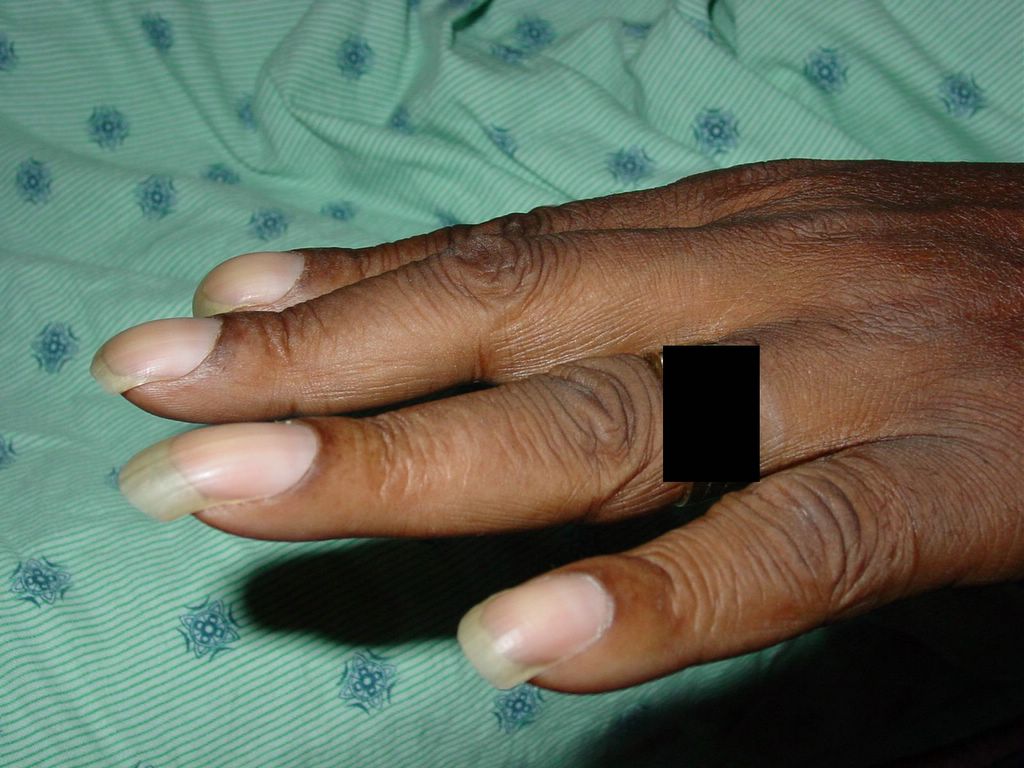 There has been a lot of discussion in the medical blogs recently about the usefulness (or lack) of physical examination.
I personally think that physical exam is very important but when "the HMOs force physicians to care for a maximum number of patients, in a minimum number of minutes for the lowest number of dollars" something has to give...
One of the comments on KevinMD says that clearly: "Why do I have the feeling this guy never had to see 40 patients a day at 15-minutes per encounter... I bet his physical exams would leave a lot to be desired at that rate."
Anyway, if you want to refresh your skills, you can review this large collection of free physical examination videos organized by body system.
Update 3/23/2007:
Dr. Wes comments on "Procedural Darwinism":
Take the stethoscope, for instance. It is rapidly succumbing to Procedural Darwinism. If it weren’t for the stethoscopes ability to hear breath sounds, it would have been extinct long ago. The echocardiogram is far superior to “hear” heart sounds, and adds procedural survival protection by providing additional size, structure, and functional information regarding the heart with little pain or toxicity to the patient. The echo also reimburses well.
Further reading:
Hyposkillia. Deficiency of Clinical Skills. Herbert L. Fred, MD, MACP. Tex Heart Inst J. 2005; 32(3): 255–257.
Comments about deficiency of clinical skills. Retired doc's thoughts.
Declining clinical skills. Notes from Dr. RW.
An old-timer bemoans the demise of the physical exam, or hyposkillia. KevinMD.
The Danger of Being "Too Fast"
In defense of clinical skills. Notes from Dr. RW.
What does the evidence say about clinical skills? Notes from Dr. RW.
Time, Now, to Recover the Fun in the Physical Examination Rather Than Abandon It. Arch Intern Med. 2006;166:603-604.
Imagine: Physical Exam Can Save Lives. Dr. Wes, 08/2007.
The Physical Exam Can Be Pretty Important, Part 2. Dr. Val and The Voice of Reason, 03/2008.
Mourning the loss of basic clinical skills. Notes from Dr. RW, 2009.
Updated: 09/09/2009
Saturday, November 26, 2005
How to confirm a nasogastric tube (NGT) placement? By CXR or KUB?
Case scenario:
A 65-year-old Caucasian female (CF) has a new-onset dysphagia secondary to stroke. The speech therapist did a swallow evaluation and found out that the patient is at high risk for aspiration even with soft mechanical diet and honey-thick liquids. She recommended placing a fine-bore feeding tube, Isocal HN with a goal of 90 ml/hr and a repeat swallow evaluation in 3-4 days.
The patient understands and agrees. You have just placed a Corpak tube and tested its postion by pushing 30 cc of air through the tube.
How to confirm the nasogastric tube (NGT) placement? By CXR or KUB?
NGT placement is confirmed by CXR. It is important to see that the NGT is below the diaphragm. One JAMA report concluded that the traditional physical examination-based methods of assessing proper NGT placement are inadequate when applied to the small-bore tubes (for example, Corpak). Only a CXR can assure placement in the stomach.
Why not KUB? What are the complications of NGT placement?
Most of the important complications of NGT placement are related to penetrating the esophagus or passing the tube in the trachea and bronchi. Occasionally, an NGT can penetrate the brain. These misplacements will not be shown on the abdominal x-ray (KUB) and the consequences can be deadly:
In 2000, a 78 year old patient died after she was fed through an NGT which was wrongly placed. The prosecutor case was that the junior doctor had been asked by nurses to look at an x-ray that would have shown that the tube was protruding into a lung and had given the go ahead for feeding to start. When the patient was fed, the food passed into her lung, and she died from acute pneumonia (Source: BMJ 2003).
Examples of NGT misplacement:

NGT in right main bronchus. Report of KUB/Abdomen - portable: A Corpak feeding tube is in place with the tip extending into the right mainstem bronchus. The staff was aware and the feeding tube had been pulled. There is no bowel obstruction.
This X-ray clearly shows why NGT placement should be confirmed with CXR. KUB almost missed the NGT tip.
NGT is too high, in the esophagus and above the diaphragm, not in the stomach. This placement is associated with high risk for aspiration. The NGT must be advanced further down and the new placement should be confirmed with a CXR.
Some important things to remember:

- Measure the expected lenght to reach the stomach (the suggested method is shown here, image source: CPEM.org)
- Sit the patient upright, if possible
- Flex the neck a little. This is just the opposite of the neck extension which is essential for tracheal intubation. In NGT placement you want to avoid the tracheal intubation. This is the reason for flexing the neck.
- Never force the NGT, it should go down smoothly. Ask the patient to swallow.
- Read more about the procedure in the references listed below
If you are not sucessful in placing an NGT on the first attempt, do not despair. Ask somebody (a senior colleague) to help you. Even Dr. Genes, the founder of the online Grand Rounds, had trouble passing a NGT as an intern.
References
Nasogastric Intubation. NEJM Videos in Clinical Medicine.
Pneumothorax complicating small-bore feeding tube placement - JAMA 3/1991
Thoracic complications of nasogastric tube: review of safe practice - Interact CardioVasc Thorac Surg 2005
Nasogastric tube insertion - Department of Emergency Medicine, University of Ottawa
Junior doctor is cleared of manslaughter after feeding tube error - BMJ 2003
The accidental introduction of the nasogastric tube into the brain. Case report. Acta Chir Scand. 1978
Blueprints Clinical Procedures - Google Book Search
Handbook of Gastroenterologic Procedures - Google Book Search
Core Clinical Skills: How to Succeed in Osces in Medicine - Google Book Search
Practical Procedures (PDF, 500 kb) - FleshandBones.com
Insert a Nasogastric Tube - Naval Medical Center, Portsmouth
Assessing placement of feeding tubes. Am J Nurs. 2001 May (subscription required)
Procedure guidelines: Nasogastric intubation with tubes using an introducer
Insertion of NGT - ICU Procedure Manual - medicineau.net.au
Nasogastric Intubation - MedicineClinic.org
Practical procedures - WHO
Insertion and management of fine bore feeding tubes - Leeds Hospital
Doctors feed Pope by nasal tube - BBC News
Read more about dysphagia and diets - ahrq.gov, cedwvu.org, gicare.com
Image source: CPEM.org
A 65-year-old Caucasian female (CF) has a new-onset dysphagia secondary to stroke. The speech therapist did a swallow evaluation and found out that the patient is at high risk for aspiration even with soft mechanical diet and honey-thick liquids. She recommended placing a fine-bore feeding tube, Isocal HN with a goal of 90 ml/hr and a repeat swallow evaluation in 3-4 days.
The patient understands and agrees. You have just placed a Corpak tube and tested its postion by pushing 30 cc of air through the tube.
How to confirm the nasogastric tube (NGT) placement? By CXR or KUB?
NGT placement is confirmed by CXR. It is important to see that the NGT is below the diaphragm. One JAMA report concluded that the traditional physical examination-based methods of assessing proper NGT placement are inadequate when applied to the small-bore tubes (for example, Corpak). Only a CXR can assure placement in the stomach.
Why not KUB? What are the complications of NGT placement?
Most of the important complications of NGT placement are related to penetrating the esophagus or passing the tube in the trachea and bronchi. Occasionally, an NGT can penetrate the brain. These misplacements will not be shown on the abdominal x-ray (KUB) and the consequences can be deadly:
In 2000, a 78 year old patient died after she was fed through an NGT which was wrongly placed. The prosecutor case was that the junior doctor had been asked by nurses to look at an x-ray that would have shown that the tube was protruding into a lung and had given the go ahead for feeding to start. When the patient was fed, the food passed into her lung, and she died from acute pneumonia (Source: BMJ 2003).
Examples of NGT misplacement:
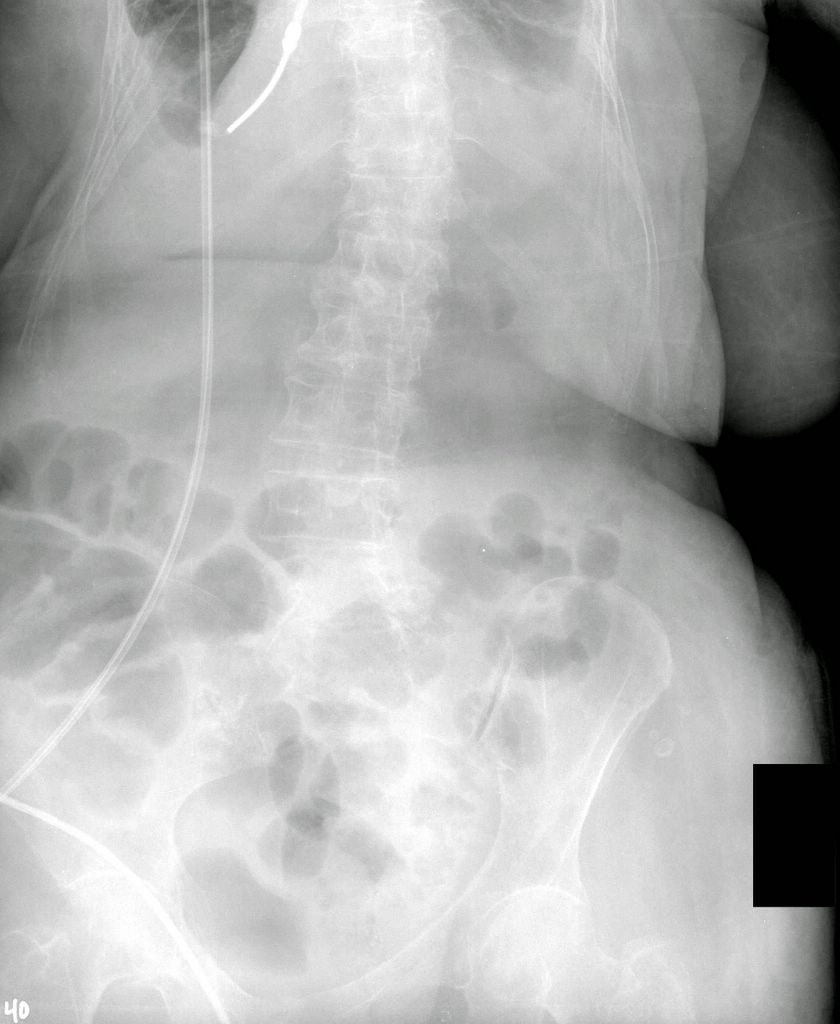
NGT in right main bronchus. Report of KUB/Abdomen - portable: A Corpak feeding tube is in place with the tip extending into the right mainstem bronchus. The staff was aware and the feeding tube had been pulled. There is no bowel obstruction.
This X-ray clearly shows why NGT placement should be confirmed with CXR. KUB almost missed the NGT tip.
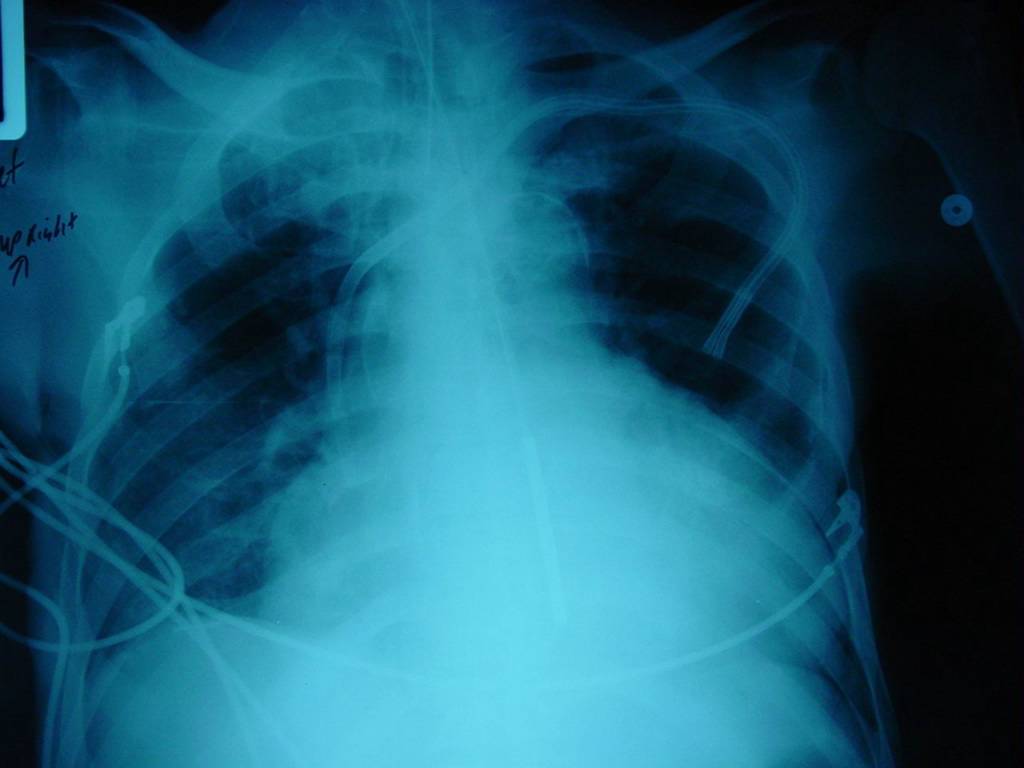
NGT is too high, in the esophagus and above the diaphragm, not in the stomach. This placement is associated with high risk for aspiration. The NGT must be advanced further down and the new placement should be confirmed with a CXR.
Some important things to remember:
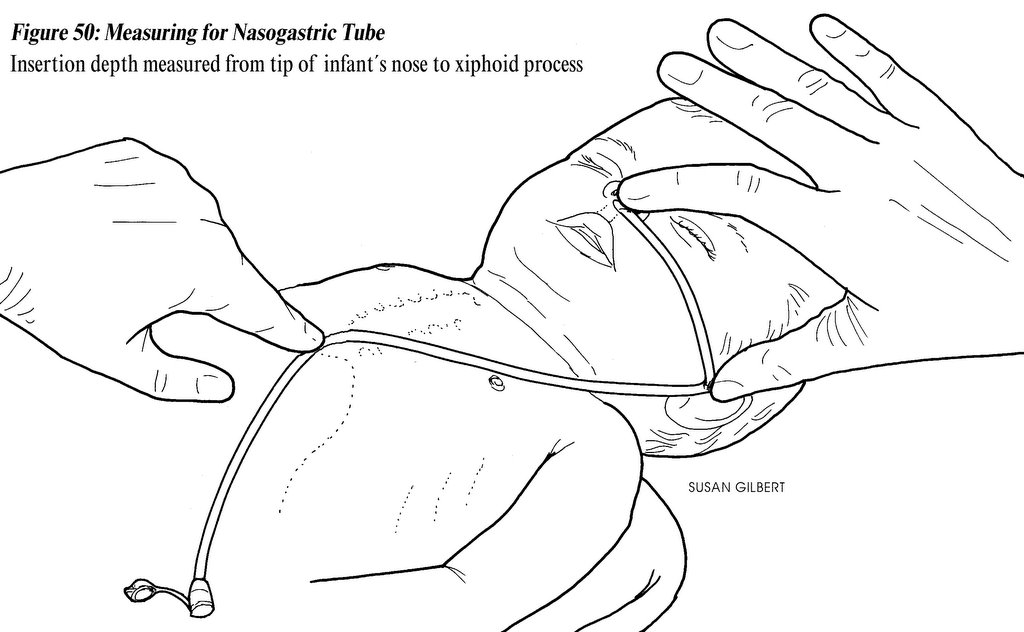
- Measure the expected lenght to reach the stomach (the suggested method is shown here, image source: CPEM.org)

- Sit the patient upright, if possible
- Flex the neck a little. This is just the opposite of the neck extension which is essential for tracheal intubation. In NGT placement you want to avoid the tracheal intubation. This is the reason for flexing the neck.
- Never force the NGT, it should go down smoothly. Ask the patient to swallow.
- Read more about the procedure in the references listed below
If you are not sucessful in placing an NGT on the first attempt, do not despair. Ask somebody (a senior colleague) to help you. Even Dr. Genes, the founder of the online Grand Rounds, had trouble passing a NGT as an intern.
References
Nasogastric Intubation. NEJM Videos in Clinical Medicine.
Pneumothorax complicating small-bore feeding tube placement - JAMA 3/1991
Thoracic complications of nasogastric tube: review of safe practice - Interact CardioVasc Thorac Surg 2005
Nasogastric tube insertion - Department of Emergency Medicine, University of Ottawa
Junior doctor is cleared of manslaughter after feeding tube error - BMJ 2003
The accidental introduction of the nasogastric tube into the brain. Case report. Acta Chir Scand. 1978
Blueprints Clinical Procedures - Google Book Search
Handbook of Gastroenterologic Procedures - Google Book Search
Core Clinical Skills: How to Succeed in Osces in Medicine - Google Book Search
Practical Procedures (PDF, 500 kb) - FleshandBones.com
Insert a Nasogastric Tube - Naval Medical Center, Portsmouth
Assessing placement of feeding tubes. Am J Nurs. 2001 May (subscription required)
Procedure guidelines: Nasogastric intubation with tubes using an introducer
Insertion of NGT - ICU Procedure Manual - medicineau.net.au
Nasogastric Intubation - MedicineClinic.org
Practical procedures - WHO
Insertion and management of fine bore feeding tubes - Leeds Hospital
Doctors feed Pope by nasal tube - BBC News
Read more about dysphagia and diets - ahrq.gov, cedwvu.org, gicare.com
Image source: CPEM.org
Tuesday, October 4, 2005
Medical Students Practice Procedures on Robots
The robot is breathing and reacts when you perform procedures. There is a blood-like liquid when you attempt a venipuncture. You can see the results of your heroic CPR actions in real time. No, this is not science fiction but a regular practice session at the Autonomus University's school of medicine in Mexico City, which is the largest in Latin America.
There are 24 robotic patients and a computer program that simulates illnesses ranging from diabetes to a heart attack.
One of the medical students admits every new student's fear: "I would feel nervous if this was a real patient. With this I can practice many times."
The story was reported by AP, Reuters and ABC but I like the Medgadget coverage the best. The guys who keep that blog running are doing a good job - today I was searching for a new type of wound treatment, called EpiFLO, and Medgadget was the number two hit on Google.
Medgadget links to the Mexico City's UNAM University web page (translated to English with Google). We use the same translation tool on this blog.
The Case School of Medicine is working on a Medical Simulation Lab (pdf). The team has a blog on blog.case.edu.
References:
Northeast Ohio medical students get to practice on lifelike simulators. The PlainDealer, 04/2007.
There are 24 robotic patients and a computer program that simulates illnesses ranging from diabetes to a heart attack.
One of the medical students admits every new student's fear: "I would feel nervous if this was a real patient. With this I can practice many times."
The story was reported by AP, Reuters and ABC but I like the Medgadget coverage the best. The guys who keep that blog running are doing a good job - today I was searching for a new type of wound treatment, called EpiFLO, and Medgadget was the number two hit on Google.
Medgadget links to the Mexico City's UNAM University web page (translated to English with Google). We use the same translation tool on this blog.
The Case School of Medicine is working on a Medical Simulation Lab (pdf). The team has a blog on blog.case.edu.
References:
Northeast Ohio medical students get to practice on lifelike simulators. The PlainDealer, 04/2007.
Friday, June 10, 2005
Central Line Placement - Procedure Guide
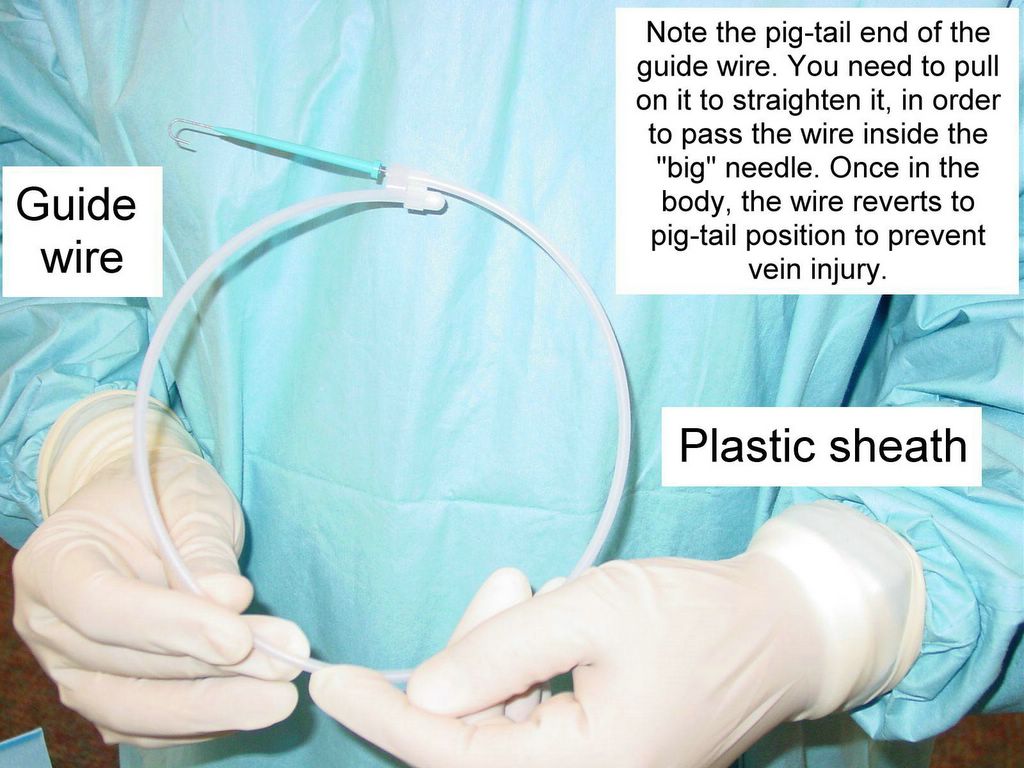
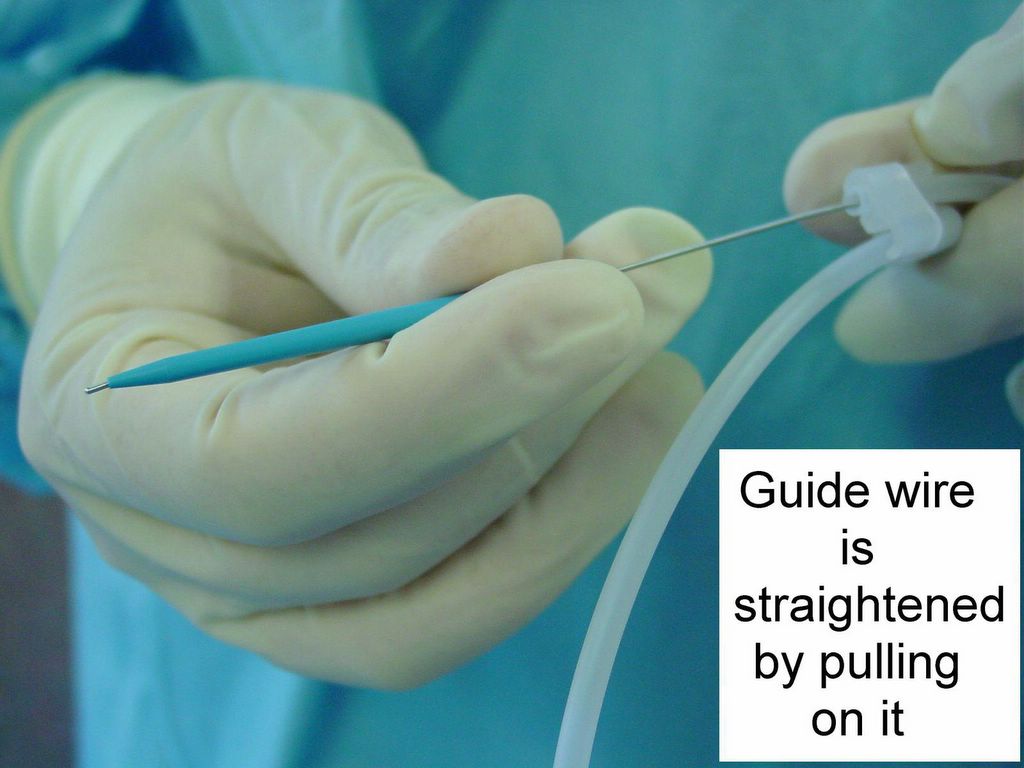
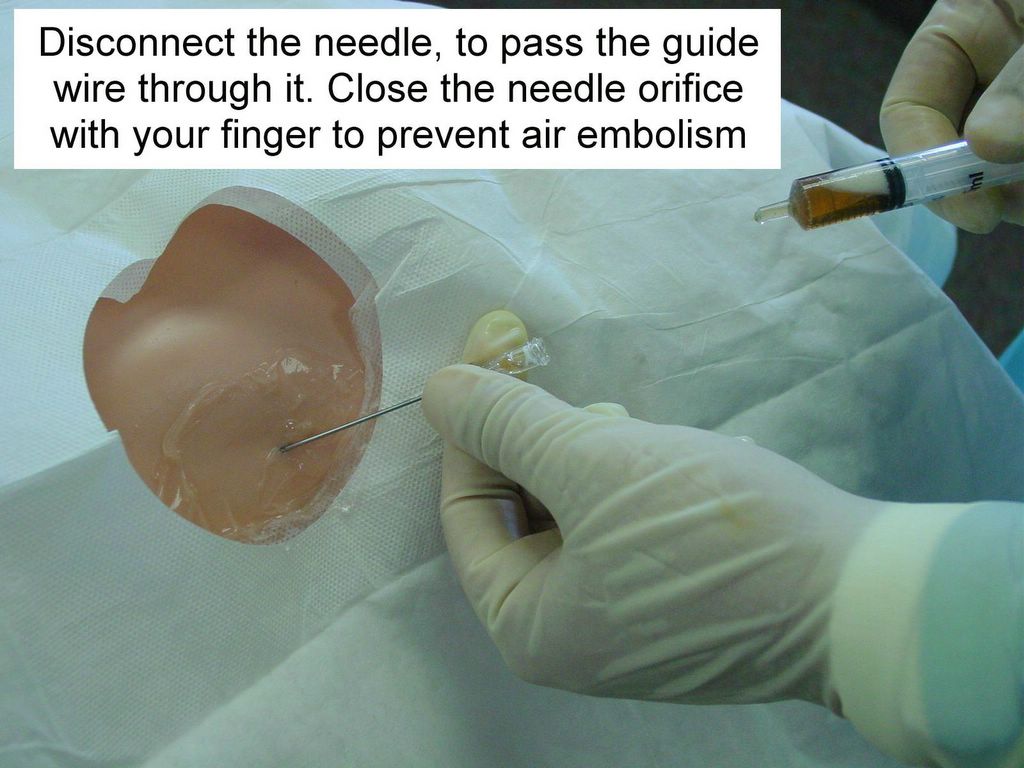
Samples of illustrations
Read more on Clinical Notes:
Central Line Placement: A Step-by-Step Procedure Guide with Photos
Central Line Placement with Ultrasound Guidance: A Step-by-Step Procedure Guide with Photos
More procedures:
Thoracentesis: A Step-by-Step Procedure Guide with Photos
Paracentesis: A Step-by-Step Procedure Guide
Further reading:
NEJM Videos in Clinical Medicine
These are high-quality professional videos but they require a subscription to NEJM:
Central Venous Catheterization - IJ vein
Central Venous Catheterization - Subclavian Vein
Central Line
Updated: 12/12/2007
Subscribe to:
Posts (Atom)