Resource Sammobile, citing unofficial sources, said the list of devices Samsung, which will be updated to the most recent at the time of OS Android - 4.2.2, as well as yet unannounced Android - 5.0 (Key Lime Pie).
Meanwhile, the source notes that perhaps this is not a definitive list, and it can later be changed.
It became known that devices such as Galaxy S II and Galaxy Note (released in 2011 on Android 2.3), receive the latest OS Android 4.2.2. Few manufacturers provide similar support for their devices - as long as such devices are awarded only Nexus.
The new version of the operating system Android 5.0 Key Lime Pie, which will be presented in the Google I / O, will be available only for 5 devices. In particular, Android 5.0 will be: Tablet Galaxy Note 8.0 and Galaxy Note 10/01 , smartphones Galaxy S III and Galaxy S4, and planshetofon Galaxy Note II .
In this device the average issued in 2012-2013, will run on Android 4.2 with the Value Pack (set of soft-chips from Android 5.0).
The list of devices Samsung , which will get Android 5.0:
GT-N5100 - Galaxy Note 8.0
GT-N5105 - Galaxy Note 8.0 LTE
GT-N5110 - Galaxy Note 8.0 Wi-Fi
GT-N7100 - Galaxy Note II
GT-N7105 - Galaxy Note II LTE
GT-N8000 - Galaxy Note 10.1
GT-N8005 - Galaxy Note 10.1 LTE
GT-N8010 - Galaxy Note 10.1 Wi-Fi
GT-I9300 - Galaxy S III
GT-I9305 - Galaxy S III LTE
GT-I9500 - Galaxy S4
GT-I9505 - Galaxy S4 LTE
The list of devices that will receive Android 4.2.2:
GT-I8190 - Galaxy S III mini
GT-I9100 - Galaxy S II
GT-I9105 - Galaxy S II Plus
GT-I9080 - Galaxy Grand
GT-I9082 - Galaxy Grand DUOS
GT-S6312 - Galaxy Young DUOS
GT-S6810 - Galaxy Fame
GT-S7710 - Galaxy X Cover 2
GT-I9260 - Galaxy Premier
GT-N7000 - Galaxy Note
GT-I8730 - Galaxy Express
GT-S6310 - Galaxy Young
Showing posts with label 4G LTE. Show all posts
Tuesday, March 19, 2013
Thursday, February 28, 2013
Features of Apple iPhone 5 16GB
The iPhone 5 was launched across India on 2nd November, 2012. The new edition was launched very soon after the last launch in the iPhone series. This iPhone earned its fame for homing the 6th generation of iOS which has since received an upgrade to the iOS 6.1. The iPhone 5, in true Apple style comes with a host of improvements over its predecessor that the company has been consistent about.
It comes in three versions of inbuilt memory - the 8, 16 and 32GB. We are about to do a review of the 16GB version of the iPhone 5.
Design
It has a very compact candy bar design. Its slim and tall dimensions of 4.87 x 2.31 x 0.30 inches are further enhanced with a body weight of mere 112 grams. The phone is 18% thinner and 20% lighter than the iPhone 4S. The phone is similar in looks to its predecessors except for the back which is made of anodized aluminium with ceramic inlays (on the white and silver model) or pigmented glass (on the black and slate model) on both ends of the phone.
Display
The iPhone 5 received half an inch raise in display size offering users a 4 inches LED-backlit IPS LCD capacitive touch screen with display size of 640 x 1136 pixels. The device has more length but retains the width of the previous iPhones. It has the retina display that was introduced with the 4S, which offers high pixel density of 326 ppi. The dimensions allow users to view more data on a single page.
Processor & RAM
The iPhone 5 has a 1.2GHz dual core Apple A6 processor with 1GB of RAM. Apple claims that the A6 chipset is twice as fast as the A5 chips that were built in the previous iPhones, also offering better graphic experience. The chip size is also 20% smaller, allowing the company to reduce the body size of the device. With these features, the phone promises a fast browsing experience. The absence of a quad core processor is likely to raise some eyes though.
Operating System
The iPhone 5 comes with iOS 6 in the box and the new update of iOS 6.1 has recently been released which can be installed into the device. The iOS 6.1 comes with over 200 new applications including enhancements added to the existing applications. Some of the features include LTE support for more carriers, enhancements for Siri app, downloading individual songs from iCloud, a new Maps app and much more.
Camera
It has an 8MP rear camera with autofocus and LED flash which records videos at 1080 pixels. There is a 1.2 MP front camera that is useful for video calling. The front camera also has HD video recording facility, which means FaceTime can be done with HD video calls. The iPhone 5 also has a new feature called the Panorama Mode which allows users to take multiple photos at a time which are then stitched together to give panoramic photo. besides this the camera also offers features such as Back-illuminated sensor (BSI), Auto focus, Touch to focus, Digital image stabilization, Face detection, Geo tagging, High Dynamic Range (HDR) mode.
Memory & Battery
The phone comes in two other versions beside the 16GB version we are discussing. The Apple phones have never really offered the memory expansion provision externally. This is a major drawback of Apple phones. Also, users cannot use the entire 16GB of memory available; about 4GB of the 16GB is untouchable.
It's built with a 1,440mAh battery offering up to 8 hours talk time and 225 hours on standby on both 2G and 3G connections.
Verdict
The iPhone 5 version 16GB is different from the other two versions only in terms of the memory space available, the rest of the features remain same. It is a really great device with beautiful looks and features. Also add to it all the latest Apple features, be it the processor, camera or design. The device is available at a price of around Rs. 45,000.
Author Info
The Author of this post is Julia. She wrote several tech posts for 91mobiles.com. It is the one stop destination for comparing mobile phones. You can view detail features and specs of Apple iPhone 5 and avail best low price.
It comes in three versions of inbuilt memory - the 8, 16 and 32GB. We are about to do a review of the 16GB version of the iPhone 5.
Design
It has a very compact candy bar design. Its slim and tall dimensions of 4.87 x 2.31 x 0.30 inches are further enhanced with a body weight of mere 112 grams. The phone is 18% thinner and 20% lighter than the iPhone 4S. The phone is similar in looks to its predecessors except for the back which is made of anodized aluminium with ceramic inlays (on the white and silver model) or pigmented glass (on the black and slate model) on both ends of the phone.
Display
The iPhone 5 received half an inch raise in display size offering users a 4 inches LED-backlit IPS LCD capacitive touch screen with display size of 640 x 1136 pixels. The device has more length but retains the width of the previous iPhones. It has the retina display that was introduced with the 4S, which offers high pixel density of 326 ppi. The dimensions allow users to view more data on a single page.
Processor & RAM
The iPhone 5 has a 1.2GHz dual core Apple A6 processor with 1GB of RAM. Apple claims that the A6 chipset is twice as fast as the A5 chips that were built in the previous iPhones, also offering better graphic experience. The chip size is also 20% smaller, allowing the company to reduce the body size of the device. With these features, the phone promises a fast browsing experience. The absence of a quad core processor is likely to raise some eyes though.
Operating System
The iPhone 5 comes with iOS 6 in the box and the new update of iOS 6.1 has recently been released which can be installed into the device. The iOS 6.1 comes with over 200 new applications including enhancements added to the existing applications. Some of the features include LTE support for more carriers, enhancements for Siri app, downloading individual songs from iCloud, a new Maps app and much more.
Camera
It has an 8MP rear camera with autofocus and LED flash which records videos at 1080 pixels. There is a 1.2 MP front camera that is useful for video calling. The front camera also has HD video recording facility, which means FaceTime can be done with HD video calls. The iPhone 5 also has a new feature called the Panorama Mode which allows users to take multiple photos at a time which are then stitched together to give panoramic photo. besides this the camera also offers features such as Back-illuminated sensor (BSI), Auto focus, Touch to focus, Digital image stabilization, Face detection, Geo tagging, High Dynamic Range (HDR) mode.
Memory & Battery
The phone comes in two other versions beside the 16GB version we are discussing. The Apple phones have never really offered the memory expansion provision externally. This is a major drawback of Apple phones. Also, users cannot use the entire 16GB of memory available; about 4GB of the 16GB is untouchable.
It's built with a 1,440mAh battery offering up to 8 hours talk time and 225 hours on standby on both 2G and 3G connections.
Verdict
The iPhone 5 version 16GB is different from the other two versions only in terms of the memory space available, the rest of the features remain same. It is a really great device with beautiful looks and features. Also add to it all the latest Apple features, be it the processor, camera or design. The device is available at a price of around Rs. 45,000.
Author Info
The Author of this post is Julia. She wrote several tech posts for 91mobiles.com. It is the one stop destination for comparing mobile phones. You can view detail features and specs of Apple iPhone 5 and avail best low price.
Wednesday, February 27, 2013
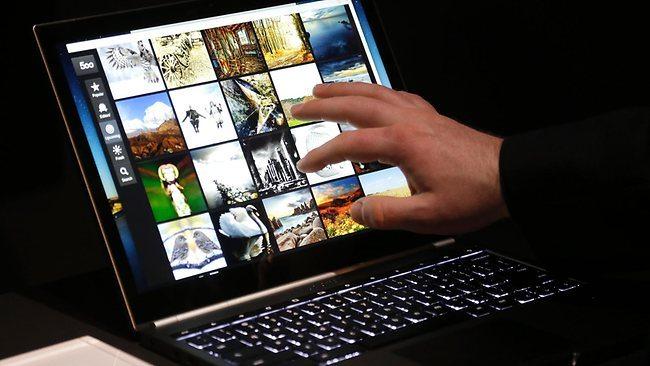
Google Introduces Chrome-based Touch Screen Laptop
Google's Chrome OS is still a small player in the PC market, unlike Android's dominance of mobile. However, the search giant is making moves to improve its position. This month it has revealed the first touch screen Chromebook, but is it any good?
Touches Of Chrome
More and more modern laptops are taking advantage of touchscreen technology in order to help this traditional portable PC form factor take the fight to the booming tablet market.
Microsoft's Windows 8 operating system (OS) is explicitly designed to work well in a touch-based technological environment, although even this latest offering from one of the world's largest companies is having a tough time holding onto the market share established by its forebears.
Google has the smartphone and tablet industries wrapped up with the finger-friendly Android, but it remains a very minor player when it comes to the laptop market.
Here its Chrome OS is facing an uphill struggle to convince consumers that it is worth picking over Windows or Apple's OS X, largely because it is based almost entirely in web connectivity and the cloud, which renders it almost useless if you happen to lack broadband at home.
Google is hoping to convince people that Chrome OS is still a viable alternative with the introduction of a new Chromebook device that is already being compared with Apple's MacBook Air.
The new laptop is known as the Pixel, which is a reference to the fact that its touchscreen display has allegedly been endowed with the highest pixel density of any portable PC currently on the market.
Google's Linus Upson helped to reveal the Pixel and said that it has a ppi rating of 239. That is not quite as impressive as the iPhone 5's 326ppi, but of course users will not be holding the Pixel quite so close to their faces.
The screen is also of course touch sensitive, which is why Upson went all out in promoting the tactile intuitiveness of the Chrome OS when interacted with via fingers rather than a keyboard and mouse.
Users can swipe between open applications, change tabs on the browser and generally engage with most aspects of the OS without having to use anything else other than their digits.
The screen measures 12.85 inches across the diagonal and has a native resolution of 2560x1700, whilst its Gorilla Glass surface gives its a premium glossy finish and should also make it durable, which is important for something that is going to constantly come into contact with a user's hands.
The Pixel is powered by an Intel Core i5 processor and uses solid state storage to keep everything running quickly, as well as minimising boot times.
Connectivity is also impressive, with both Wi-Fi and 4G LTE antennas housed within its slender chassis.
Laptops with touch screens still have a long way to go if they are going to fight back against tablet rivals, so this Chromebook still has a lot to prove.
AUTHOR BIO
Maria is a blogger and tech specialist who reports for a number of outlets both online and off. She has used touch screens for PC interaction for many years and is pleased to see OS platforms finally adapting to fit in with tactile advances made by hardware manufacturers.
Touches Of Chrome
More and more modern laptops are taking advantage of touchscreen technology in order to help this traditional portable PC form factor take the fight to the booming tablet market.
Microsoft's Windows 8 operating system (OS) is explicitly designed to work well in a touch-based technological environment, although even this latest offering from one of the world's largest companies is having a tough time holding onto the market share established by its forebears.
Google has the smartphone and tablet industries wrapped up with the finger-friendly Android, but it remains a very minor player when it comes to the laptop market.
Here its Chrome OS is facing an uphill struggle to convince consumers that it is worth picking over Windows or Apple's OS X, largely because it is based almost entirely in web connectivity and the cloud, which renders it almost useless if you happen to lack broadband at home.
Google is hoping to convince people that Chrome OS is still a viable alternative with the introduction of a new Chromebook device that is already being compared with Apple's MacBook Air.
The new laptop is known as the Pixel, which is a reference to the fact that its touchscreen display has allegedly been endowed with the highest pixel density of any portable PC currently on the market.
Google's Linus Upson helped to reveal the Pixel and said that it has a ppi rating of 239. That is not quite as impressive as the iPhone 5's 326ppi, but of course users will not be holding the Pixel quite so close to their faces.
The screen is also of course touch sensitive, which is why Upson went all out in promoting the tactile intuitiveness of the Chrome OS when interacted with via fingers rather than a keyboard and mouse.
Users can swipe between open applications, change tabs on the browser and generally engage with most aspects of the OS without having to use anything else other than their digits.
The screen measures 12.85 inches across the diagonal and has a native resolution of 2560x1700, whilst its Gorilla Glass surface gives its a premium glossy finish and should also make it durable, which is important for something that is going to constantly come into contact with a user's hands.
The Pixel is powered by an Intel Core i5 processor and uses solid state storage to keep everything running quickly, as well as minimising boot times.
Connectivity is also impressive, with both Wi-Fi and 4G LTE antennas housed within its slender chassis.
Laptops with touch screens still have a long way to go if they are going to fight back against tablet rivals, so this Chromebook still has a lot to prove.
AUTHOR BIO
Maria is a blogger and tech specialist who reports for a number of outlets both online and off. She has used touch screens for PC interaction for many years and is pleased to see OS platforms finally adapting to fit in with tactile advances made by hardware manufacturers.
Wednesday, March 7, 2012
Apple's New iPad, It's Faster and Screen Is Better
Apple just announced the newest iPad, which will be called the iPad, and not the iPad 3 or iPad HD or iPad: Eddie Bauer Edition or with any other modifier. The big hits: it's got a better screen ("better" in this case meaning Apple has stolen all the pixels in the world and crammed them into the new iPad), a faster processor, an optional 4G LTE chip, and some software updates.
So the big news here is the screen resolution, which is bonkers. At 2048 x 1536 pixels, it has significantly more pixels than not just the old iPad, but also your 1080p HDTV and just about any other "HD" screen you've got lying around. Apple's again referring to it as a "Retina Display," which means that you won't be able to see pixels with your bare, weakened, organic eyeballs, at least from the 15-inch distance Apple estimates most people have between their eyes and their iPads. (Note: Apple is clearly excluding cats, which have more sensitive eyes and sit closer to the iPad anyway. This is offensive, probably.) That'll mean every publisher is going to have to re-do their apps for the new resolution, the same way they had to for the transition from the iPhone 3GS to the iPhone 4.
Also included: a new processor, dubbed the A5X, that provides quad-core power. The Tegra 3, which powers a few Android tablets, is also quad-core, but Apple needs the power to burn through the kinds of apps that will take advantage of the new display. Plus there's a 4G LTE antenna, either for AT&T or Verizon, which is pretty great--we're totally impressed by LTE, so it's great to see it here. And Apple has presumably worked some kind of gypsy magic to keep the battery life steady at 10 hours for Wi-Fi and nine hours for 4G--we've seen LTE absolutely slaughter battery life in phones, but hopefully Apple's worked that out.
Oh, and the company also announced a new Apple TV! Seems like basically just a firmware upgrade, though it's not clear if older Apple TVs will get it. There's a new version of the software, some nice bonuses like being able to use iCloud for 1080p movie streaming, and shows available the next day for purchase. No Siri, though, which bums us out because we spent all morning dreaming about how sweet that'd be.
The iPad and Apple TV both maintain pricing: iPad starts at $500, moving up from there due to storage and 4G inclusion, and the Apple TV costs $100.
By Dan Nosowitz
So the big news here is the screen resolution, which is bonkers. At 2048 x 1536 pixels, it has significantly more pixels than not just the old iPad, but also your 1080p HDTV and just about any other "HD" screen you've got lying around. Apple's again referring to it as a "Retina Display," which means that you won't be able to see pixels with your bare, weakened, organic eyeballs, at least from the 15-inch distance Apple estimates most people have between their eyes and their iPads. (Note: Apple is clearly excluding cats, which have more sensitive eyes and sit closer to the iPad anyway. This is offensive, probably.) That'll mean every publisher is going to have to re-do their apps for the new resolution, the same way they had to for the transition from the iPhone 3GS to the iPhone 4.
Also included: a new processor, dubbed the A5X, that provides quad-core power. The Tegra 3, which powers a few Android tablets, is also quad-core, but Apple needs the power to burn through the kinds of apps that will take advantage of the new display. Plus there's a 4G LTE antenna, either for AT&T or Verizon, which is pretty great--we're totally impressed by LTE, so it's great to see it here. And Apple has presumably worked some kind of gypsy magic to keep the battery life steady at 10 hours for Wi-Fi and nine hours for 4G--we've seen LTE absolutely slaughter battery life in phones, but hopefully Apple's worked that out.
Oh, and the company also announced a new Apple TV! Seems like basically just a firmware upgrade, though it's not clear if older Apple TVs will get it. There's a new version of the software, some nice bonuses like being able to use iCloud for 1080p movie streaming, and shows available the next day for purchase. No Siri, though, which bums us out because we spent all morning dreaming about how sweet that'd be.
The iPad and Apple TV both maintain pricing: iPad starts at $500, moving up from there due to storage and 4G inclusion, and the Apple TV costs $100.
By Dan Nosowitz
Labels:
1080p HDTV,
4G inclusion,
4G LTE,
A5X,
Android tablets,
Apple TV,
Apple's,
faster processor,
iCloud,
iPad 3,
iPad HD,
iPhone 3GS,
iPhone 4S,
New iPad,
software updates,
technology,
Tegra 3,
Wi-Fi
New iPad goes on sale March 16
Apple's next-generation iPad tablet will go on sale in initial launch markets on March 16th according to a new report. Citing an unnamed "Apple Store source."
Apple watcher 9to5Mac claims that preparations are being made for an event within Apple Stores that is scheduled to take place on the 16th.
Given the timing, it seems likely that such an event would focus on Apple's iPad 3 or iPad HD, as it may be called. Apple Stores will reportedly host a separate event some time after the 16th, but details surrounding this possible additional product launch were not made available.
Apple is expected to take the wraps off its next-generation iPad on Wednesday during a press conference in San Francisco. While the Cupertino, California-based company may have a few surprises in store for us, Apple's supply chain has been leaking like a sieve over the past few months. The result is what should be a relatively complete picture of the "iPad 3″ or "iPad HD," as it may be named that has come together as follows:
High-definition display Apple's next-generation iPad will sport a Retina-like HD display that packs four times the pixels (2,048 x 1,536) in the same 9.7-inch size. The result should be absolutely gorgeous.
4G LTE The rumor mill has gone back and forth about 4G, but our exclusive report from last month made embedded 4G LTE connectivity a very likely possibility.
Quad-core The new iPad is expected to feature a quad-core Apple A6 processor to make this the smoothest iPad yet. Rumors of an enhanced dual-core A5X chip surfaced recently, but many speculate that the new dual-core chip may be destined for other devices rather than the next iPad.
Slightly thicker case That amazing new display is going to need some more juice to ensure battery life isn't compromised, and the new iPad is expected to be about 1 millimeter thicker than the current iPad 2.
Better battery Early reports suggested the new iPad would feature double the battery life of the iPad 2, but those rumors have become a bit foggy in light of the new iPad's HD display. It's possible that the bigger battery Apple is using in its upcoming iPad is merely intended to compensate for the new screen.
Better camera Leaked images of the new iPad's case show a bigger camera lens, but megapixel count is still a mystery. Rumors have ranged from 3 megapixels up to the same 8-megapixel unit in Apple's iPhone 4S.
iOS 5.1 Developers have had their hands on iOS 5.1 for quite some time now, and the new iPad will be the first device to launch with the new build pre-installed.
Brand new iPad, same old pricing Despite earlier rumors, expect six versions of Apple's new tablet, with three Wi-Fi-only models priced at $499, $599 and $699, and cellular connectivity available for each at a $130 premium. Apple may also sell a new version of its iPad 2 with less internal storage for $399 alongside its next-generation iPads.
Written By: Zach Epstein
Apple watcher 9to5Mac claims that preparations are being made for an event within Apple Stores that is scheduled to take place on the 16th.
Given the timing, it seems likely that such an event would focus on Apple's iPad 3 or iPad HD, as it may be called. Apple Stores will reportedly host a separate event some time after the 16th, but details surrounding this possible additional product launch were not made available.
Apple is expected to take the wraps off its next-generation iPad on Wednesday during a press conference in San Francisco. While the Cupertino, California-based company may have a few surprises in store for us, Apple's supply chain has been leaking like a sieve over the past few months. The result is what should be a relatively complete picture of the "iPad 3″ or "iPad HD," as it may be named that has come together as follows:
High-definition display Apple's next-generation iPad will sport a Retina-like HD display that packs four times the pixels (2,048 x 1,536) in the same 9.7-inch size. The result should be absolutely gorgeous.
4G LTE The rumor mill has gone back and forth about 4G, but our exclusive report from last month made embedded 4G LTE connectivity a very likely possibility.
Quad-core The new iPad is expected to feature a quad-core Apple A6 processor to make this the smoothest iPad yet. Rumors of an enhanced dual-core A5X chip surfaced recently, but many speculate that the new dual-core chip may be destined for other devices rather than the next iPad.
Slightly thicker case That amazing new display is going to need some more juice to ensure battery life isn't compromised, and the new iPad is expected to be about 1 millimeter thicker than the current iPad 2.
Better battery Early reports suggested the new iPad would feature double the battery life of the iPad 2, but those rumors have become a bit foggy in light of the new iPad's HD display. It's possible that the bigger battery Apple is using in its upcoming iPad is merely intended to compensate for the new screen.
Better camera Leaked images of the new iPad's case show a bigger camera lens, but megapixel count is still a mystery. Rumors have ranged from 3 megapixels up to the same 8-megapixel unit in Apple's iPhone 4S.
iOS 5.1 Developers have had their hands on iOS 5.1 for quite some time now, and the new iPad will be the first device to launch with the new build pre-installed.
Brand new iPad, same old pricing Despite earlier rumors, expect six versions of Apple's new tablet, with three Wi-Fi-only models priced at $499, $599 and $699, and cellular connectivity available for each at a $130 premium. Apple may also sell a new version of its iPad 2 with less internal storage for $399 alongside its next-generation iPads.
Written By: Zach Epstein
Labels:
4G LTE,
Apple Store,
Apple's,
connectivity available,
dual-core A5X,
iOS 5.1,
iPad,
iPad 2,
iPad 3,
iPad HD,
iPad tablet,
iPhone 4S,
next-generation iPad,
Quad-core,
technology,
upcoming iPad
Subscribe to:
Posts (Atom)