Showing posts with label dentistry. Show all posts

Wednesday, August 22, 2012

Brushing teeth twice a day, two minutes at a time, is the way to prevent cavities, a new campaign advises

Kids should brush their teeth twice a day for two whole minutes at a time, a new public-service campaign urges. The “Kids’ Healthy Mouths” campaign includes TV spots, print ads, a website, social media messages and other materials, reports Jennifer LaRue Huget for The Washington Post.

Campaign materials point out that “dental decay is the most common chronic childhood disease.” More than 16 million children across the United States suffer from it. In Kentucky, nearly 35 percent of third-grade students had untreated tooth decay, the Centers for Disease Control and Prevention's State Oral Health Profile shows.

“The mouth is the gateway to a person’s overall health, and an unhealthy mouth can be linked to diabetes and even heart disease,” the campaign says. “In the U.S., oral disease causes kids to miss 51 million school hours and their parents to lose 25 million work hours annually. Additionally, oral disease disproportionately affects children from low-income families and these children have almost twice the number of decayed teeth that have not been treated by a dentist as compared to others in the general population.”

The campaign includes a YouTube video channel on which there are videos that are each 120 seconds long. The goal is for kids to watch the videos while they’re brushing.

Research has shown brushing two minutes at a time, twice a day, is the “optimal prevention brushing regimen,” because it “takes two minutes for the tooth enamel to uptake the fluoride” in toothpaste, said Maria Lopez Howell, consumer adviser for the American Dental Association. When enamel absorbs fluoride it makes the surface harder and more resistant to bacteria. Brushing for two minutes additionally removes plaque on teeth. (Read more)

Thursday, July 26, 2012

Looking for 'a few short-term wins' to start, Kentucky Oral Health Coalition formally reorganizes

By Amy Wilson
Kentucky Health News

LOUISVILLE, July 25 – There was no whitewashing the ruinous state of the state's teeth Wednesday when the Kentucky Oral Health Coalition formally reorganized with the goal of fixing as much as they can as fast as it can. With almost a fourth of Kentuckians over 65 having complete tooth loss and almost half of children between 2 and 4 already having twice the national average of cavities, there is work to be done on every front.

As the state with the 49th worst-looking mouths in the country, explained Andrea Bennett, senior policy analyst for Kentucky Youth Advocates, "What we're looking for is a few short-term wins."


It appears that the top priority, as voted by the coalition's members, is to improve oral health literacy and education. That means that members will be looking for ways – including maybe getting themselves a celebrity spokesperson – to explain what good oral hygiene is and how to get it.

Close behind in priorities will be efforts to expand school-based oral health services, including for those in Head Start and all child-care settings. Members also expressed a desire to increase the number of Kentucky dentists who accept Medicaid, thus expanding the numbers of those who can be treated.

How they do that is under discussion. The group, which existed a decade ago but lost momentum, has decided to revitalize into a more active, more inclusive, perhaps even more legislatively inclined group. It all depends on its new leadership, said Dr. James Cecil, a national leader in public health and a former University of Kentucky dental school professor.

Cecil, who now works with KYA, a nonprofit whose staff will handle a lot of the coalition's workload, explained that funding for the initial work of the group is expected to come from the renewal of a grant from DentaQuest, a continuous source of funding for Kentucky dental projects for three years. New programs, as drawn up by and agreed to by the new executive committee elected Wednesday, will seek other sources of funding through corporations and other grants, Cecil said. In their current treasury is $20,000, left over from the old KOHC.

The coaltion is now chaired by Laura Hancock Jones, Western Kentucky Dental Outreach Program director in the University of Kentucky College of Dentistry's Division of Public Health. A well-known and well-respected practicing pediatric dentist, she is self-described "passionate" advocate for education and literacy about oral health. She runs a program that provides a fluoride varnish on children as young as 2.

"I have seen how much we've done and it's not been enough," Hancock-Jones said. "We have not moved the needle." The answer, she said, is "from the bottom. You have to talk to the kids." In her own health-department experience, she dogged one family for three years, she said, through the school Family Resource and Service Center, social workers, and eventually the judicial system, to get their children care. Eventually, she did and "the kids are" getting care and thinking "It really is a good thing to go to the dentist."
 
Members of the coalition include dentists, dental hygienists, insurance providers, public health officers, school nurses and students. Donna Ruley, executive director of the Kentucky Dental Hygienist Association, was elected secretary of the group Wednesday. She said she believes it's important that her profession is at the table when talking about dental priorities and potential scope of job description legislation. "Our impact on education is huge," said Ruley. "The legislature just recently passed a public-health hygienist role that would allow for a greater number of people to be taught prevention services without a dentist's supervision." That, she added, is a great need in a lot of far-flung rural reaches of the state.

The vice chair of the group is Linda Poynter of the Kenton County Health Department. The treasurer is Dr. Lee Mayer of the University of Louisville dental school.

Saturday, July 14, 2012

Lacking money, insurance and dentists, oral health takes a back seat, and many rural areas are barely on the bus

A dentist works at a Remote Area Medical Clinic in Wise, Va.
(Associated Press photo by Steve Helber)
Dr. Nikki Stone is a dentist who works in Hazard, Ky., at a community-run clinic. A native of the mountains, she knew that children in the region weren’t getting enough dental care, but she was still "staggered by the prevalence of dental disease when she began examining them in 2004," Margot Sanger-Katz reports for the National Journal. "Large numbers of the kids had never seen a dentist. Half had untreated tooth decay, and nearly 20 percent had urgent needs -- more than six cavities or an active abscess. She and her staff 'cried a lot,' she recalls. Crisscrossing four counties in her van, she painted fluoride on all the teeth and sent notes home with the children who needed immediate attention. In the early years, only 8 percent of those youngsters with urgent problems got the care they needed. The job was like fighting a forest fire on a mountain, she says. 'I felt like I was standing here on the line of the fire with a squirt gun.'"

In a world of medical priorities, dentistry takes a back seat to most, and In a world of health care, and rural America sometimes appears to not even be on the bus. The net result, writes Sanger-Katz, is that the United States faces a shortage of dentists that is particularly acute in poor, rural regions. "Huge pockets of the country have few (or no) providers. The federal government counts 4,503 mostly rural regions where more than 3,000 people share one dentist," she notes, "making it tough for many residents to find someone to fix their teeth."

There seems little hope for any change soon in rural America, even if the federal health-reform law survives. "It deems dental coverage an essential part of any health plan for children, but regulators have yet to spell out what insurers must cover to meet that definition," Sanger-Katz writes. "The law expands existing loan-repayment funds for dentists who relocate to underserved areas, but it offers no expansion of dental coverage for adults and doesn’t try to integrate dental health into the larger health care system."Dental disease is the largest unmet health need in the U.S. among both children and adults, according to the Pew Children’s Dental Campaign. The worst-off are the poor, the young, the old, and those in rural America, reports Margot Sanger-Katz reports.

Dental disease is among the most common reasons that children miss school. It’s the most common medical reason that soldiers can’t deploy. It is a leading cause of emergency-room visits in several states. For proponents of a freer health care market, who want patients to be motivated by financial incentives to shop around and avoid “unnecessary” care, the dental system offers a glimpse of how such a system might work. And research shows that poor oral health can lead to disease elsewhere in the body.

"For more than 100 years, dentistry has run on a separate -- and more laissez-fair -- track than the rest of medicine," Sanger-Katz writes. "Dentists have their own schools and treat patients in their own offices; fewer laws and regulations govern the field. Insurance plans typically demand high co-pays and limit their payouts for invasive procedures. About half of all dental expenses are paid out of pocket, compared with less than 10 percent of costs in the overall medical system. This is the free market. And, in some ways, it has worked: People do not drive up insurance rates by seeking frivolous procedures. Patients tend to shop around for care, and prices vary according to local economies. The rate of dental inflation, although higher than the rate for the economy overall, is lower than the rate in medicine, which is typically several points above the growth rate of the gross domestic product. (You don’t hear policymakers complain about the burden of 'runaway' dental costs.)"

“It’s very much a free market, with a greater spread between the haves and have-nots,” said Burton Edelstein, a professor of dentistry at Columbia University and the founder of the Children’s Dental Health Project. "Dental insurance is much less widespread than medical insurance; 130 million Americans lacked dental coverage in 2009, but only 50 million lacked medical coverage," Sanger Katz-writes. "And with most payouts capped at $1,000 to $2,000 per year, insurance can’t cover much beyond basic services. Medicare does not pay for dental care at all, so 70 percent of seniors lack any dental coverage, according to an Institute of Medicine report. Medicaid also fails to provide meaningful dental access for many of its beneficiaries: The program pays dentists so poorly for treatment that only about 20 percent of them see Medicaid patients." Meanwhile, seven of 61 dental schools closed in the last 30 years, meaning 2,000 fewer dentists every year, a 33 percent drop in supply, just as an older generation of dentists started retiring.

The result is a crisis. And, in a few lucky rural towns, the result looks like this: A mobile van outfitted with a volunteer dentist comes to a rural elementary school and offers free check-ups but no fillings. Or, better yet, a volunteer army of dentists, dental students and oral surgeons in a region volunteer for a two-day event at a vast arena where everyone is welcome to camp overnight for a place in line for care. Some of the dental expertise and hospitality is donated by Ronald McDonald House, or Remote Area Medical out of Knoxville, Tenn., or local community health centers. And while are limited in their ability to do much more than prevention, others can offer real dental care but no follow-up. The result is often a brutal kind of dentistry that involves, at best, mass extraction, some advice about what not to drink and explanations about how oral health is connected to overall health. (Read more)

Saturday, May 5, 2012

New oral health coalition expected to spur changes in state

By Tara Kaprowy
Kentucky Health News

For the past 30 years, Dr. Fred Howard of Harlan has been seating patients in his blue dental chair and telling them to open up. When they do, he's seen all kinds of scenarios, from toddlers whose teeth are already rotten from sucking on bottle filled with soft drinks to 20-year-old adults with no teeth at all. On some occasions, children walk in with such a severe abscess in their mouth their eyes are swollen shut.

Though the view can be grim, Howard said he has seen some improvements in his decades of practice, but with new changes in Medicaid managed care, the overwhelming prevalence of children and teens drinking soda pop and an embedded cultural belief in some areas that "teeth are just something to get rid of," Howard concedes that making headway can feel like one step forward and two steps back.

Enter the newly re-established Kentucky Oral Health Coalition, a statewide force whose goal is to ensure Kentuckians have happy, healthy smiles.

Dozens of organizers and stakeholders met in March to discuss the coalition's aims, and a membership drive is underway to build financial momentum. The coalition will promote oral health education, statewide partnerships statewide and advocate oral-health legislation. "I think they will turn into the advocacy group for dental change," said Dr. Julie McKee, dental director for the state Department of Public Health. "They're working hard to come up with a plan. They've got their heads on straight."

One of the major issues facing the dental profession is possible expansion of the scope of practice for mid-level providers, such as dental therapists who can assess, clean teeth, replace sealants, provide fluoride as well as fill cavities and extract teeth. As nurse practitioners do in the medical field, having such providers could help address shortages in rural areas, said Dr. Jim Cecil, former state dental director and coalition steering committee chair. The concept is in practice in 54 other countries, but the only U.S. states with it are Minnesota and Alaska, mainly because of opposition form dentists.

Andrea Plummer, coalition member and senior policy analyst for Kentucky Youth Advocates, acknowledged that scope-of-practice issues "can be a very tense subject" and "there would have to be buy-in" from members of the committee, who include dentists, but discussion is ongoing. Cecil said the issue is "something we'll need to look at and take a stand on eventually."

Howard (pictured with Gov. Steve Beshear at signing of the bill that requires dental exams for students starting school) favors the expansion, but doesn't feel Kentucky's oral-health problems can be solved just by putting more boots on the ground.

"The bottom line is: We can have twice as many dentists, have more dental hygienists, but if we don't change the mindset, if we don't provide the education, I don't think we're going to solve the problem," he said.

To that end, the coalition is also investigating ways to expand school-based health and dental education, either by finding funding, collaborating with groups that are already in place or advocating legislation changes, Plummer said.

A recently enacted state law requires children to get a dental screening before entering kindergarten, but there is little else in the way of legislation that requires schools to offer services to help students with dental problems, Plummer said. "Kentucky law says that students' health does affect their learning and schools should take steps to affect their learning but it's fairly broad," she said.

An analysis by KYA last year showed school districts spend less than 1 percent of their budgets on school health services.

Examining how to get more dentists to accept Medicaid patients is another hot-button issue. Of about 2,200 dentists statewide, only about 600 are enrolled in Medicaid, Cecil said, and "They feel like they're working for free" because of the program's low reimbursements. "In many cases, they're really not meeting overhead."

The administrative burden that comes with these patients has also gotten worse since Medicaid transitioned to managed care, Cecil said. "Everything they do has to be pre-authorized," he said. "That delays approval, delays treatment, delays payment."

Under managed care, Howard said, patients now need to come in twice to get a full complement of X-rays and radiographs done, which can not only make it hard on dental practices, but for patients as well. "The more times they have to come, that gives them more opportunities to miss appointments," Howard said.

The Oral Health Coalition also sees a need for "quality, updated data," Plummer said. Getting data was one of the successes of the first coalition, formed in 1990. Run by volunteers and funded by the dental schools at the University of Kentucky and University of Louisville, it was formed after the General Assembly told the schools that they either needed to work together or one could "risk being shut down," Plummer said. The group had several successes, including working with the state to conduct an oral health survey, lobbying legislators for oral-health measures and holding an annual symposium. But after more than 15 years, "It kind of just fizzled out a little bit," Plummer said. The group went inactive in 2006 but had some assets that the new group will take over.

The group's rebirth began in 2009, when Kentucky Youth Advocates was approached by the DentaQuest Foundation, which is connected to DentaQuest, one of the largest managed-care organizations in the country that administers dental benefits. DentaQuest officials were interested in seeing the coalition resurrected and offered $80,000 to KYA so it could provide the manpower to run it, Plummer said. It was the first time the coalition had funding to back it up. The KYA talked to state stakeholders and discovered "there really did seem to be an interest in putting a coalition back together," Plummer said. Planning began in earnest and in January the steering committee drafted by-laws. In March, 70 people showed up to the first meeting.

That gathering was not just made up of dentists, oral-health advocates and experts, Howard said. Members of the media were present, along with parents, health department officials, school nurses, students and educators. That made all the difference to Howard, who said he is inspired by what changes might occur and what education can take place. "When we have people from all these different venues, we have more of an opportunity to make a difference," he said.

The coalition's next meeting will be July 25. Those interested in attending or becoming members of the coalition can contact Andrea Plummer at aplummer@kyyouth.org or 502-895-8167. Dues for individual members are $25. Government organizations pay $100, nonprofit organizations pay $250 and for-profit organizations pay $500.

Kentucky Health News is a service of the Institute for Rural Journalism and Community Issues, based in the School of Journalism and Telecommunications at the University of Kentucky, with support from the Foundation for a Healthy Kentucky.

Thursday, April 12, 2012

Diabetes can cause gum disease and tooth decay

Though it's commonly known that diabetes can affect organ function and eyesight, an oral-health expert points out that the disease can also cause tooth decay and gum disease.

"Diabetics with uncontrolled glucose levels tend to develop more gum disease and may lose more teeth than diabetics who have good control of their glucose levels," writes Dr. John Novak, associate director of University of Kentucky's Center for Oral Health Research, in an op-ed piece for the Lexington Herald-Leader. A high carbohydrate/sugar diet can also lead to high levels of sugar in the blood, which can hamper the way the body deals with infection, he writes. Gum disease may be the result because the gums are inflamed by the increased levels of bacteria living in the mouth.

Diabetes can also cause dry mouth, which "creates the perfect environment for the growth of bacterial plaque and for fungal infections such as thrush," he writes. To avoid these problems, Novak recommends brushing teeth and gums twice a day with a fluoride toothpaste, flossing every day and using fluoride mouth wash before going to bed.

Signs of tooth decay or gum disease include tender gums that bleed easily when brushing or flossing; teeth sensitive to hot or cold temperatures; loose or broken teeth; sores, ulcers or a burning sensation in the mouth; and bad breath or a bad taste. (Read more)

Monday, April 9, 2012

Like nurse practitioners in medical field, dental profession needs mid-level providers, expert argues

With 50 million Americans living in poor or rural areas where there are no dentists to go to — and that number expected to rise by more than 5 million if the Affordable Care Act stands — states and the federal government should be training dental therapists to help solve the problem, argues Louis W. Sullivan, a physician and former secretary of the Department of Health and Human Services, in an op-ed piece in The New York Times.

"We have two years to prepare before millions of children will be entitled to access to dental care," he writes of the impending eligibility expansion under the ACA. "Access means more than having an insurance card; it means having professionals available to provide care. Public officials should foster the creation of these mid-level providers — and dentists should embrace the opportunity to broaden the profession so they can expand services to those in need."

Dental therapists provide preventive care and "routine procedures like sealants, fillings and simple extractions outside the confines of a traditional dentist's office," Sullivan writes. While they are "common worldwide," only Alaska and Minnesota allows them to practice. Legislation is pending in five other states. Generally, dentists have been opposed to such changes.

Sullivan points to Alaska as a model example for how these therapists can fill gaps in places like remote villages "only accessible by plane, snowmobile or dogsled, where high school seniors once graduated with full sets of dentures." In 2003, the state sent students to New Zealand to be trained as therapists. Now, therapists serve 35,000 Alaskans. They "travel to small clinics and schools, often carrying their equipment with them. They consult with a supervising dentist from the region but do most procedures themselves. Many were raised in the communities in which they now work, so they understand the culture," Sullivan writes.

Sullivan points out dental disease is the No. 1 chronic childhood disease in the country, responsible for more children needing treatment than asthma. In 2009, more than 830,000 visits to the emergency room were due to preventable dental problems across the nation, he points out. But dentists are in short supply and will be even harder to see if the ACA is upheld by the U.S. Supreme Court. "In a nation obsessed with high-tech medicine, people are not getting preventive care for something as simple as tooth decay," he writes. (Read more)

Sunday, April 1, 2012

Effort to boost oral health in nursing homes gets tangled up with industry's attempt to insulate itself from lawsuits; both bills die

A bill to get nursing-home residents better dental services "appears to be dead after the Senate added language from another bill designed to shield the nursing-home industry from litigation," Deborah Yetter reports for The Courier-Journal.

House Bill 510 would have created a pilot project for the state's two dental schools to create "a program to provide better oral-health services to nursing home residents," Yetter writes. "But on Wednesday, the Senate Health and Welfare Committee added language from another bill that had stalled in the House that would require people who want to file malpractice lawsuits against nursing homes to first submit the complaint to a 'medical review panel'." (Read more) 

Monday, March 26, 2012

State starting free training for dentists in pediatric dentistry

One of the many problems with Kentucky's oral health is that not enough dentists are willing to accept children as patients, or lack proficiency in treating children when they are around age 1, the recommended time for a child's first dental visit.

Next week, the state Department of Public Health will start to offer free continuing education for dentists and other oral-health professionals who need or want training in pediatric dentistry, funded by a federal grant.

The Access for Babies and Children to Dentistry (ABCD) program will have one-day training sessions in Lexington on Friday, April 6, at the Embassy Suites on Newtown Pike next to the interstate, and in Somerset on Wednesday, April 11, at the Hampton Inn on US 27. Both sessions will start at 8:30 a.m. The sessions offer 8 continuing education units out of a possible 20 in the program.

For more information about the training, and to register for it, contact Meghan Towle at Meghan.Towle@ky.gov or 502-564-2154.

Wednesday, March 14, 2012

Board of Dentistry's relaxation of limits on hygienists is the latest sign of hope in Kentucky's all-too-grim story of oral health

By Al Smith
Kentucky Health News

With nearly a fourth of Kentucky’s 1 million children living in poverty and suffering some of the worst oral health in America, the state Board of Dentistry voted Saturday to develop regulations to permit hygienists to treat children in a public health setting perhaps stemming a near epidemic of tooth decay in the very young.

Hygienists will still be responsible to dentists when working in public-health settings such as schools, where they can apply preventive treatments on their own if the new regulation wins legislative committee approval. It isn’t as far as we want to go in confronting our horrific problems, but it may remove stones in our path that have kept a tight control on the use of hygienists.

In the past, organized dentistry in Kentucky, fearing competition from hygienists, has opposed expanding their scope of practice, but as Kentucky remains stalled near the bottom of state rankings of oral health, younger dentists are accepting the need for change, says Dr. James Cecil, a retired dentistry professor at the University of Kentucky.

Saturday’s action by the Board of Dentistry partly may have been “from desperation, over recent bad publicity as the popular press portrays the profession as unresponsive to the needs of our poor citizens,” Cecil said in an interview. “While dentistry still remains where medicine was 20 years ago,” when many doctors opposed licensing physician assistants and nurse practitioners, Cecil said dentists “will learn they can make more money when their services become more available through greater use of auxiliaries such as the hygienists.”

Cecil, former chief dental officer for the U.S. Navy and distinguished as a national leader in public health, earlier last week participated with Kentucky Youth Advocates in the organization of a new Kentucky Oral Health Coalition, whose startup is funded by a foundation grant to KYA.

This coalition of various organizations, including public health departments, nurses, physicians, insurers, and some dentists, will be independent of dental associations or the state’s two dental colleges, and it will campaign for better programs for general as well as oral health.

In the early months of a year when the Kentucky General Assembly, like the U.S. Congress, has reached little agreement on public issues, the state Department of Public Health, actively supported by Gov. Steve Beshear, seems to be gaining traction on oral-health needs.

Grants from the Appalachian Regional Commission are expected to go to two of 13 new local health coalitions in Eastern Kentucky. The grants will pay for one mobile dental van and equipment to reach out to an area with children whose teeth are so decayed they were one focus of an ABC "20/20" documentary viewed by 11 million people in 2009.

Through funding by the federal government, the oral health program will begin training general dentists in more pediatric care. And with additional funding from ARC, this project focuses on dentists in the ARC counties for participation.

Meanwhile, Dr. Cecil and KYA hope to organize more local dental coalitions in rural Western Kentucky. Coalitions may decide to include ‘senior days’ to help older citizens with appalling dental health needs.

There are now 25 such coalitions in the state. As more are established, the challenge is to expand the reach of the state’s 3,000 hygienists, to assist and encourage the state’s 2,400 active dentists to become more pro-active about solving problems that drag down oral health in Kentucky, and to educate parents to care for their children’s teeth, beginning in their first year of life.

Historically, in a culture with so much poverty, Kentuckians have stoically accepted being toothless in old age as part of the price. First, though, there are awful workforce problems. What starts with neglect in childhood evolves into a workforce of adults with severe tooth loss and poor self-image, plus illnesses associated with dental disease (obesity, diabetes, strokes, heart disease and Alzheimer’s) and last, a distressing cohort of toothless elderly poor, sadly, among the highest in the country.

It's a grim story, but Cecil sees determination in the profession to address the problems. With a new added role for hygienists, he says, “The dam may be broken.”


Journalist Al Smith, Lexington, a former federal cochairman of the ARC, and co-founder of the Institute for Rural Journalism and Community Issues at UK, is the retired host of KET’s "Comment on Kentucky."

Kentucky Health News is a service of the Institute for Rural Journalism and Community Issues, based in the School of Journalism and Telecommunications at the University of Kentucky, with support from the Foundation for a Healthy Kentucky.

Monday, October 3, 2011

$45 million renovation complete at U of L School of Dentistry

The University of Louisville announced the completion of a $45 million renovation to its School of Dentistry last week. The two-year project added 20,000 square feet and renovated another 211,000. Enhancements include "updates to infrastructure, operatory equipment and clinical education support. Other features include new digital radiography, incorporation of an electronic health records system and state-of-the-art classroom technology. Improvements in patient waiting rooms and clinical space include new chairs, lighting, cabinetry and touch screen computer terminals," a press release said.

"These upgrades are critical to competing nationally for high-quality students, recruiting talented faculty and attracting patients who need care and who augment the education experience of our students," said Dr. David Dunn, U of L executive vice president for health affairs. (Read more)

Monday, September 12, 2011

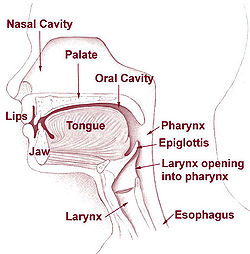
Oral symptoms of systemic diseases - what to suspect?


Examination of the oral cavity (mouth) may reveal findings pointing to an underlying systemic condition, and allow for early diagnosis and treatment.

Oral examination should include evaluation for:

- mucosal changes
- periodontal inflammation and bleeding
- condition of the teeth

Examples of lesions:

- Oral findings of anemia may include mucosal pallor, atrophic glossitis, and candidiasis.

- Oral ulceration may be found in patients with lupus erythematosus (SLE), pemphigus vulgaris, or Crohn disease. Oral manifestations of lupus erythematosus may include honeycomb plaques (silvery white, scarred plaques); raised keratotic plaques (verrucous lupus erythematosus); erythema, purpura, petechiae, and cheilitis.

Oral findings in patients with Crohn disease may include diffuse mucosal swelling, cobblestone mucosa, and localized mucogingivitis.

- Diffuse melanin pigmentation may be an early manifestation of Addison disease.

- Periodontal inflammation or bleeding should prompt investigation of conditions such as diabetes mellitus, human immunodeficiency virus (HIV) infection, thrombocytopenia, and leukemia.

- In patients with gastroesophageal reflux disease (GERD), bulimia, or anorexia, exposure of tooth enamel to acidic gastric contents may cause irreversible dental erosion. Severe erosion may require dental restoration. 

- In patients with pemphigus vulgaris, thrombocytopenia, or Crohn disease, oral changes may be the first sign of disease.

References:
Oral manifestations of systemic disease. Chi AC, Neville BW, Krayer JW, Gonsalves WC. Am Fam Physician. 2010 Dec 1;82(11):1381-8.
Image source: Head and neck. Wikipedia, public domain.

Wednesday, September 7, 2011

3 universites and federal agency join to improve oral health in Appalachian Kentucky

With money from the Appalachian Regional Commission and some of their own, three very different Kentucky universities will collaborate "to enhance sustainable, collaborative dental health education and care" in the state's eastern coalfield, where both are sorely lacking, they announced in a press release.

Morehead State University, the private University of Pikeville, and the University of Kentucky's College of Dentistry will design the Appalachian Rural Dental Educational Partnership Plan "to train more dentists to practice in rural areas and give them the tools necessary to set up thriving dental practices in Eastern Kentucky," the release said. The funding is $400,000 from ARC, $127,293 from UK, $82,035 from UPike and $47,873 from Morehead State.

“The majority of Eastern Kentuckians have struggled to sustain quality dental health, and one of the barriers to maintaining good dental health is poor access of quality dental care,” state Department for Local Government Commissioner Tony Wilder said. His agency handles ARC matters in Kentucky.

Said new UK President Eli Capilouto, a dentist by trade, “We know that if we can break a cycle of poor health, we can begin to break cycles of poverty. Cycles of despair can become legacies of hope. We also, increasingly, know that partnerships and greater collaboration are the best – and, perhaps, only – way to address major challenges.” He called the project a unique partnership among a federal agency, a governor and “the state’s flagship institution, Kentucky’s public institution dedicated to serving the people of Eastern Kentucky, and a critically important college with deep roots in Eastern Kentucky.” (Read more)

Tuesday, August 30, 2011

Oral health grant for 25,000 Appalachian children should be beginning of statewide effort, Al Smith says

In an op-ed piece, veteran Kentucky journalist Al Smith praised the recent announcement that 25,000 Eastern Kentucky children in 16 counties will receive preventive dental care this school year.

The project, funded by a $1 million grant from the Appalachian Regional Commission and $250,000 in state funds, will involve painting the teeth of those children with a special varnish that prevents tooth decay. As co-founder of the Institute for Rural Journalism and Community Issues and former federal cochair of the ARC, Smith has pushed long and hard for the improvement of oral health in Kentucky.

He spoke of the grant announcement in conjunction with discussions of the continued $900 million expansion of the University of Kentucky's Chandler Medical Center. "Obviously, the bricks and mortar go to serve extremely important life saving and health purposes, but the ARC pilot treatments of children's teeth should persuade all Kentuckians that this care is essential for every county," he wrote.

The project is called Healthy Smiles and was announced by Gov. Steve Beshear last week. "Over the course of 2011-2012 school year, two protective fluoride tooth varnish treatments and educational materials for healthy dental practices will be offered to children in the first through fifth grades at selected schools," Smith summarized.

Counties that will benefit from the project are Bell, Breathitt, Clay, Elliott, Floyd, Harlan, Jackson, Knott, Knox, Lee, Magoffin, Menifee, Owsley, Perry, Russell and Wolfe.

The Institute for Rural Journalism and Community Issues told Beshear about Kentucky's serious oral health deficits when he was running for governor four years ago, Smith said in his op-ed piece. That assessment showed "that half of Kentucky's children had decay in their baby teeth; and nearly half of children ages, 2, 3, and 4 had untreated dental problems," Smith wrote.

Cavities and loss of teeth create problems in later life, Smith asserted. He referred to statements made by Dr. Steve Davis, interim commissioner of public health, who said Kentuckians looking to join the military may be turned away if they have a mouthful of oral health problems: "The Navy, particularly, takes seriously the warning that a sailor stricken by a toothache in the depths of the sea could mishandle a task on a sub and send the craft plunging to the bottom." For a Word version of Smith's op-ed, click here.

Friday, August 26, 2011

Promising tooth varnish that prevents tooth decay will be applied to 25,000 students in 16 Kentucky Appalachian counties

Using an innovative fluoride technique, about 25,000 children in 16 Appalachian Kentucky counties will receive preventive dental care at school, under a $1.25 million pilot project announced by Gov. Steve Beshear yesterday. The counties are Bell, Breathitt, Clay, Elliott, Floyd, Harlan, Jackson, Knott, Knox, Lee, Magoffin, Menifee, Owsley, Perry, Russell and Wolfe.

In the Smiling Schools program, children in first to fifth grades "will have their teeth painted with two fluoride treatments over a four- to six-month period," reports Mike Wynn of The Courier-Journal. "Fluoride prevents and reverses the early affects of tooth decay and slows the progress of existing problems."
(Photo by James Mann, The Winchester Sun: Emily Havens of Clark County gets the treatment)

The University of Kentucky Dental School will examine the children before and after the tooth varnish treatments to assess the effectiveness of the program. Results of a project that Beshear said inspired the program are promising. About 3,000 children in Clark County had their teeth painted with the varnish and decay rates in a group of sixth graders fell dramatically. By the third year of the treatment, decay rates had fallen from 50 percent to 14.5 percent, one of the lowest rates in the state, said dentist Rankin Skinner, who spearheaded the project.

In 2001, Kentucky children had tooth decay in their baby teeth almost twice as often as the national average, Beshear said Thursday. More than 46 percent of children ages 2 to 4 went untreated that year. "The impact of these dental problems is much more than just an uneven smile or a poor national image, Beshear said. "Dental problems affect overall health and development — everything from nutritional choices to speech development to performance in school." (Read more)

Rachel Parsons of The Winchester Sun reports that the impetus for the project was a December 2007 New York Times story about Kentucky's poor dental health, particularly that of children. Prompted by his son who read the story, Will Hodgkin of the Clark County Community Foundation contacted Skinner, who had learned of the varnish while completing a study in Ecuador, where dentists had noted big decreases in decay rates after using the substance on teeth. The foundation funded treatment for all preschool and elementary students in 2008-09, and the program is now run by the Clark County Health Department. (Read more)

Wednesday, May 25, 2011

Tooth varnish saving smiles in Clark County

To protect about 3,000 Clark County children from tooth decay, local dentists and volunteers headed to schools to apply a fluoride varnish earlier this month. "We knew this material worked, although it was a new material, and there wasn't a lot of research on it at the time," dentist Rankin Skinner told The Winchester Sun's Rachel Parsons.

Skinner became concerned after learning that Kentucky children have more tooth decay than anywhere else in the country, a fact he gleaned from a Christmas Eve 2007 article in The New York Times. The same day, one of Skinner's friends read the article by Ian Urbina and called him to come up with a plan. "Skinner had recently completed a study on tooth decay in Ecuador, and the participating dentists had seen great improvement in oral health using a material new to the market at that time called amorphous calcium phosphate," Parsons reports.

Local dentists and the Clark County Community Foundation, of which Skinner's friend was a member, got together to get the varnish in Clark County. Twice a year, the dentists go to elementary and pre-schools to apply it on students' teeth, such as those of Emily Havens (above, Sun photo by James Mann). "We wanted to get the material on there as soon as the teeth came in," Skinner said. "There's just too much decay out there to be fixed. We knew we needed a preventative program."

Dentists found evidence of tooth decay in half the students the first year, but noted an 11 percent drop in decay in sixth-grade students after the first year. They track progress annually and conduct full exams on sixth-grade students to check for cavities. If any are found, parents are informed. Students are also given tooth brushes at the beginning of each school year. (Read more)

Pew gives Ky. a "C" for looking after dental health of children

Kentucky received a "C" grade from the Pew Children's Dental Campaign for meeting the dental health needs of children, the same grade it was given last year.

The Courier-Journal reports the state met or exceeded four of eight benchmarks: The majority of Kentuckians (99.4 percent) have fluoridated community water supplies; the state pays medical providers for early preventive dental health care; the state tracks data on children's dental health; and the percentage of Medicaid-enrolled children getting dental care (40.8 percent) exceeds the national standard of 38.1 percent.

The state fell short of Pew's standards when it came to offering sealant programs at high-risk schools; allowing hygienists to place sealants without a dentist's prior exam; and authorizing new primary-care dental providers. Kentucky also lost points because the rates it pays to dentists for providing Medicaid services is below the norm — only 52 percent, compared to the national average of 60.5 percent.

None of the 50 states assessed in the report met all eight benchmarks. Seven states received an A and 20 states received a B. "An A does not stand for 'all done,'" said Shelly Gehshan, director of the Pew Children's Dental Campaign. "It means a state has the key ingredients in place, but it still needs to monitor progress and explore new ways to improve children's access to dental health." Florida, Hawaii, Indiana, Montana and New Jersey received an F.

More than 20 states improved their grades over 2010. "These gains were achieved primarily by adopting policies to reimburse physicians for preventive dental services, expanding water fluoridation and increasing the percentage of Medicaid-enrolled children who receive care," the report reads. (Read more)

Friday, May 13, 2011

Cavities can be contagious, researchers have found

A new study has found that cavities are contagious. "Just as a cold virus can be passed from one person to the next," so can cavity-causing bacteria that cling to teeth and eat food particles lodged on and between them, The New York Times' Anahan O'Connor reports.

Infants and children are especially susceptible, with bacteria often transmitted to them by their caregivers. One prime example is when mothers test food to confirm it's not too hot for a child. Couples can also spread the bacteria between each other. "In one instance, a patient in her 40s who had never had a cavity suddenly developed two cavities and was starting to get some gum disease," said Dr. Margaret Mitchell, a cosmetic dentist in Chicago. The woman realized she'd been dating a man who hadn't been to the dentist in nearly 20 years and had gum disease.

Daily flossing, frequent brushing and chewing sugar-free gum, which washes away plaque and bacteria, can help. (Read more)

Summit and local groups focus attention on oral health, a big problem for Kentucky and one that can hurt overall health

By Sarah Vos and Al Cross
Kentucky Health News

When it comes to dental health, Kentucky is down in the mouth. It ranks among the worst in the nation, with high numbers of working adults who don’t have all their teeth, and a high percentage of children with untreated tooth decay.

These and other unflattering facts about the state’s dental health, and ways to change them, were part of frank discussions at the Kentucky Oral Health Summit in Lexington on Wednesday, May 11.

Part of the problem is that Kentucky doesn’t have enough dentists to serve its population, especially in rural areas. (New York Times photo by Stephen Crowley: A student awaits treatment at First Kids Dental in Barbourville.)

“We don’t have enough dentists to fight basic disease,” said Julie McKee, dental director for the state Department of Public Health.

For those who rely on Medicaid, including more than 460,000 Kentucky children, dentists are even harder to find. Only 25 percent of dentists in the state regularly take Medicaid patients, McKee said.

Another part of the problem is a basic lack of understanding about oral health and its role in overall health, several participants said.

Research has shown that gum disease and cavities are closely related to other health issues and that a healthy mouth is key to a healthy body. Diabetes, heart disease, and premature birth are all associated with poor oral health. In children, poor oral health can affect school performance.

“Healthy teeth don’t hurt,” McKee said. “Sick teeth hurt. People with sick teeth can’t learn.”

In some parts of Kentucky, local and regional oral health coalitions are working to raise awareness about the problem and encourage people to get dental care. They face many obstacles.

A large number of Kentuckians don’t have dental insurance, and dental bills paid with private funds can be expensive. Inside the dental profession, there are turf battles between dentists, dental assistants and dental hygenists.

The Oral Health Summit attracted dozens of representatives from county and school oral-health programs and public-health clinics, and some dentists. However, no one from the Kentucky Dental Association, which represents practicing dentists, attended the conference.

Mike Porter, the association's director, said that the group's leaders could not attend because they were all in Washington at a national leadership conference. Porter said that the KDA was "totally committed" to improving the state's oral health. "It was just a logistics issue," he said.

To increase the number of kids getting preventive care, mobile units visit schools to examine and treat children during the school day. But these efforts are sometimes opposed by dentists who worry that the competition will hurt their businesses.

“The dentists are concerned these mobile units are going to come in and take their clientele,” Teresa Morehead, a Lawrence County school nurse, said in an interview. “Right now, they’re not anybody’s clientele.”

School-based programs are also hindered by the fact that many parents don’t understand the importance of baby teeth to long-term oral health. Parents think that because baby teeth fall out, it doesn’t matter if a child gets a cavity, McKee said, but baby teeth hold spaces for the adult teeth, allow children to eat a variety of foods, are used for speech, and affect children’s self-esteem.

“They don’t understand the importance of needing that follow-up,” said Felicia Elliott, a nurse and health specialist for the Audubon Area Head Start in Western Kentucky. “They don’t understand how it will affect their future life.”

But these workers on the front lines of children’s health often have trouble finding a dentist who will take new Medicaid patients, or ones who will see patients who can’t afford to pay.

Stacy Trowbridge, who runs the Barren River District Health Department’s dental services, said she often sees children with severe problems who need more care than she can give in the mobile clinic. One boy, for example, had 17 cavities and was in the nurses’ office every day because of tooth pain. But Trowbridge couldn’t find a dentist who would take him, and his parents couldn’t afford to pay for the care on their own.

“We don’t know where to send them,” Trowbridge said.

Another barrier to improving oral health in Kentucky is that many nurses and doctors have not been taught to look inside patients’ mouths, visually examine their teeth and identify problems.

“If you’re not trained, you’re not comfortable,” McKee said. She that is part of the “headless horseman of health care,” which also includes the limited extent of insurance for dental and mental health services and eye care.

The conference attendees, who were working on the state’s strategic plan for oral health, identified several things Kentucky could do to improve its oral health. These included expanding the services dental hygenists can provide, educating communities and legislators about the importance of oral health, and getting high-profile figures such as athletes to promote good oral health.

The goal, McKee said, is to change attitudes and help Kentucky’s citizens, businesses, and policy makers see the value of oral health and realize that their teeth, baby or adult, are worth keeping healthy.

“Oral health,” she said, “is everybody’s business.”

Wednesday, March 16, 2011

Oropharyngeal carcinoma increased by 22% in 6 years, related to rise in HPV

Head and neck cancer is the sixth most common cancer. Despite an overall marginal decline in the incidence of most head and neck cancers in recent years, the incidence of oropharyngeal squamous cell carcinoma has increased greatly, especially in the developed world.

In the United States, the incidence of oropharyngeal squamous cell carcinoma increased by 22% between 1999 and 2006.

The increase in incidence of oropharyngeal squamous cell carcinoma seems to be accounted for by a rise in human papillomavirus (HPV) related oropharyngeal carcinoma.

References:

Oropharyngeal carcinoma related to human papillomavirus. BMJ 2010; 340:c1439 doi: 10.1136/bmj.c1439 (Published 25 March 2010).
Image source: HPV types and associated diseases, Wikipedia, public domain.

Twitter comments:

@travispew (Travis Pew): So get your kids the HPV shot.

Friday, February 18, 2011

People who brush their teeth less than twice a day have a 70% increased risk of heart disease

A Scottish national population based survey examined if self reported toothbrushing behaviour is associated with cardiovascular disease and markers of inflammation (C reactive protein) and coagulation (fibrinogen).

Participants were 12,000 men and women, mean age 50. Oral hygiene was assessed from self reported frequency of toothbrushing. There were a total of 555 cardiovascular disease events over an average of 8 years of follow-up, of which 170 were fatal.

Participants who reported poor oral hygiene (never/rarely brushed their teeth) had an increased risk of a cardiovascular disease event (hazard ratio 1.7).

They also had increased concentrations of both C reactive protein and fibrinogen.

Poor oral hygiene is associated with higher levels of risk of cardiovascular disease and low grade inflammation, though the causal nature of the association is yet to be determined.

References:
Toothbrushing, inflammation, and risk of cardiovascular disease: results from Scottish Health Survey. BMJ 2010;340:c2451.
Image source: Cross-section of a tooth with visible gums, or gingiva, Wikipedia, GNU Free Documentation License.